
Men's winter sweatshirts on clearance


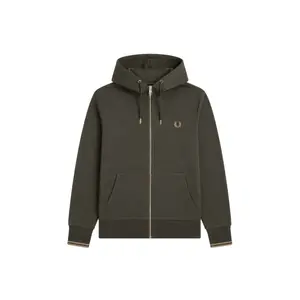
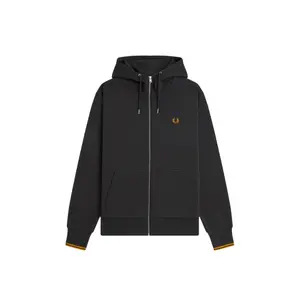


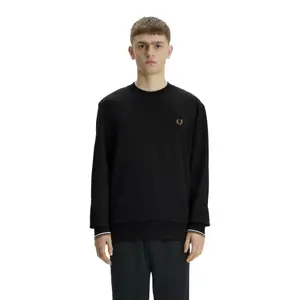
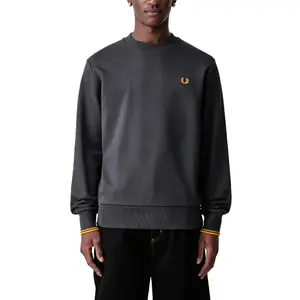

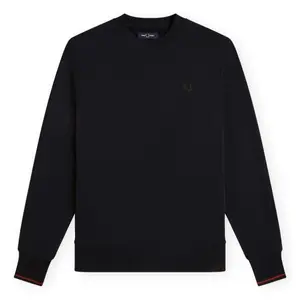
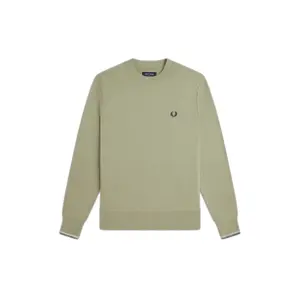
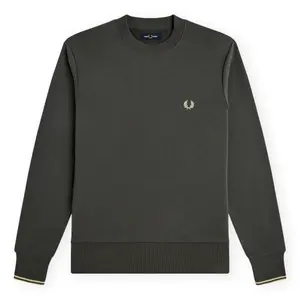
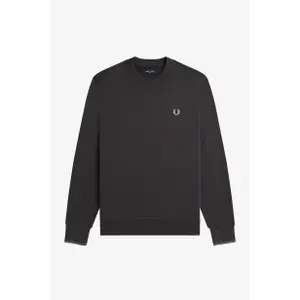
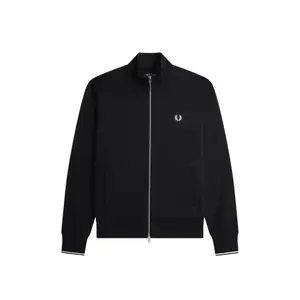
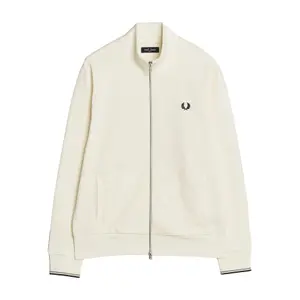
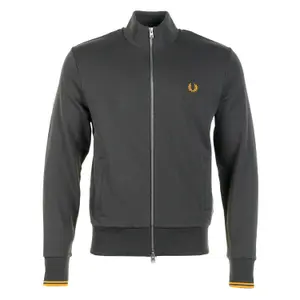


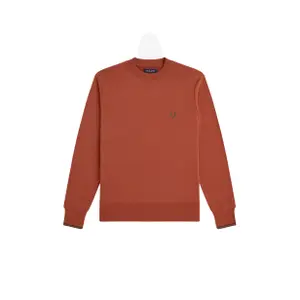
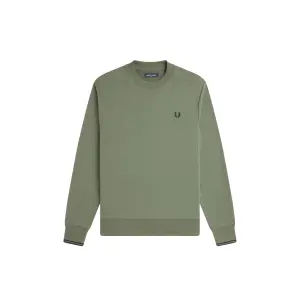
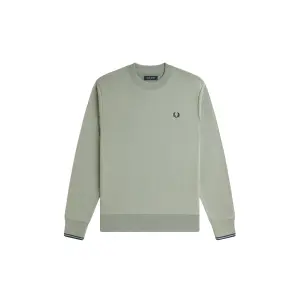


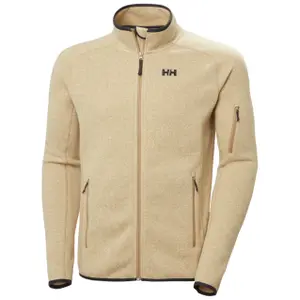


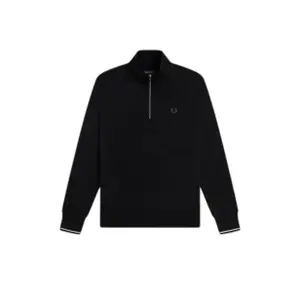
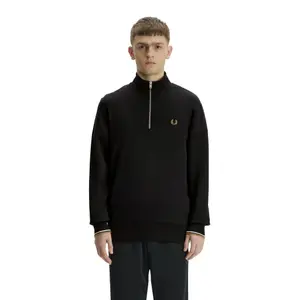
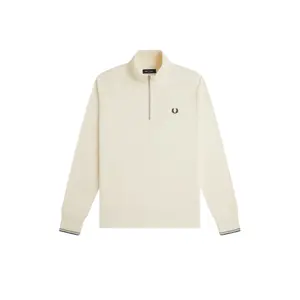
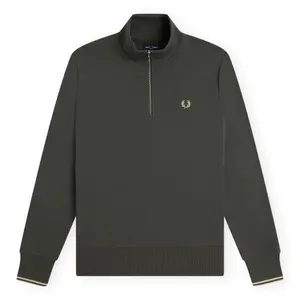
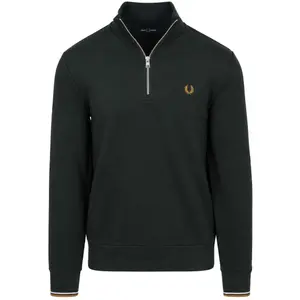
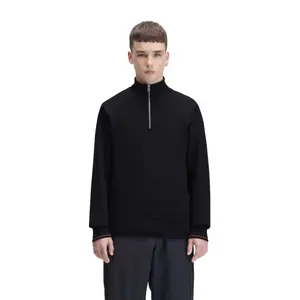
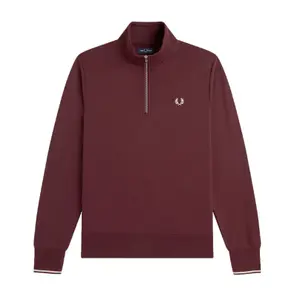
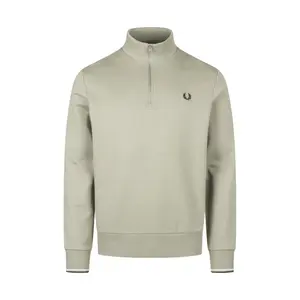
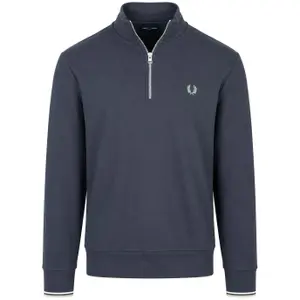
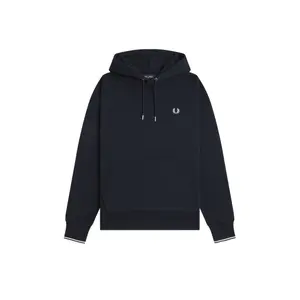
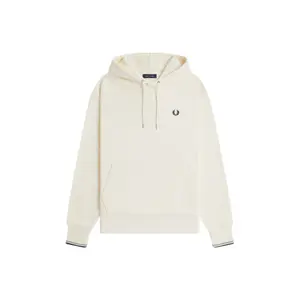
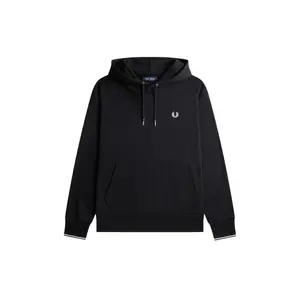


The clearance men's sweats includes end-of-line hooded, zipped or crew neck styles: half-zip Fred Perry, Nike Sportswear Club Fleece with brushed fleece, adidas Essentials with three stripes and Z.N.E. zipped, Helly Hansen and Faguo in cotton, loose fits Colorful Standard and Payper, organic cotton Armedangels. Thick winter sweats, chosen for their durability after washing.
The warmth of winter, at clearance prices.
Brushed fleece or loopback: where does the warmth of a sweatshirt come from
The warmth of a sweatshirt primarily depends on the back of its fabric. Brushed fleece, brushed on the inside to create a soft layer of fibers, traps air and provides that cosy feel found in the Nike Sportswear Club Fleece. The loopback, or unbrushed fleece, keeps its small visible loops: more breathable, it suits mild days and heated interiors. The weight, measured in grams per square metre, indicates the thickness: above three hundred grams, the sweatshirt becomes a real winter piece, more structured and less prone to deformation. A blend of cotton and polyester dries faster and holds its shape better than pure cotton, which is softer and more breathable.
The other end of line items
The winter men's clearance also includes:
All end of line items are gathered on the winter men's page.
Hood, full zip or half zip: three sweatshirts, three uses
The hooded sweatshirt was born in the 1930s when Champion equipped the University of Michigan football players to keep warm on the sidelines; its hood and kangaroo pocket make it the most protective of the three. The full zip, like on the adidas Z.N.E. or the Kariban with contrasting hood, opens in one motion and adjusts to the temperature. The half zip from Fred Perry, featuring a high collar to protect the neck, goes on over the head and maintains a neater look. Finally, the round neck remains the original shape of the sweatshirt, conceived in the 1920s in Alabama to replace wool jerseys that irritated players' skin.
Fred Perry, Colorful Standard, Armedangels: distinct brands
Founded in 1952 by tennis champion Fred Perry, the laurel-crowned brand offers sweatshirts Fred Perry with minimalist designs, in round neck or half zip, where the embroidered logo is enough. The Danish brand Colorful Standard focuses on organic cotton made in Portugal and a range of rare shades, from lavender to dusty plum, in classic or oversized cuts. Armedangels, born in Cologne in 2007, also works with organic cotton, as seen on the Alizaa. Faguo, a French brand founded in 2009, and Helly Hansen, Norwegian since 1877, offer thick cotton hooded sweatshirts, while the model from the Mercedes-AMG Petronas team is aimed at Formula 1 fans. As for the adidas Z.N.E., which stands for Zero Negative Energy, it is designed to help athletes focus before performance.
Cuffs, seams and hood: the details of a lasting sweatshirt
A sweatshirt is judged by its finishes. The cuffs at the wrists and waist, knitted with a hint of elastane, should return to shape after stretching: they keep the warmth inside. The double-stitched seams at the shoulders and armholes prevent the fabric from twisting in the wash. On a hooded sweatshirt, a lined hood, metal eyelets, and a flat cord signal a well-made model, and a kangaroo pocket stitched across its width holds up better against hands slipping inside. On zip-up models, a protective flap at the top of the zipper prevents metal from contacting the chin and neck.
Frequently asked questions
How do I choose the size of a men's sweatshirt?
The shoulder seam should fall at the curve of the shoulder, and the cuffs should stop at the wrist and hips. For an oversized fit, as seen with Colorful Standard, you can stick to your usual size: the looseness is already accounted for in the pattern.
How do I wash a sweatshirt to reduce pilling?
Turn it inside out, zip it up, and wash it at thirty degrees with similar fabrics, avoiding towels that can cause friction. Flat drying rather than tumble drying helps preserve the brushed fleece and the flexibility of the cuffs.
How do I fold a hooded sweatshirt for storage?
Lay it flat, face down on the table, fold the sleeves towards the centre of the back, then tuck the hood over the whole thing. Then simply fold it in half or in thirds vertically to create a neat rectangle, free from creases.
How do you write sweatshirt in French?
Dictionaries accept sweat-shirt with a hyphen, sweatshirt as one word, as well as the abbreviation sweat. The word comes from the English sweat, which means sweat: it was originally a training top designed to absorb perspiration.
Is a sweatshirt made from organic cotton equally durable?
Yes, the fibre is the same: only the cultivation changes, with no synthetic pesticides or chemical fertilizers. Its lifespan mainly depends on the weight and quality of the knitting, as seen in Armedangels or Colorful Standard models.






