
Riding equipment
This section brings together everything about Equestrianism: rider’s attire and protection, boots and shoes, equipment for young riders, gear for the horse, the stable and the paddock. From beginners to experienced riders, you will find what you need to ride safely and take care of your horse.
Equestrianism is a unique sport, where you equip yourself for both you and your horse. Here’s how to navigate it, starting with safety.
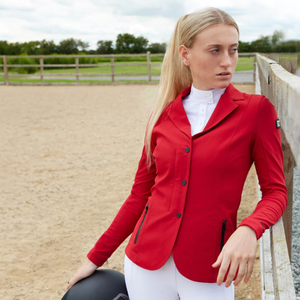
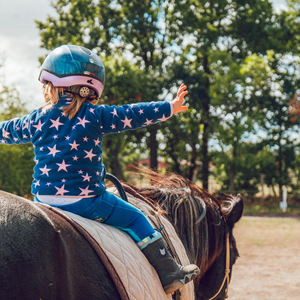
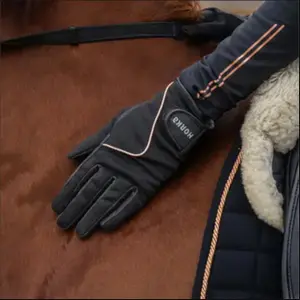
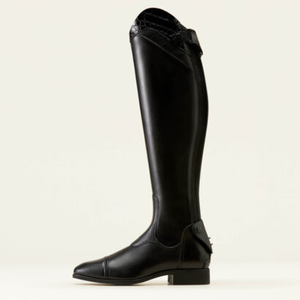
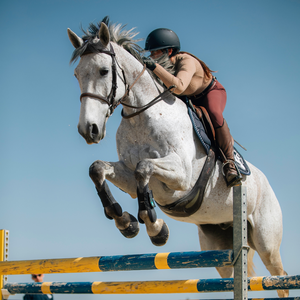

The rider's safety comes first
Riding a horse can lead to serious falls, and protecting the rider is the primary expense to consider. The essential item is the helmet, which must be certified according to the European standard EN 1384 or the VG1 reference. These are the certifications that competition regulations recognize. A helmet must fit perfectly, with no movement when shaking the head, and its chin strap must remain attached at all times when in the saddle.
The protective vest complements the helmet by protecting the back and torso during a fall. It is certified according to the European standard EN 13158, which defines several levels of protection. It should fit snugly without modification, and it must never be attached to the saddle. Airbag vests, which inflate using a gas cartridge when the rider is ejected, provide additional protection; replacement cartridges are available in the section.
A helmet that has taken a fall must be replaced, even if there are no visible damages: its internal structure may have been compromised. All the clothing and protective gear can be found in the rider category.
Boots and shoes
Equestrian shoes are not just a fashion choice but a safety issue. They must have a defined heel to prevent the foot from sliding through the stirrup, and a smooth sole to allow easy foot release in case of a fall. A standard sports shoe with a treaded sole and no heel should be avoided: it may get stuck in the stirrup.
Riders can choose between tall boots, which protect the leg from rubbing against the stirrups, and short boots with mini-chaps, which are more practical for everyday use and at the stable. Western boots follow a different tradition, suited for work riding. Brands like Ariat or Stiefel are included in the available selection.
Young riders
The children category includes equipment for young riders, with the same safety requirements as for adults. The helmet and vest must fit perfectly: equipment that is too large, bought to last, shifts during a fall and does not provide proper protection. Growth necessitates regular checks of sizes and renewing equipment when it becomes too tight.
Caring for your horse
Horse riding stands out from almost all other sports because you also equip yourself for an animal. The horse category covers everything related to its protection and comfort. Leg wraps and splint boots protect the horse's legs from injuries it may inflict on itself while moving, especially at jumps.
Blankets are chosen according to the season and use: stable blanket, waterproof blanket for the paddock, or fly sheet in summer, which protects the horse from insects without making it sweat. Insect repellent products complement this protection during the warm months. Brands like Horseware, LeMieux, or Horze are included in the available selection.
The stable and paddock
A horse's life is not just about riding sessions, and the stable and paddock category brings together everything that makes its daily life easier. Hay nets and bags slow down food intake, which better respects the horse's natural digestive rhythm, designed for grazing over long periods in small amounts. Grooming equipment, brushes, hoof picks, and hoof care products help to maintain the horse and spot any potential injuries.
For dog owners who accompany their horse to the paddock or on rides, a dog category also offers suitable accessories.
Accessories, new arrivals, and offers
Accessories complete the gear of both the rider and the stable. The new arrivals showcase the latest items, and the promotions gather discounted products. The selection shipped within 24h includes what is available immediately.
Major sales events follow throughout the year: Black Friday, the end-of-year holidays, then the winter sales and French Days in spring. The good deals are available year-round.
Frequently asked questions
What standard must a riding helmet comply with?
A helmet must be certified according to the European standard EN 1384 or the VG1 reference, recognized by competition regulations. It must fit perfectly and not move when shaking the head.
What equipment should I buy to start riding?
The helmet is the first expense, followed by short boots and mini-chaps or tall boots, riding trousers, and gloves. A protective vest is recommended for jumping and for young riders.
When should I replace a riding helmet?
After a fall with a blow to the head, the helmet should be replaced, even without visible damage, as its shell may have absorbed the impact. Manufacturers also advise changing it after several years of use.
How do I maintain leather tack?
Clean the saddle and bridle with glycerine soap after sessions, then condition the leather with a balm or oil to keep it supple. Store them in a dry place to prevent mould.
What equipment should I prepare for the box and the paddock?
Prepare buckets, a feeder, and a hay rack for the box, a fork and wheelbarrow for cleaning, and a drinker or trough for the paddock. A suitable electric fence secures the paddock.






