
Children's jackets and coats on sale


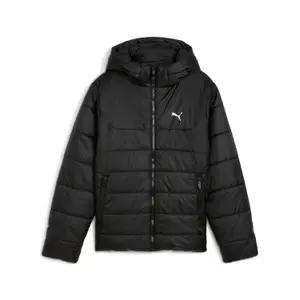


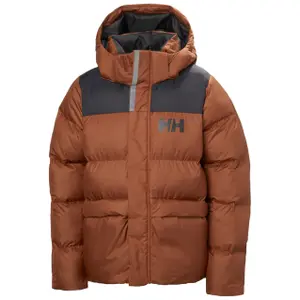
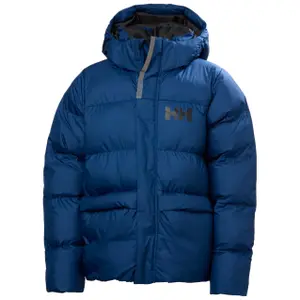


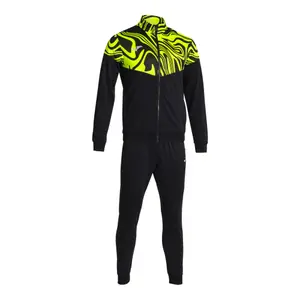


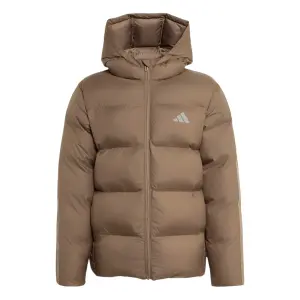

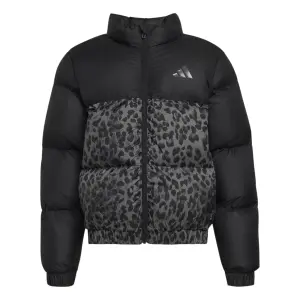
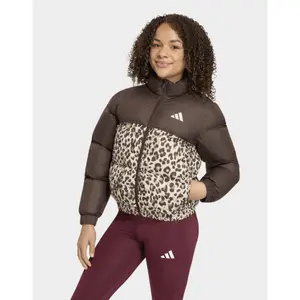


The sales on children's jackets and coats include raincoats from the Finnish brand Reima, such as the Lampi, Vaanila or Muurame, the Didriksons Sylvin parka with a removable hood, the Zigzag Lusano puffer jacket and waterproofs from Regatta, Napapijri, Dare 2B, Mikk-Line, and Weather Report. Coats designed for playing outside, walking to school and accommodating growth.
Keep the kids warm and dry, at sale prices.
Down jacket, parka or raincoat: what to choose for a child
For a child, the coat needs to keep up with the day: the journey to school, playtime, trips to the park. The down jacket, like the Zigzag Lusano, offers plenty of warmth for a lightweight feel and can be packed away in a bag when the sun comes out. The parka, longer and insulated, covers the bottom and the upper thighs, which is a real plus for sitting on a damp bench or squatting down to play. The raincoat, lastly, blocks wind and water; worn over a warm layer, it becomes a complete winter outfit in a mild and rainy climate, like on the Atlantic coast.
The rest of the wardrobe
Children's sale clothing also includes:
All the clothes are gathered on the children's clothing page.
Reima and Didriksons, the Nordic school of children's coats
Founded in 1944 in Kankaanpää, Finland, Reima originally made clothing from military surplus before focusing on outdoor clothing for children. Their raincoats like Lampi, Vaanila, which is cut long, or Muurame are designed for kids who climb, slide, and play outside in all kinds of weather. Didriksons, inheritors of the oiled clothing worn by Swedish fishermen, offers the Sylvin parka, waterproof and windproof, with a removable hood trimmed with faux fur, thumbhole cuffs and reflective details; its water column reaches fifteen thousand millimetres.
A suitable size without sacrificing warmth
Children's sizes correspond to height in centimetres: a size one hundred and ten coat suits a child about one meter ten tall. You can take a size up to allow for growth, but never two sizes: an oversized coat lets in cold air at the bottom and through the sleeves, hindering a child’s ability to run. Adjustments at the waist, elasticated cuffs, and an adjustable hood can compensate for a slight excess in length. For little ones, a large zipper and a protected zip under the chin allow them to dress independently without pinching, an important step in nursery school.
Staying visible and dry on the way to school
In winter, a good portion of school journeys happens at dusk. The reflective elements placed on the sleeves, back, and hood reflect car headlights and make the child visible from afar, especially as they are located on moving parts. Bright colours add extra daytime visibility. When it rains, a well-fitted hood, with a soft peak, keeps the face dry without obstructing side views, essential for crossing streets. Lastly, a coat that extends below the waist prevents water from running down to the inner layers when the child sits down.
Frequently asked questions
Can a child's down jacket be left in the car seat?
It's better to take it off: a thick coat compresses in the event of a crash and creates slack in the harness, which no longer holds the child properly. They should be secured in lightweight clothing and then the down jacket can be placed over the harness like a blanket.
How can you tell if a child's coat is truly waterproof?
You look at the water column, expressed in millimetres: starting at ten thousand, the fabric withstands steady rain. Taped seams and a flap-covered zip add to the protection.
How do you wash a waterproof child's coat?
Fasten zips and Velcro, turn it inside out and wash it at thirty degrees with a gentle detergent, avoiding fabric softener which can clog the membrane's pores. A tumble dryer on a low setting, if the label allows, reactivates the water-repellent treatment.
What layer should be worn under a raincoat in winter?
A breathable base layer followed by a warm layer, made of wool or synthetic fibres, turns a raincoat into winterwear. The child can remove the intermediate layer in class while keeping their rain protection for outside play.
How do you dry a soaked child's coat?
Hang it open on a wide hanger, with the hood unfolded, in a ventilated room rather than on a radiator, as direct heat can damage the membrane. Empty the pockets and turn the sleeves inside out if the lining has gotten wet.






