
Outdoor luggage on sale


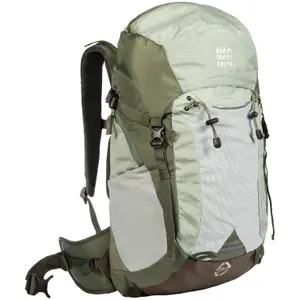
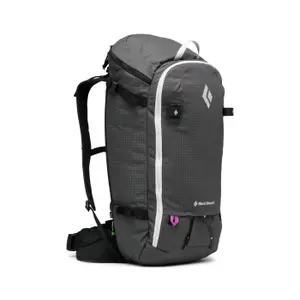
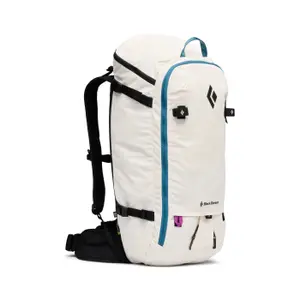


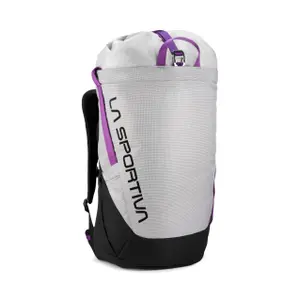
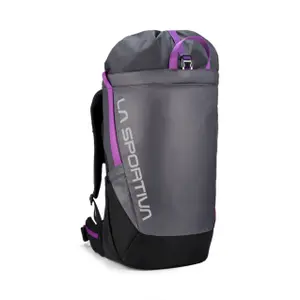


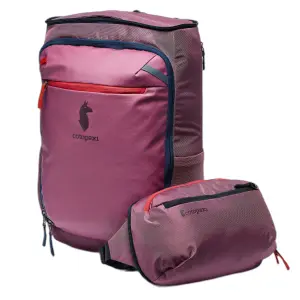


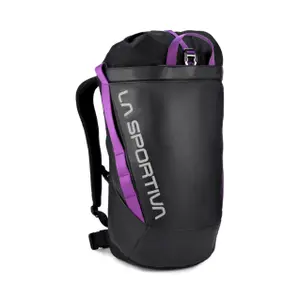
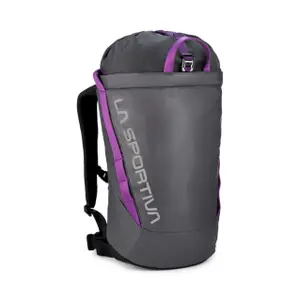
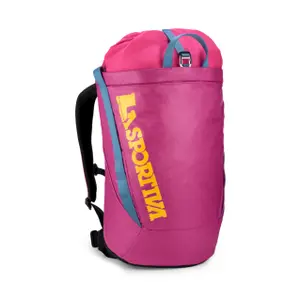

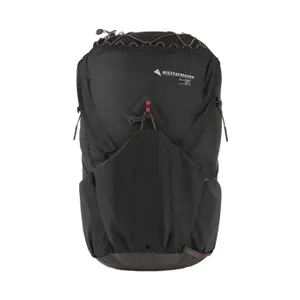

The Outdoor Luggage sales bring together bags for hikers and travelers: day packs or those for several days of walking, waterproof bags for kayaking and paddle, travel and transport bags. This page helps you choose the size, carrying style and material based on the planned outing, from a small countryside path to a trek in the mountains.
The right content for the bag, at a discounted price.
What volume of bag for the duration of the outing
The volume, expressed in litres, is chosen based on the duration of the outing and the season. For a day hike, a bag of twenty to thirty litres holds water, a picnic, a jacket, and a warm layer. For two or three days in a shelter, we move to thirty-five or forty-five litres. The trek with autonomy, including a tent, sleeping bag, and stove, requires fifty litres or more. In winter, thicker clothing takes up more space: we add about ten litres. A bag that is too large encourages carrying unnecessary items, while a well-packed bag sits better on the back.
Other outdoor sales
The outdoor sales also include:
All outdoor sales are gathered on the outdoor page.
Back length, belt, and ventilation: carrying
A comfortable bag is, first of all, a bag adjusted to one's body shape. The back length, measured from the prominent vertebra at the base of the neck to the top of the hips, determines the size of the bag or the adjustment of the back panel. The waist belt, tightened around the pelvic bones, transfers the majority of the load to the legs and relieves the shoulders. The load lifters, these straps located at the top of the shoulder straps, pull the top of the bag against the back. Finally, a ventilated back, with taut mesh, allows air circulation and limits sweating in summer, at the cost of a bag that is slightly less stable.
Bag waterproof and rain cover: protect the contents
Few backpacks are truly waterproof: their seams and closures let water in during prolonged rain. The rain cover, often stored in a pocket at the bottom of the bag, covers everything in a matter of seconds. For water sports, the bag waterproof with a roll-top closure, made of PVC or coated nylon, closes by rolling the opening three times on itself before securing the buckle: it keeps clothes, phones, and documents dry during outings in kayaks or on paddle boards. Inside a standard bag, simple waterproof pouches separate dry items from wet ones.
Maintaining a bag for hiking after the outing
A well-maintained bag lasts for many years. After each outing, it should be emptied completely, shaken to remove sand and crumbs, then left to dry open in the shade to prevent mould. Stains can be treated with a sponge, warm water, and mild soap; using a washing machine can damage the foam on the back and the inner coating. Stuck zippers regain their flexibility with a bit of dry soap or wax. A water reservoir should be rinsed after use and dried open; if it cannot dry completely, storing it in the freezer limits bacterial growth.
Frequently asked questions
What bag for a child on a hike?
A bag of ten to fifteen litres is enough for a water bottle, a snack, and a windbreaker. The weight carried by the child should not exceed about one-tenth of their own weight, and a chest strap prevents the shoulder straps from slipping.
Can you take a hiking bag in the airplane cabin?
Yes, if its dimensions comply with the airline's requirements, often around fifty-five centimetres high for cabin luggage. A bag of thirty to forty litres usually fits; empty the external pockets and check your poles and knife in the hold.
Backpack or travel bag for an outdoor stay?
The backpack frees up your hands and can be worn on trails as well as on train platforms, while the travel bag, when fully opened, makes it easier to store bulky equipment in a trunk. Many outdoor travel bags add shoulder straps to combine the two.
What is a compatible bag for a water reservoir?
It's a bag with an inner pocket against the back and an opening for the hose to go to the strap. You can drink in small sips while walking, without stopping or taking off the bag, which helps with regular hydration.
How to pack your hiking bag?
Place heavy items in the centre, close to your back and at shoulder blade height, and lighter items at the bottom and on the sides. Keep your jacket, map, and snacks in the top pockets for easy access without unpacking everything.






