
Football boots on sale
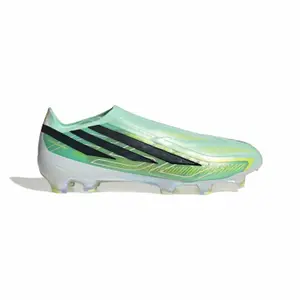
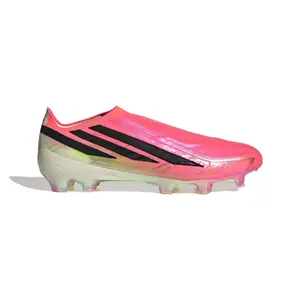
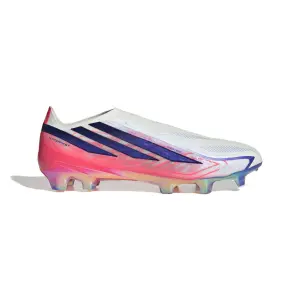
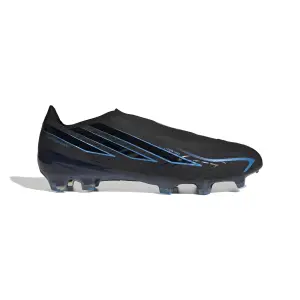
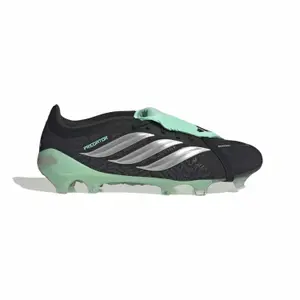
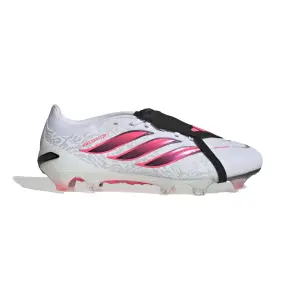
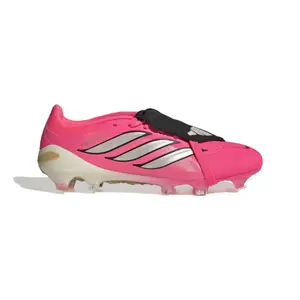
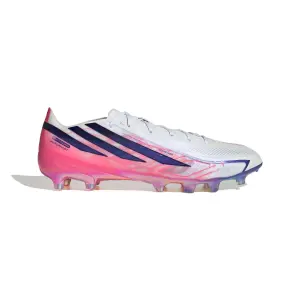
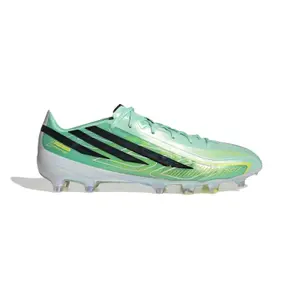
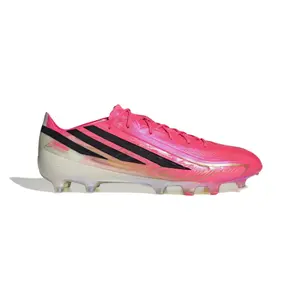
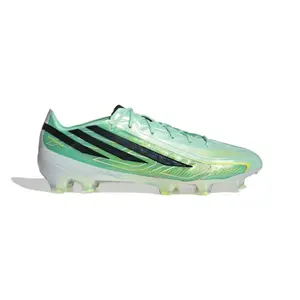
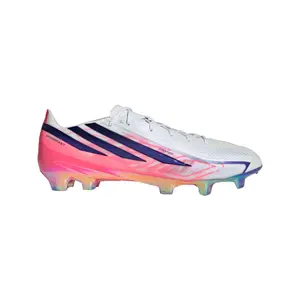
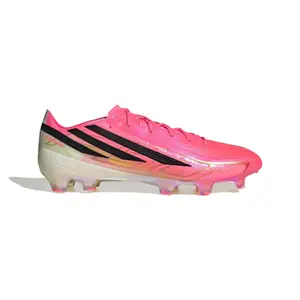
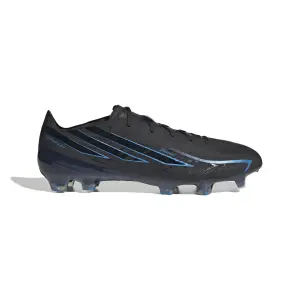
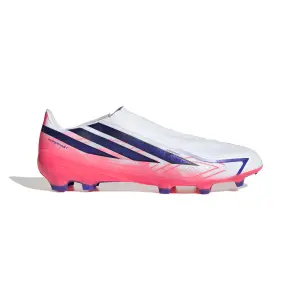
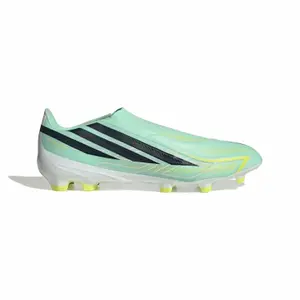
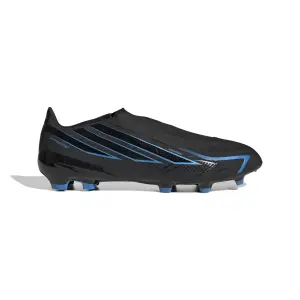
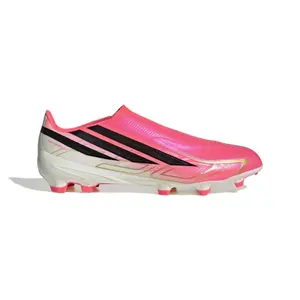
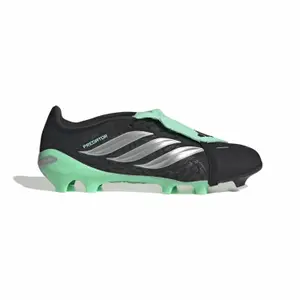
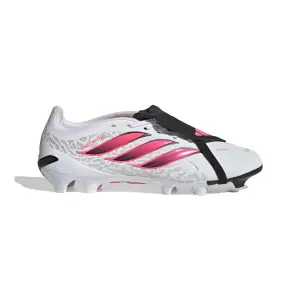
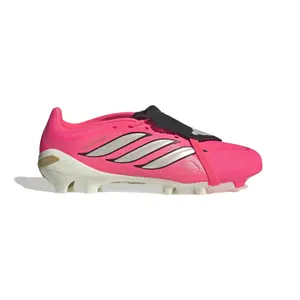
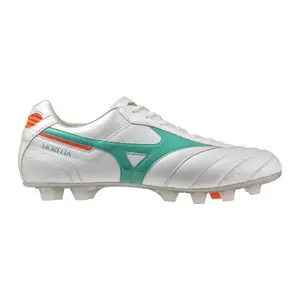
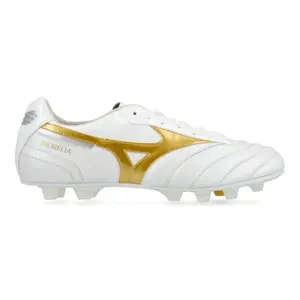
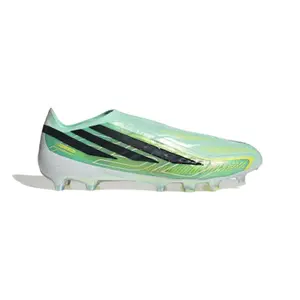
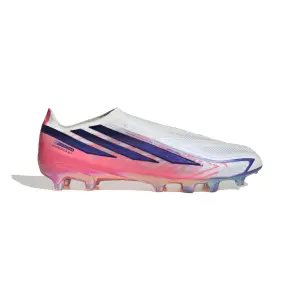
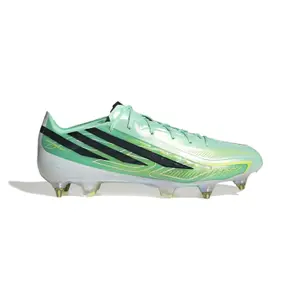
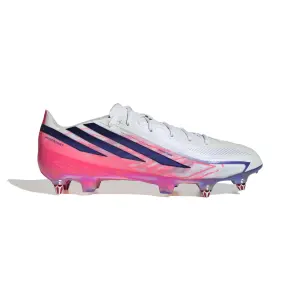
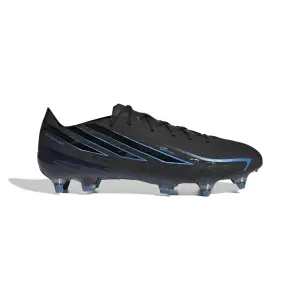
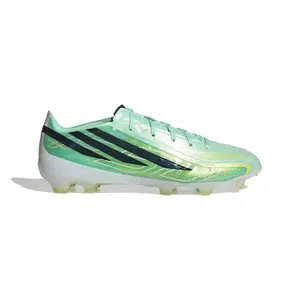
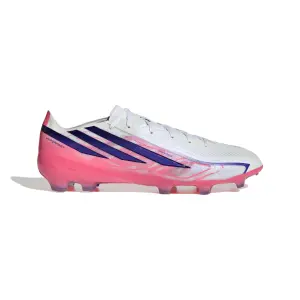
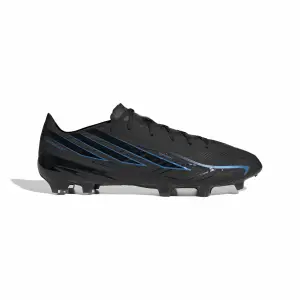
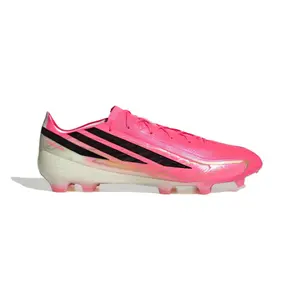
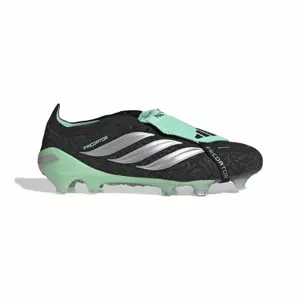
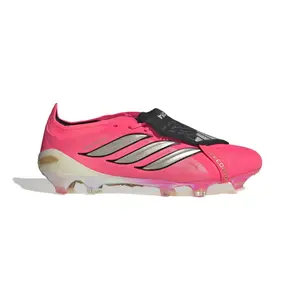
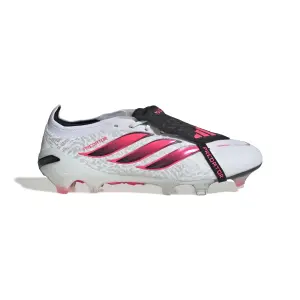
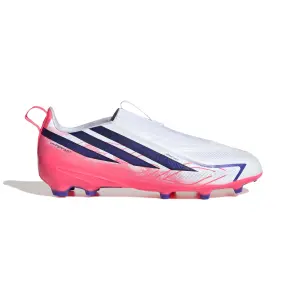
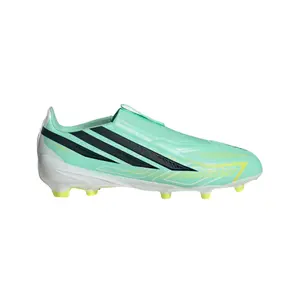
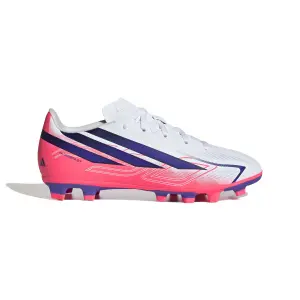
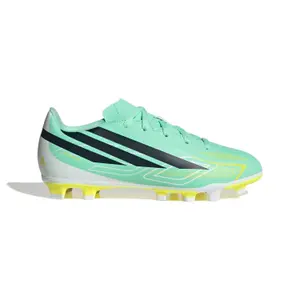
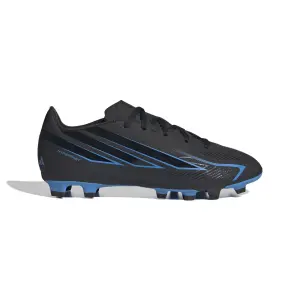
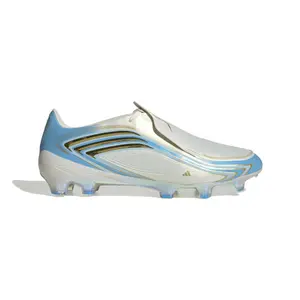


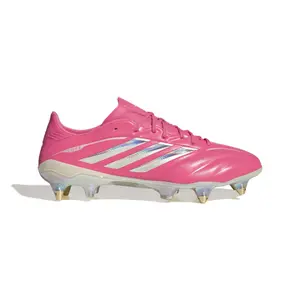
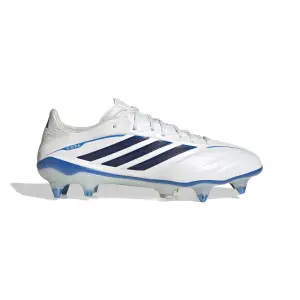
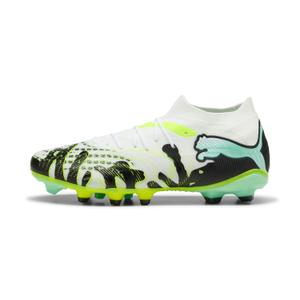
The Football Boots sale features adidas Predator and F50, Nike Mercurial and Mizuno Morelia, from Elite level to Club level, available in adult and child sizes, with or without laces. Soles for natural grass, synthetic, hard ground or indoor: every player will find the right pair for their position and pitch.
The perfect pair for the comeback, at a discounted price.
FG, AG, TF, indoor: what sole for which surface
The sole is first chosen according to the playing surface. The FG sole, for firm ground, has molded studs suitable for dry or normal natural grass. The AG sole, for artificial grass, features short, round studs for synthetic turf, where long studs would grip too much and strain the knees. The FG/MG versions, multi-ground, transition from one surface to another. The TF sole, covered with small rubber studs, is suitable for stabilized and older synthetic surfaces, while the flat sole of indoor models, like the F50 Club Indoor, grips the hardwood.
Other football sales
Football sales also include:
- Shirts, clubs and teams.
- Junior, shoes and kids' outfits.
- Goalkeeper, gloves and kits.
- Teamwear, team clothing.
- Equipment, balls, shin guards and bags.
All football sales are gathered on the football page.
Predator: the shoe of control and striking
The Predator by adidas was born in 1994 from an idea by former Australian footballer Craig Johnston: to add rubber elements on the upper to grip the ball and give a spin to strikes. Its current versions maintain a textured surface on the front of the foot, designed for passes and wrapped shots from midfielders. Models marked FT, for fold-over tongue, feature the folded tongue over the laces, which has become the historical signature of the range. The Predator comes in levels from Elite to League, and is also available without laces.
F50 and Mercurial: the shoes of speed
The F50, launched by adidas in 2004 and relaunched twenty years later, focuses on a very thin upper and reduced weight for fast players; the Hyperfast variant follows this principle, and the Messi models add the attacker’s colors. At Nike, the Mercurial appeared in 1998, designed for the speed of Brazilian Ronaldo, with the Superfly being the sock collar version, which is very fitted. In contrast, the Mizuno Morelia, launched in 1985, prioritizes soft leather that contours to the foot and provides a natural touch on the ball.
Shoe size and comfort: successfully buying boots
A football shoe should fit snugly without squeezing: about half a centimeter should be kept in front of the big toe, less than in city shoes, to maintain the sensation of the ball. It should ideally be tried on at the end of the day, with match socks. Synthetic uppers stretch little, unlike leather, which adapts to the foot after a few sessions. For children, models with velcro, like the F50 Club Vel, can be put on without help. After a match in the rain, stuff the shoe with newspaper and let it dry away from the radiator.
Frequently asked questions
Why are some football shoes pink?
Brands regularly launch bright colors, pink, yellow, or neon orange, to make their models visible on the field and on screen. The color has no effect on performance: it simply depends on the color chosen for the range.
What shoe size for a six-year-old child?
The shoe size depends more on the length of the foot than on age: measure the foot in centimeters, heel against a wall, and add a small margin. At six years old, many children wear between size twenty-seven and thirty, but only the measurement counts.
What football shoe for a defender?
A defender prioritizes support and durability, with a strong upper and a stable sole for duels and changes of support. A Predator at Pro or League level suits them better than a very lightweight speed model.
How long does a pair of boots last?
A pair used two or three times a week generally lasts a season, sometimes more. Abrasive synthetic surfaces wear down studs more quickly, while a sole used on its intended surface wears out more evenly.
Should you choose a sock collar football shoe?
The sock collar, like on the Mercurial Superfly, wraps around the ankle and enhances the feel of the shoe without providing real joint support. It's a matter of preference: some players find it difficult to put on.






