
Electric fence for the meadow
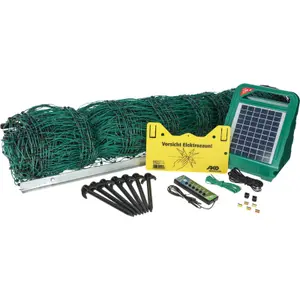
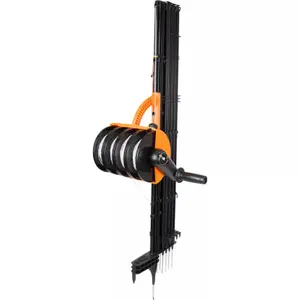
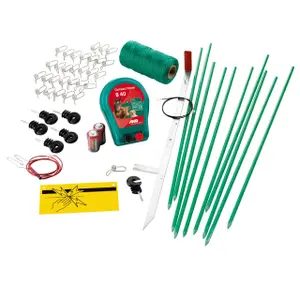
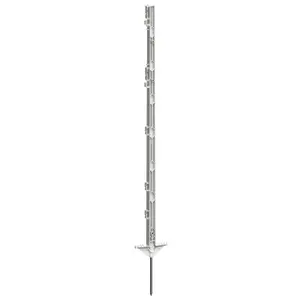
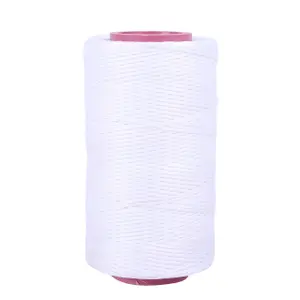
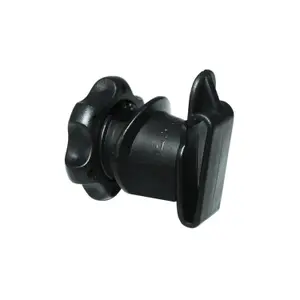
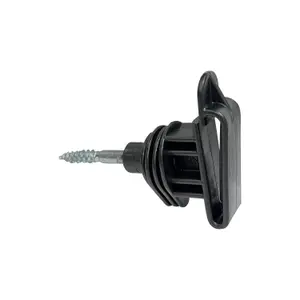
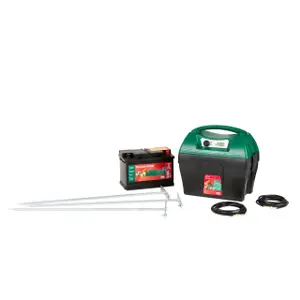
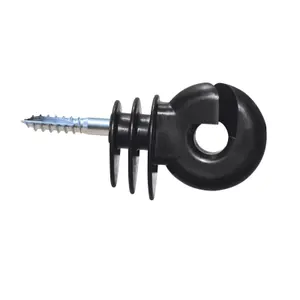
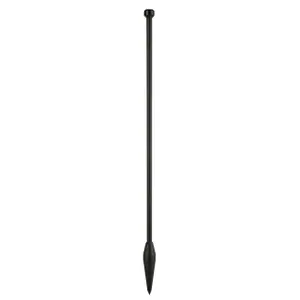
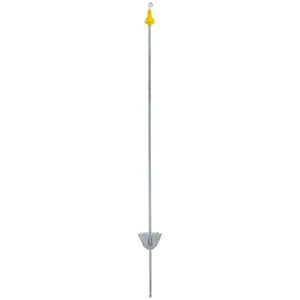
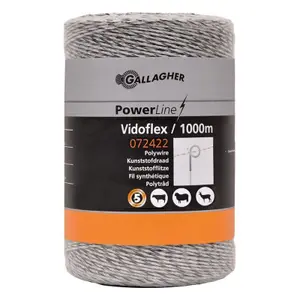
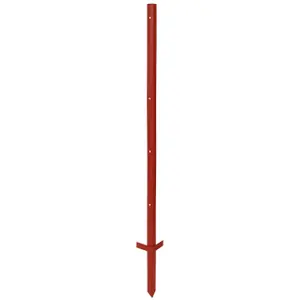
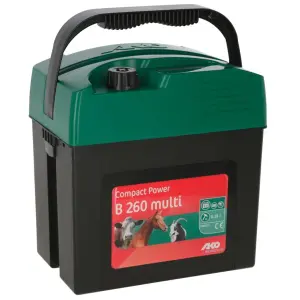
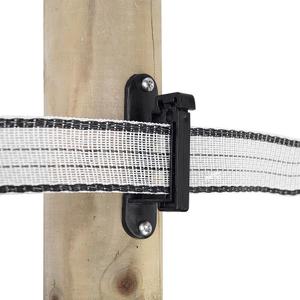
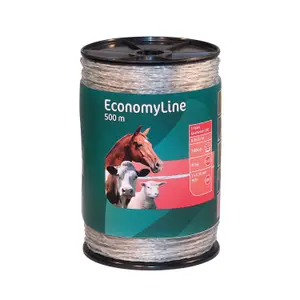
The Fencing page brings together the equipment to electrify and maintain a horse paddock's fence: energisers Ako, insulators and connectors Tattini for wires and tapes, and accessories that ensure good current conduction along the length of the enclosure. A setup designed to be easily visible to horses and easy to manage on a daily basis.
A visible and well-electrified fence means a horse stays safely in the paddock.
Electric Fencer Ako: power and supply
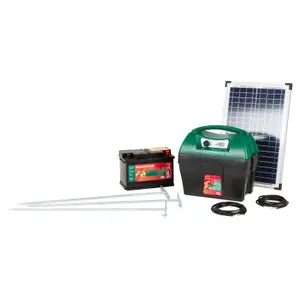
The electric fencer sends brief high-voltage pulses into the fence, about one per second. The horse that touches the conductor feels an unpleasant but harmless shock, which quickly teaches it to respect the boundary. Its power is measured in joules of impulse energy: the longer the fence and the more vegetation touches the wires, the more power is needed. The Ako Corral Super N, plugged into the mains, is suitable for fields near a socket; battery or solar models are used for remote pastures.
These devices meet the safety standard EN 60335-2-76, which regulates the energy and duration of pulses to ensure they remain safe for both animals and walkers.
Rope, tape, insulators: building a visible fence
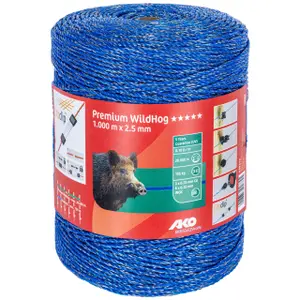
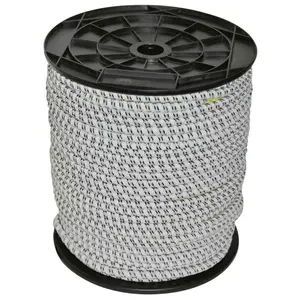
For horses, thick ropes and wide tapes are preferred over thin wires: they are much more visible and can be spotted from a distance by a galloping horse. Generally, two or three rows are installed, the highest at the height of the withers, and the lowest high enough not to touch the grass. Insulators, such as those from Tattini for cable, secure the conductor to the posts without allowing current to leak into wood or metal; a cracked insulator is enough to cause a loss.
Connectors, like the Tattini set for tape, connect two lengths without current loss, whereas a simple knot damages the conductor strands and impedes the flow of electricity, especially after several months of rain and wind.
Grounding and control: a fence that really zaps
The current only completes the circuit by passing through the ground to the electric fencer: without good grounding, the shock remains weak, even with a powerful device. Several galvanized metal ground rods are driven deeply into a ground that stays moist, spaced a few meters apart and connected to each other. This is the most common cause of a fence that no longer zaps in summer, when the ground dries out.
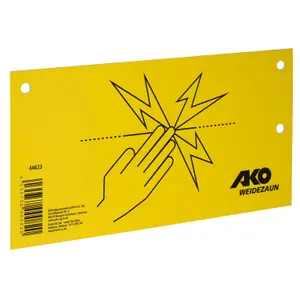
A fence tester measures the voltage at various points, especially far from the device. Regularly clear grass and branches touching the lower rows, replace broken insulators, and place warning signs along public roads, as required by the standards.
The rest of the stable
Once the field is fenced, the equipment continues with stable equipment for the box, grooming equipment for daily care, feed, and care, all gathered on the stable and field page.
New products and good deals
The new products feature the latest collections, the promotions highlight discounted items, and the clearance and sales offer end-of-line items. Items shipped within 24 hours are prepared and sent out in 24 hours.
Frequently asked questions
Electric fence or wooden fence for a horse field?
The wooden rail is visible and durable, but expensive and quickly rotted or broken. The electric fence, easier to install, is often combined with wood: an electrified row installed on offset insulators protects the rails and keeps the horses at bay.
Which posts to choose for an electric fence?
Wooden posts, sturdy, serve for corners and entrances, equipped with insulators. Between them, fiberglass or plastic posts, lighter, directly hold the rope and can be easily moved to rotate the plots.
What distance should the posts be spaced?
On flat ground, one often counts one post every five to eight meters or so, more in curves and on slopes. A wide tape, which catches the wind, requires posts closer together than a rope, which is more stable.
How to get a horse used to an electric fence?
Introduce it to the fence in a small paddock, during the day, with clearly visible tapes or ropes: one or two contacts are generally enough for it to respect it. Avoid turning a horse that doesn’t know it loose in a big field, where it might charge at it at a gallop.
Should I turn off the current to enter the field?
An insulated door handle allows opening the passage without getting a shock or cutting off the rest of the fence. However, to repair a row or change an insulator, turn off the electric fencer before touching the conductors.






