
Equestrian equipment shipped within 24 hours


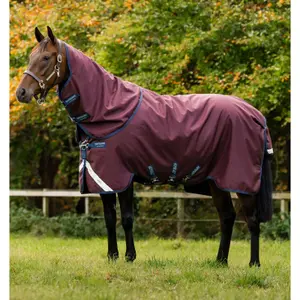


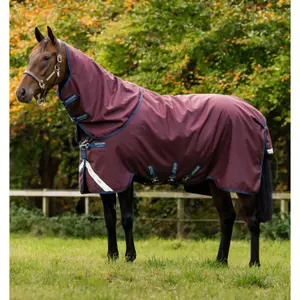


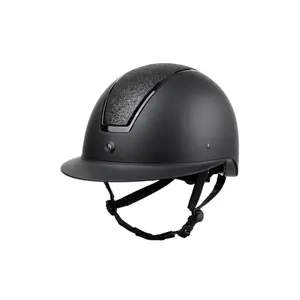


The Shipped in 24h selection brings together equestrian equipment for riders, horses, and stables available immediately. The items in this selection are prepared and shipped within 24 hours; the shipping time is added on top according to the chosen delivery method.
Useful before a competition, a rehearsal, or for replacing a damaged part.
Helmet: Standards and Replacement
An equestrian helmet must have a CE marking and comply with the European standard EN 1384, revised in 2023, which most recent models meet. It is selected based on the measurement of the head circumference, taken above the eyebrows, and must fit securely without moving when shaking the head, with the chin strap attached. A helmet that is too large slips over the eyes, while a helmet that is too small rides up and offers poor protection at the back of the head.
After a fall with impact, a helmet should be replaced, even if there is no visible damage: the inner foam absorbs energy by compressing and does not regain its properties. This is one of the purchases that cannot be delayed before getting back on the horse. Helmets can be found in the rider category, and those for young riders in the children category.
Body Protector: the EN 13158 Standard
Body protectors are governed by the EN 13158 standard, which defines three levels. Level 3, the most protective, is recommended for general riding, show jumping, cross-country, and young riders; the lower levels, which are lighter, correspond to uses where the risk is considered lower. A body protector should be chosen based on the chest size and back length and must not hinder the riding position.
Protecting the Horse's Legs
The horse's legs are protected according to the work required. Boots, with a hard shell, protect the tendons in the front legs, while bell boots serve the same purpose for the hind legs, especially over jumps. Polo wraps, made of fleece, support and protect during flat work, but must be applied without folds and with even tension around the tendon, otherwise they compress rather than protect.
Overreach boots cover the heels and coronets of the front legs, which are exposed to strikes from the hind legs. These protections can be found in the horse category, along with grooming and work equipment.
Other Equestrian Pages
The accessories and shoes complete the rider's outfit, the stable and paddock gather maintenance equipment, and a page is dedicated to the dog. The new arrivals showcase the latest products, the promotions highlight discounted items, and the clearance and sales complete the offering, all gathered on the equestrian page.
Frequently Asked Questions
What is the delivery time for the equestrian equipment from this selection?
The items from this selection are prepared and dispatched within 24 hours. The transport time is then added according to the chosen delivery method, which is helpful when approaching a competition or a clinic.
How to measure your head for an equestrian helmet?
Measure the head circumference with a measuring tape, just above the eyebrows and ears. The helmet should fit securely without moving when shaking the head, with the chin strap attached, without compressing the forehead.
What level of back protection is needed for jumping obstacles?
The EN 13158 standard categorizes body protectors into three levels. Level three, the most protective, is recommended for jumping and cross-country, where falls are most severe.
Boots or bandages: what to choose?
Boots protect the legs from impacts during work, especially over jumps. Resting bandages, placed over padding, support the tendons and limit swelling in the stable or during transport.
When should you replace your body protector?
Replace it after a severe fall if the foam remains marked, and after a few years, as it loses its properties over time. Also, check that it remains well fitted as growth occurs.






