
Kids' shoes on sale

























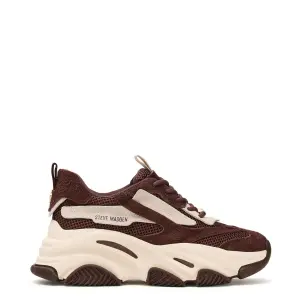


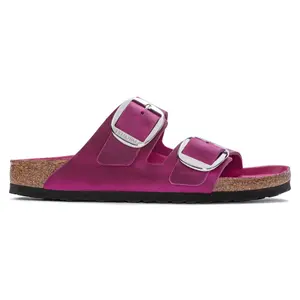
The children's shoes sale features trainers and boots, from baby to junior: Geox Magnetar, Gisli and Savage, Gola Daytona and Elan, Victoria Tribu and Anglaise, Superga Cotjstrap, Skechers, Asics, adidas, Hummel, Kappa and Steve Madden, Mikk-Line barefoot, along with winter and rain boots Reima and Mikk-Line. Models that are easy to slip on, sturdy and suitable for growing feet.
Keep up with their growth at sale prices.
Velcro, elastic or laces depending on age
The fastening method is chosen based on the child's independence. For small children, Velcro is essential: the Superga Cotjstrap, the Velcro version of the brand's classic canvas, or the Mikk-Line barefoot styles open widely and close with a simple action, making it easier for them to get dressed at nursery. Elastic laces, found on many children’s models, maintain the look of lace-up trainers without needing to tie a knot. Laces become relevant when the child can tie them themselves, often around six or seven years old: they provide a better fit for running and ball games. Whatever the system, ensure that the heel stays snug when the child is up on their toes.
By type of shoes
Children's shoe sales are divided by type:
Children's sales also include clothing, accessories, on the children's page.
Gola, Superga, Victoria: century-old canvas
Several children’s trainers in this selection come from century-old brands. Gola, founded in Leicester in 1905, originally made football shoes; the Daytona and Elan reflect its classic retro lines with side stripes. Superga, established in Turin in 1911, created its rubber-soled canvas in 1925, with the Cotjstrap being the children’s version. Victoria, founded in 1915 in La Rioja, offers its canvas in a Tribe version, on a thicker sole. The vulcanised sole, bonded to the upper by heat, is flexible and durable: a real plus for children who wear out their shoes running and stopping on their toes.
Children's boots: cold, snow and puddles
In winter, the boot needs to insulate without weighing down the step. Reima, a Finnish brand established in 1944 and a specialist in outdoor clothing for children, designs the Nefar with a warm lining and a rugged sole that grips packed snow; the Rain Ankles, a rain boot, rises just above the ankle for jumping in puddles. The winter boots Mikk-Line, a Danish brand, add glitter to appeal to younger kids. A winter boot should be taken with a bit more room than a trainer, to fit a thick sock: a compressed foot cools down faster, as blood circulates less effectively.
Geox Amphibiox and barefoot: two approaches to the foot
The Geox Magnetar and Savage trainers have the ABX mark, for Amphibiox: the upper is made waterproof by a membrane, and the brand’s perforated sole lets out moisture through micropores smaller than a drop of water but larger than a steam molecule. This is the shoe for rainy days at school. On the other hand, the barefoot Mikk-Line focuses on a thin and flexible sole, with no height difference between the heel and the forefoot, and a wide toe box allowing the toes to spread: the foot works more, like when walking barefoot. They should be gradually introduced if the child usually wears thick insoles.
Frequently asked questions
What shoe size to choose for a child between two sizes?
Choose the next size up, as long as the shoe holds the heel well: an insole or a thicker sock can fill the gap in the first weeks. Beyond a size up, the child risks tripping.
How to tell if a child’s shoe has become too small?
Remove the insole and place the child’s foot on it while standing: there should be about a centimetre in front of the big toe. Red marks on the top of the foot, or a child who takes shoes off whenever possible, are also signs.
Should baby shoes be stiff?
No, for first steps, a soft and thin sole lets the foot feel the ground and strengthen. The upper should simply hold the heel without being tight: rigid models are unnecessary for a child learning to walk.
Can canvas trainers be machine washed?
Most vulcanised canvases can withstand a wash at thirty degrees in a mesh bag, with laces removed. Let them air dry, stuffed with newspaper, never on a radiator, as the heat can separate the sole.
Do you need a different pair for school and sports?
A versatile trainer is enough for the playground, but for physical education or a club, a model with cushioned and non-slip sole, like the Asics with Gel technology, better supports the foot during running and jumping.






