
Junior running sale


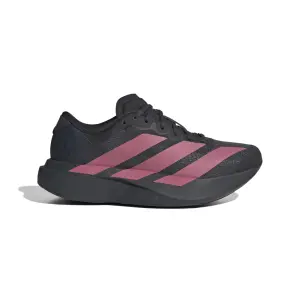
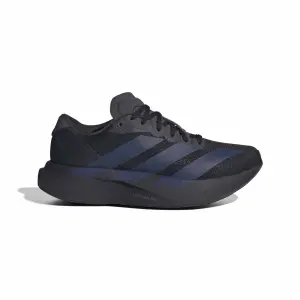
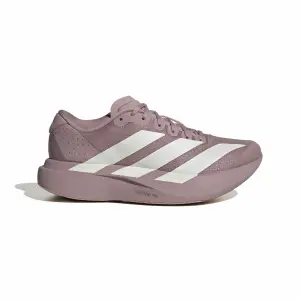
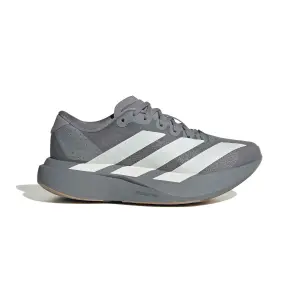
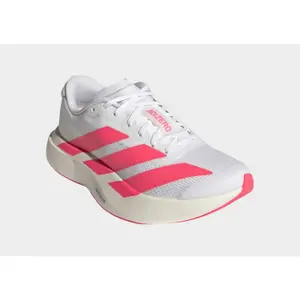
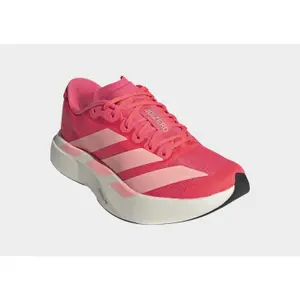

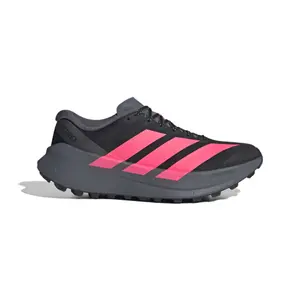


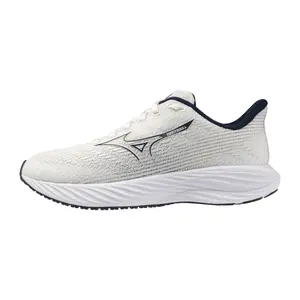
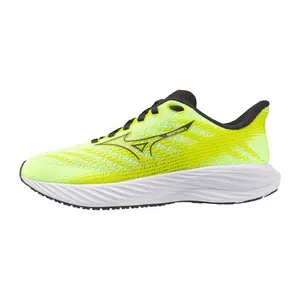
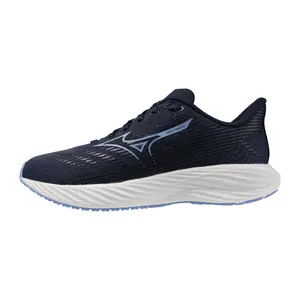

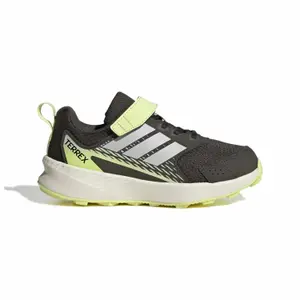

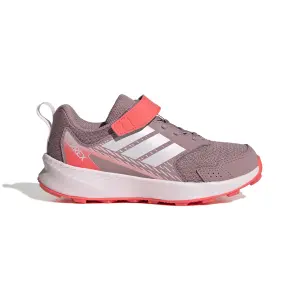


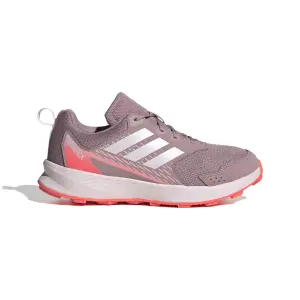

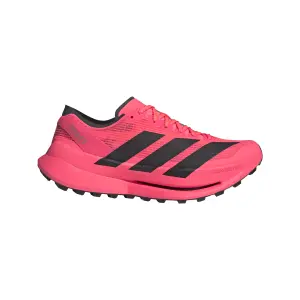


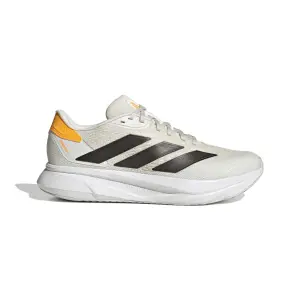

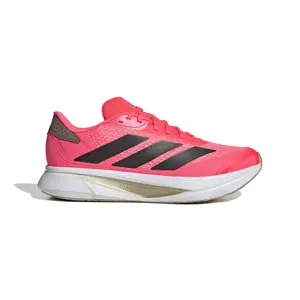
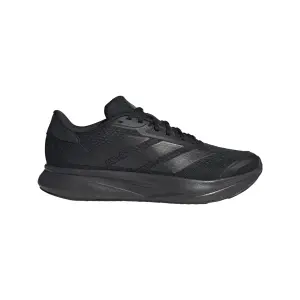


The Junior running sale brings together gear for young runners: children's running shoes adidas Duramo, Runfalcon, Tensaur, Hyperboost and Ultraboost, Saucony, Reebok Rush and Nike, Garmin Vívofit watch for the little ones, capri pants Erima, beanie Mizuno and fleece gloves Nike for winter outings. Models chosen for growing feet and sports that develop with age.
Get the kids running, at discounted prices.
What running shoe according to the child's age
Before six or seven years old, a child mostly runs while playing: a soft, lightweight and easy-to-put-on shoe is enough. Models with Velcro or elastic laces, like the adidas Tensaur Run or the Duramo for toddlers, allow them to put on their shoes themselves. In primary school, for PE and cross country, a versatile shoe like the adidas Runfalcon or Duramo, equipped with a cushioned sole, accompanies them every day. In secondary school, the young athlete can switch to more technical models, such as the Ultraboost or the Hyperboost in children's versions, with a more pronounced energy return.
The other running sales
The running sales also come in:
All the running sales are gathered on the running page.
Cushioning, weight and support for the young runner
A child's foot remains partly cartilaginous until adolescence: it needs to move freely. A good junior shoe is therefore light, flexible at the front to allow proper foot movement, and equipped with a firm heel counter that stabilises the ankle. The cushioning should be moderate: an overly thick sole cuts off sensations and hinders the learning of proper running form. The Boost foam, made of thermoplastic polyurethane beads welded together, provides bounce in technical models, while entry-level ranges like the Duramo focus on a simple and lightweight foam, sufficient for school use.
Measure the foot and choose the shoe size
A child's shoe size often changes several times a year, making it important to check it before each purchase. Have the child stand in socks on a piece of paper against a wall, and measure the distance from the heel to the longest toe, preferably at the end of the day when the foot is slightly swollen. Add about a centimetre of margin in front of the toes. A shoe that is too large causes tripping and blisters, while a shoe that is too small squeezes the toes: it's better to replace the pair at the right time than to aim for two sizes up to save time.
Running in winter: capris, hat, gloves and watch
For school cross country and winter outings, dress the child in thin layers: a breathable top, a light jacket to take off at the start, and capris like the Erima Performance, which cover the knees without hindering stride. Extremities tend to get cold first: the Mizuno hat and Nike Club fleece gloves keep warmth during the warm-up. To encourage movement, the Garmin Vívofit jr. watch counts steps, active time and sleep, unlocks adventures after one hour of daily activity and lasts around a year without recharging, as its battery is easily replaceable.
Frequently asked questions
From what age can a child start running?
Running while playing is suitable for all ages, and athletics clubs welcome children from primary school with fun workshops. Long races and structured training are more suited for adolescence, once growth is well advanced.
Is the Vívofit jr. watch waterproof?
Yes, it is waterproof up to five ATM: the child can wear it at the pool, in the shower, or in the rain. Its colour screen stays on constantly and can be read even in bright sunlight.
How long does a pair of running shoes for children last?
For children, the pair often becomes too small before it is worn out, sometimes in just a few months during growth spurts. Check the shoe size at the start of each school year and monitor the wear of the sole at the heel for the more active ones.
What socks should be worn to avoid blisters when running?
Opt for technical socks made of synthetic fibres, which wick away moisture, rather than cotton, which retains moisture and rubs. A sock that fits well, without folds under the foot, also limits discomfort.
Do you need spikes for school cross country?
Athletics spikes are reserved for older licensed athletes: for school cross country, a running shoe with a treaded sole grips properly on grass and mud. Make sure to tighten the laces well, as muddy terrains can easily pull off a shoe.






