
Men's running shoes on sale


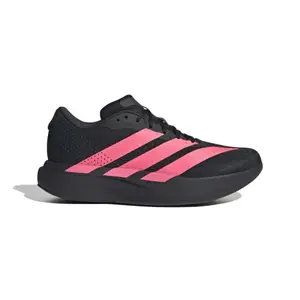
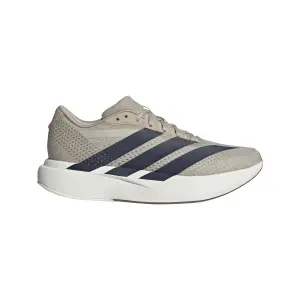
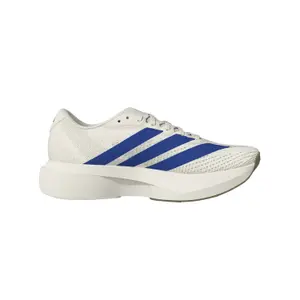


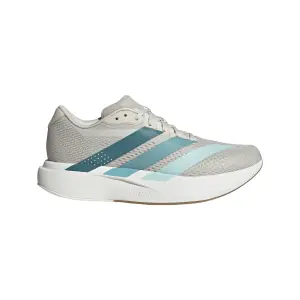
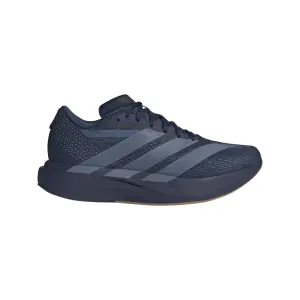


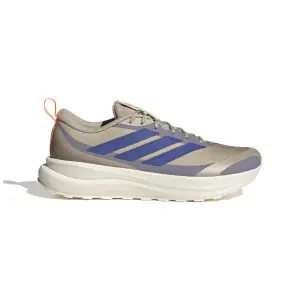

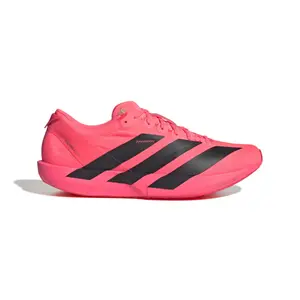
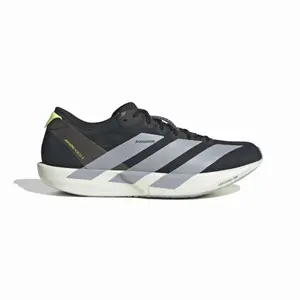
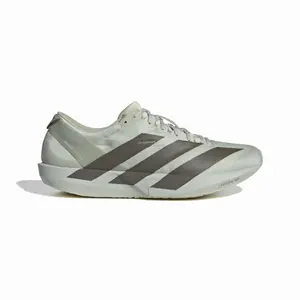

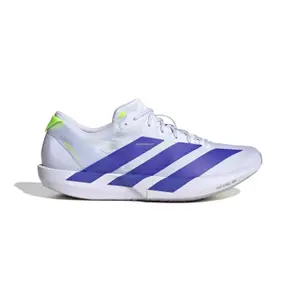


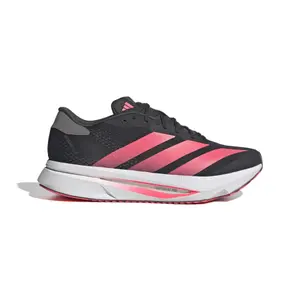


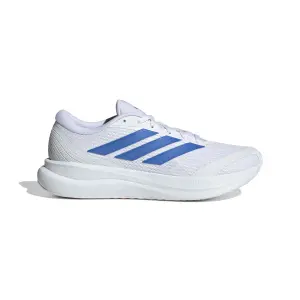
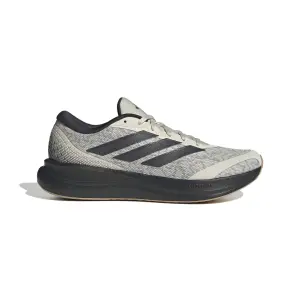
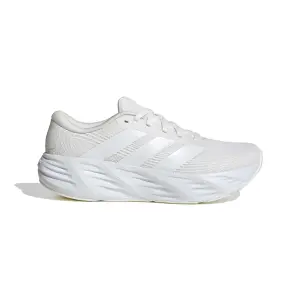
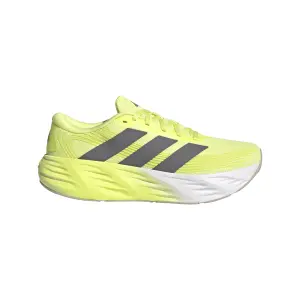
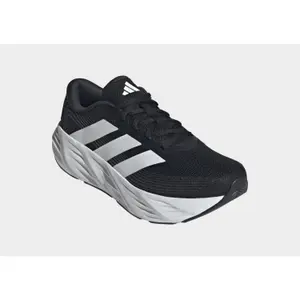
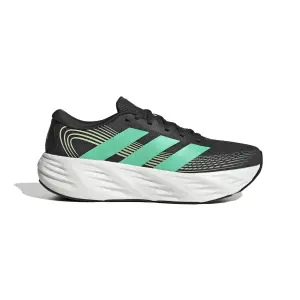
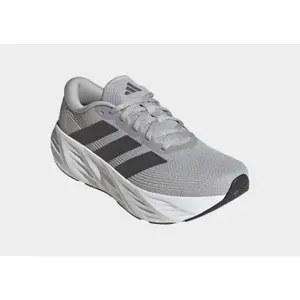
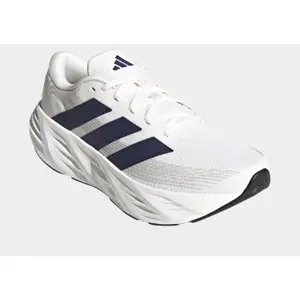
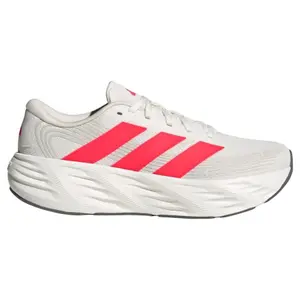
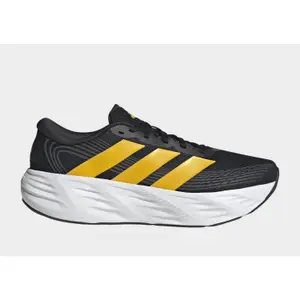
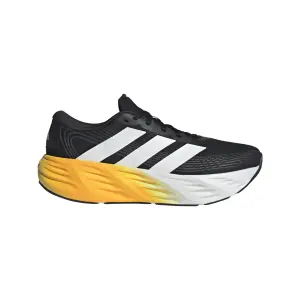
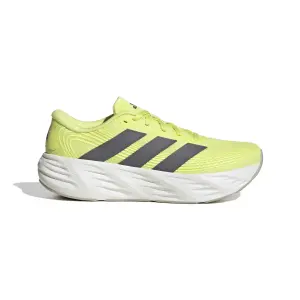
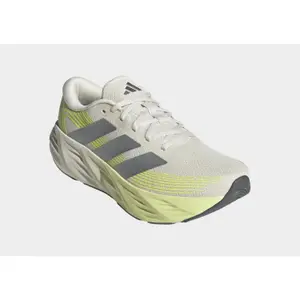
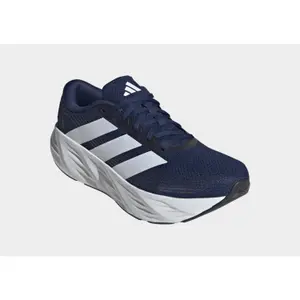
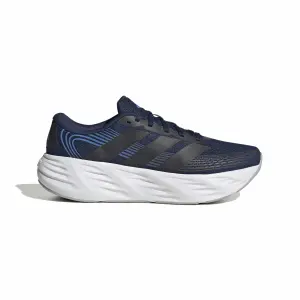
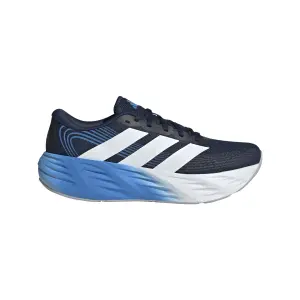
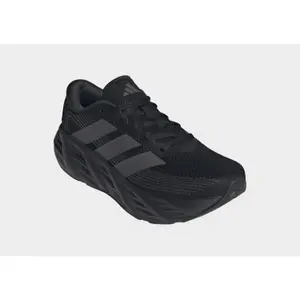
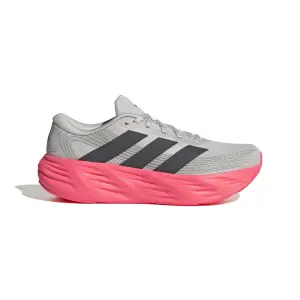
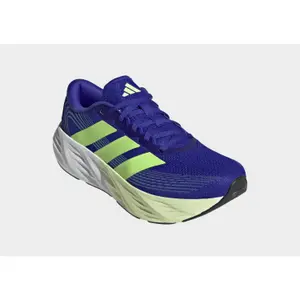
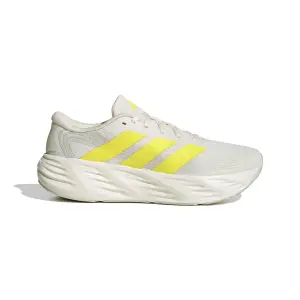


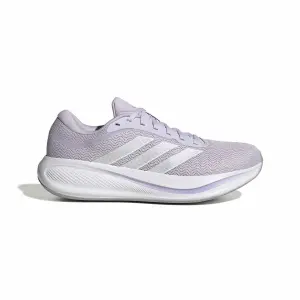


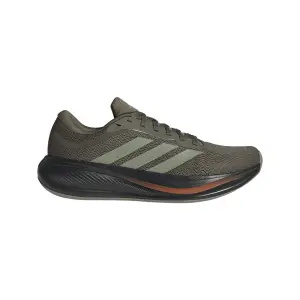

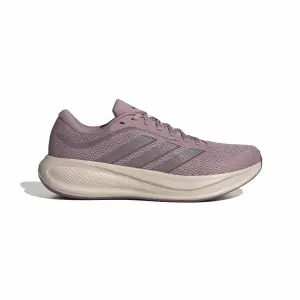
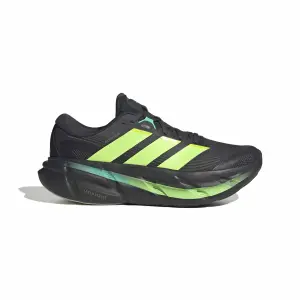


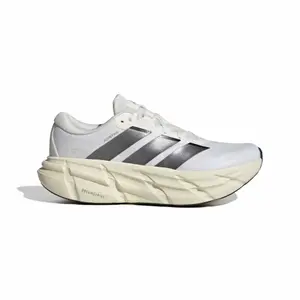
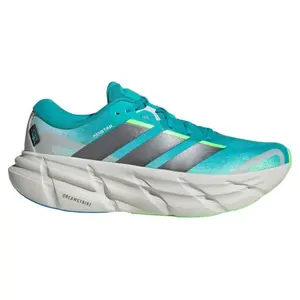
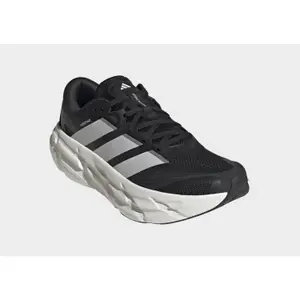
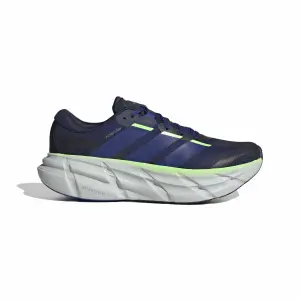
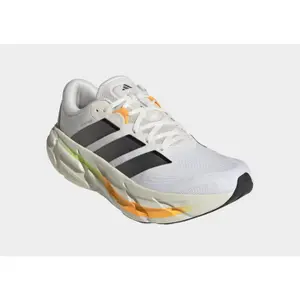
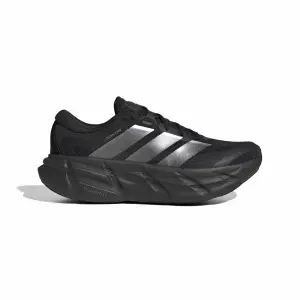
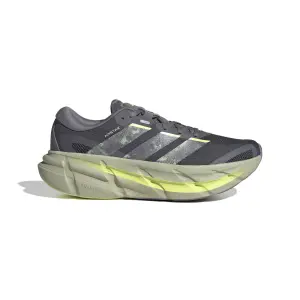

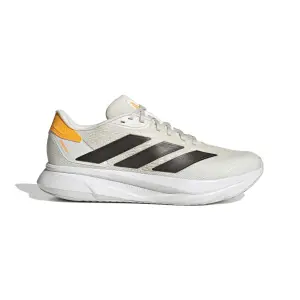
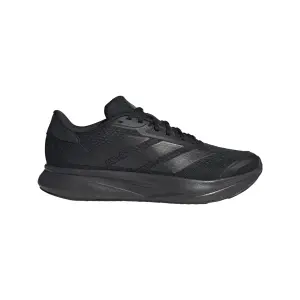


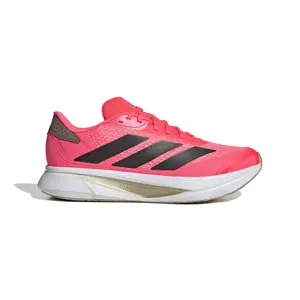


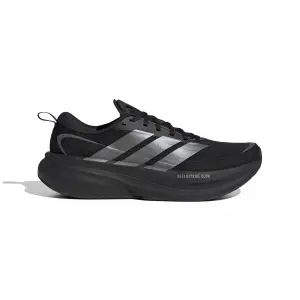

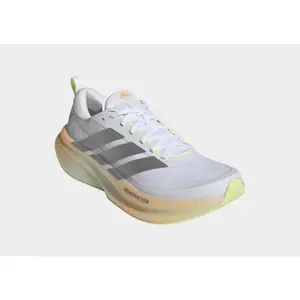
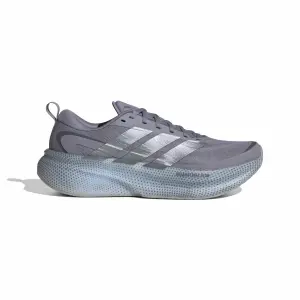
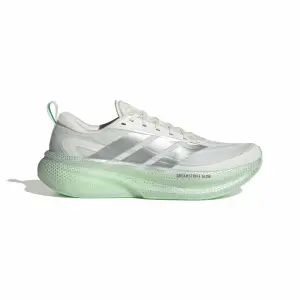
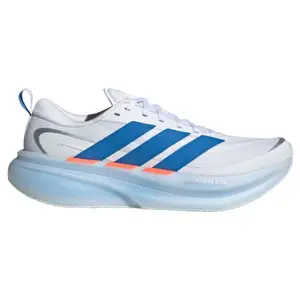
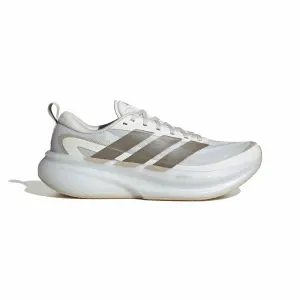
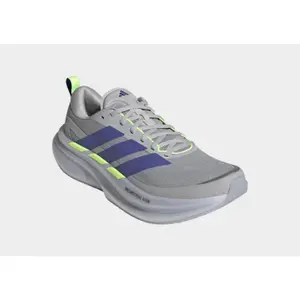
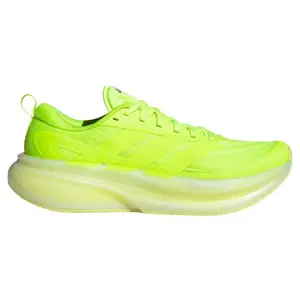
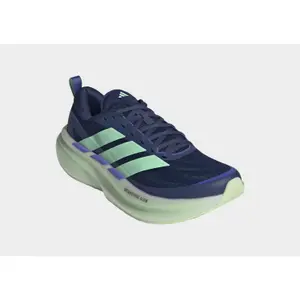


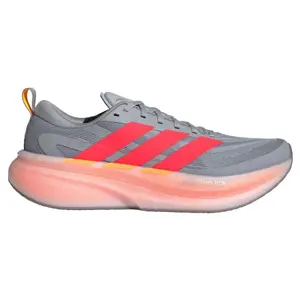

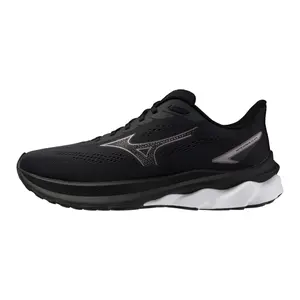
The sales on Men's Shoes for running bring together running shoes for every profile: adidas Runfalcon, Duramo and Galaxy for beginners, Hyperboost, Nike Vomero and Asics Superblast for cushioned training, Adizero Adios Pro, Evo SL and Puma Deviate Nitro for speed, not forgetting Topo Athletic and Skechers Max Cushioning. A choice guided by usage, gait and mileage.
Renew your running pair at a discounted price.
Runfalcon, Duramo, Galaxy: shoes for beginners
To get back into running or to run two to three times a week, a versatile shoe is enough. The adidas Runfalcon and Galaxy, simple and lightweight, offer classic foam cushioning for short runs; the TR and ATR versions add a more rugged sole for trails. The Duramo SL, slightly more dynamic, supports runners extending their distances, while the Questar focuses on comfort. These models combine a breathable mesh upper with a durable rubber sole, suitable for small weekly volumes.
Other running sales
The running sales also include:
- Women's Shoes.
- Men's Clothing, t-shirts, tights, and jackets.
- Women's Clothing.
- Junior.
- Equipment, watches, belts, and lights.
All running sales are gathered on the running page.
Hyperboost, Vomero, Superblast: cushioning for long runs
When the mileage increases, a highly cushioned shoe protects the legs. The adidas Hyperboost Run features thick Hyperboost Pro foam and an expanded platform, with rubber Continental inserts under the forefoot for grip. The Nike Vomero, the brand's daily training shoe, combines two foams for soft comfort. The Asics Superblast, very high, uses reactive FF Turbo foam without a plate, making it just as comfortable for endurance as for sustained paces. The Skechers Max Cushioning Endeavour aims for comfort on slower runs.
Adizero and Deviate Nitro: competition shoes
For fast running, competition shoes combine a highly reactive foam with a rigid element. The adidas Adizero Adios Pro features carbon rods, the Energy Rods, arranged like the bones of the foot to enhance propulsion, and is aimed at half-marathons and marathons. The Puma Deviate Nitro combines a carbon plate with nitrogen-infused foam. Lighter and without a rigid element, the Adizero Evo SL and Adizero Adios are for interval sessions and shorter road races, like the 10k.
Topo Athletic: zero drop and wide forefoot
Some runners seek a more natural feel. Topo Athletic, an American brand founded in 2013, designs shoes with a wide forefoot, allowing the toes to splay with each stride. Its ST model, very low and with no height difference between the heel and forefoot, in other words, with zero drop, puts more strain on the calves and the Achilles tendon: it's best to adopt it gradually, alternating with a traditional shoe, to give the muscles time to adapt. It suits runners who land midfoot rather than heel first.
Frequently asked questions
What running shoe for a man weighing ninety kilos?
A heavier runner should choose a wide and stable sole, with thick cushioning that better absorbs impacts, like that of the Hyperboost or Superblast. Very lightweight competition models should be reserved for races.
How to tell if you have pronation?
Check the wear on your old shoes: a heel worn on the inside indicates pronation, while wear on the outer edge shows supination. A gait analysis in a store or with a podiatrist can confirm the diagnosis.
What size should you take for a running shoe?
You often take half a size larger than usual, as the foot swells and slides forward during activity. A gap of about one centimetre between the big toe and the front of the shoe prevents toenail bruising.
How many kilometres does a running shoe last?
Most running shoes hold up between six hundred and a thousand kilometres, depending on the runner's weight, the foam, and the surface. Firm cushioning or a sole wearing unevenly indicates it’s time to replace them.
Can you run on trails with a road shoe?
On a dry and manageable path, a road shoe is sufficient, especially if its sole is slightly rugged like that of the Runfalcon TR. Once the terrain becomes muddy or technical, a trail shoe provides better grip and protection.






