
Riding gloves
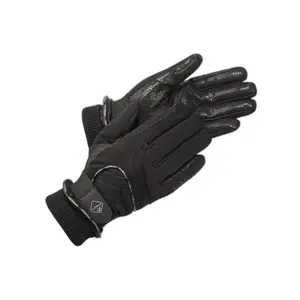
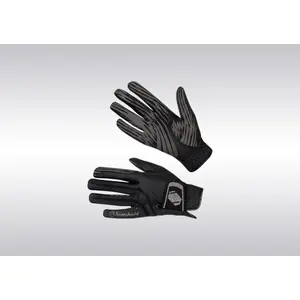
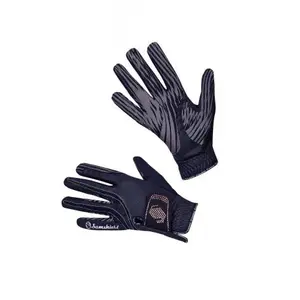
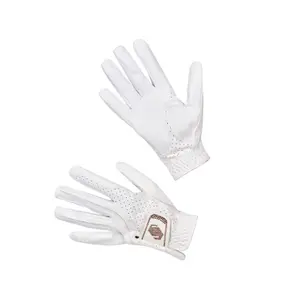
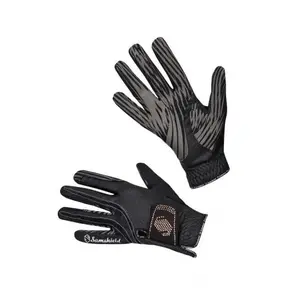
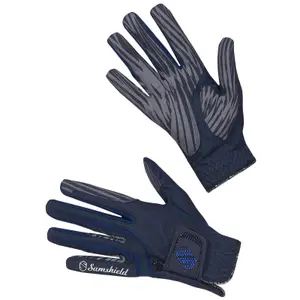
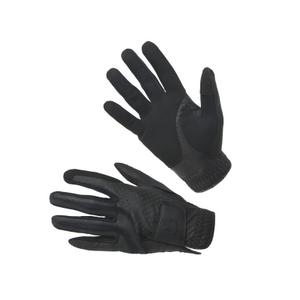
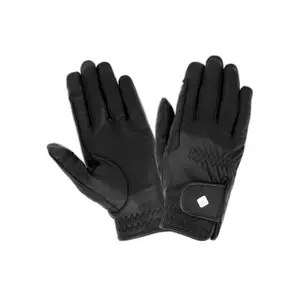
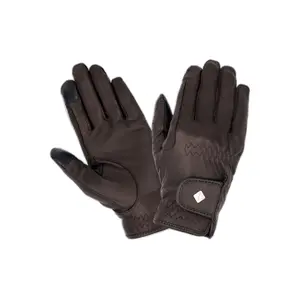

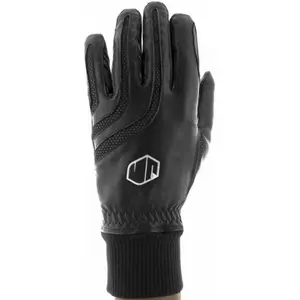
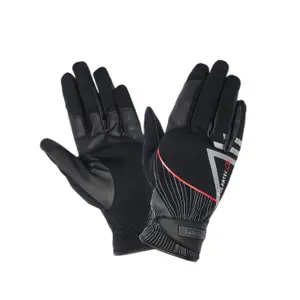
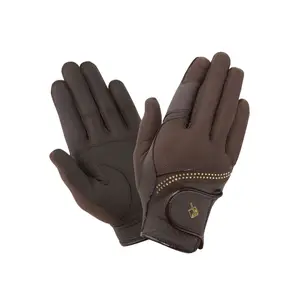
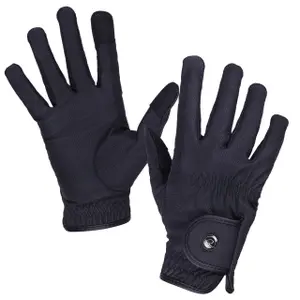
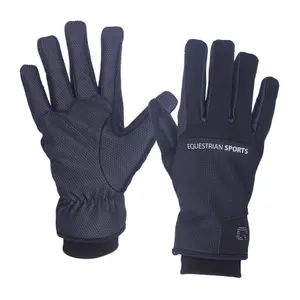
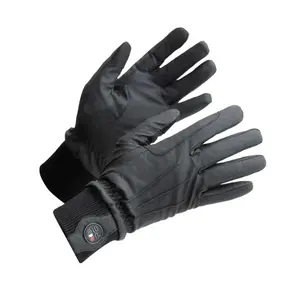
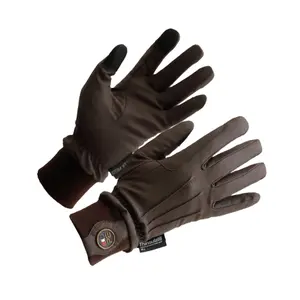
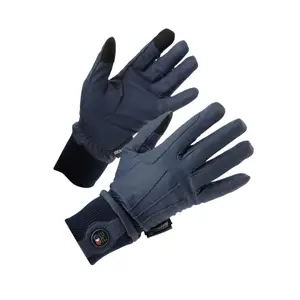
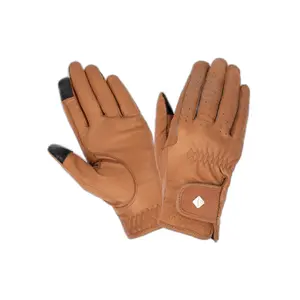
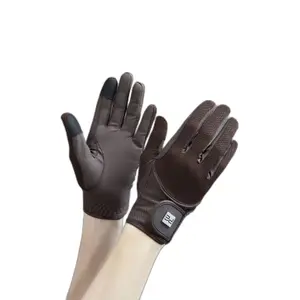
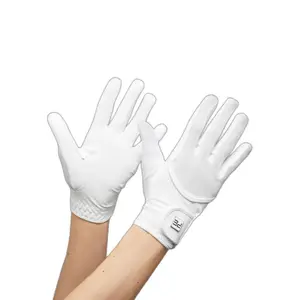
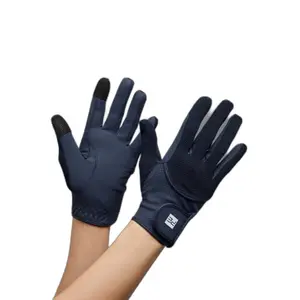
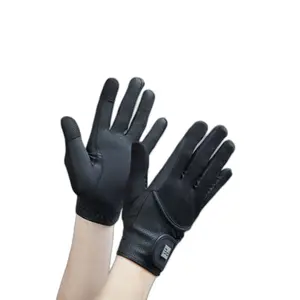
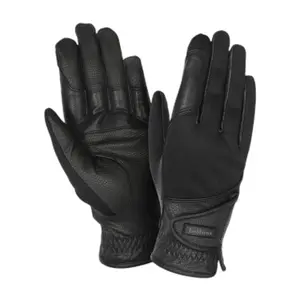
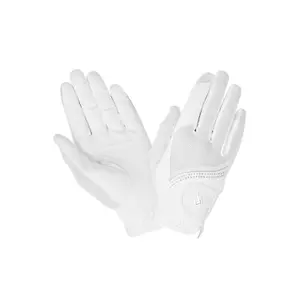
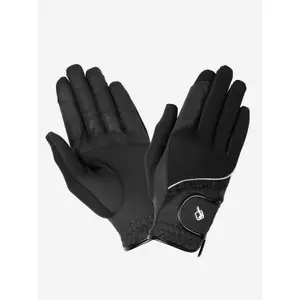
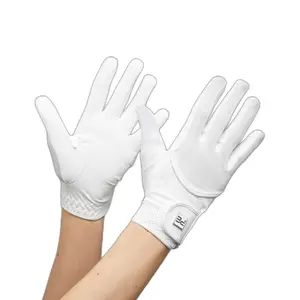
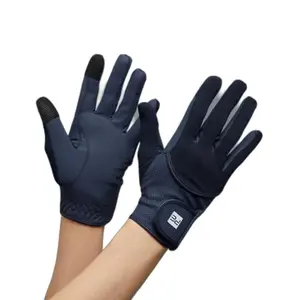
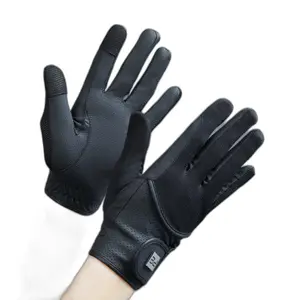
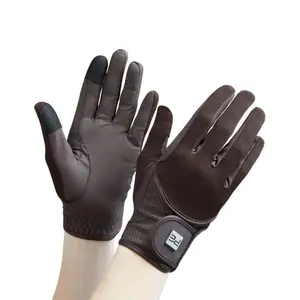
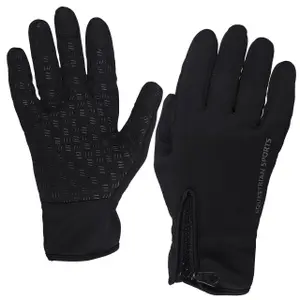
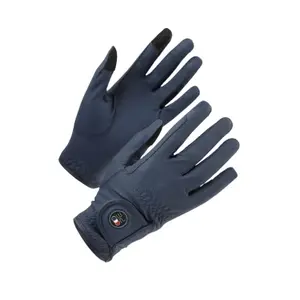
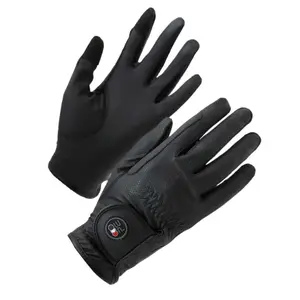
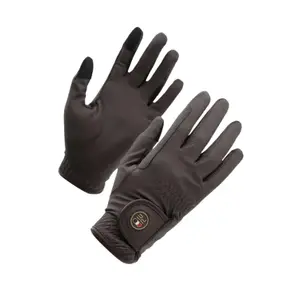
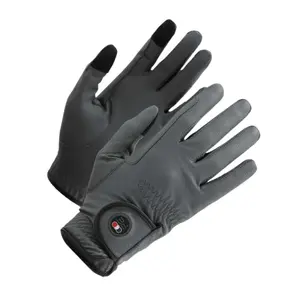
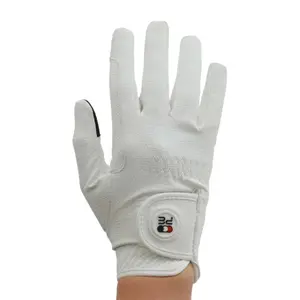
The Gloves page brings together summer and winter riding gloves, made from leather or synthetic materials, from Samshield, Roeckl, Uvex, LeMieux, Ariat, Kingsland, QHP, Harry's Horse, or Karlslund, as well as grooming gloves.
A good glove protects the hands without cutting off the feel of the reins.
Where the reins pass
The reins pass between the ring finger and the little finger, then rise in the palm under the thumb. This is where the friction is strongest, and riding gloves place their reinforcements between the fingers and on the inside of the hand. A palm made of grippy material, often a textured synthetic or a printed silicone, prevents the reins from slipping without having to clench the fist, keeping the hand flexible and the contact light with the horse's mouth.
Leather, synthetic and mesh
Leather, like that from Roeckl, a German glove maker founded in 1839, softens over time and fits the hand: it remains the choice of elegance in competitions. Synthetic materials, such as the V-Skin from Samshield or the gloves from Uvex Ventraxion, offer a very fine touch, consistent grip and easy washing. The mesh models, like the LeMieux 3D Mesh or Pro Mesh, ventilate the back of the hand for summer.
The magic gloves, made from one-size stretch mesh, are a budget-friendly option for beginners and grooming, fitting easily into a jacket pocket.
Winter, rain and touchscreens
In winter, lined gloves, like the QHP Siberië or Polartec models, keep warmth while retaining enough feel for the reins: a lining that is too thick makes the hand clumsy. Waterproof gloves, like the LeMieux Lite, protect from showers, and many models have fingertip ends compatible with touchscreens, handy for timing or using the phone without taking them off.
Choosing your size
A riding glove should fit snugly, with no fold in the palm, where a fold of material can cause pain. The size is measured around the hand at the knuckles, excluding the thumb, and compared to the manufacturer's guide: sizes vary from brand to brand. A new leather glove might feel a bit tight at first and will soften after a few sessions, while a synthetic glove retains its size.
Other accessories
The rider's accessories continue with:
- Protective gear, airbag vests and back protectors.
- Hoods and scarves for winter.
- Bags, boot and bridle bags.
- Whips and spurs, sticks and headcollars.
- Other accessories, small equipment.
All of this is gathered on the accessories page.
New products and good deals
The new products feature the latest collections, the special offers have discounted items, and the clearance and sales are for end-of-line items. Items shipped in 24h are prepared and dispatched within 24 hours.
Frequently asked questions
Why wear gloves when riding?
The reins pass between the ring finger and the little finger and then rise in the palm: the friction is strong there. Gloves provide reinforcements, and their grippy palm prevents the reins from slipping without clenching the fist, keeping light contact with the horse's mouth.
Leather or synthetic gloves for riding?
Leather, like that from Roeckl, a German glove maker founded in 1839, softens and fits the hand, a choice of elegance in competitions. Technical synthetic gloves, like the V-Skin from Samshield or Uvex Ventraxion, offer a fine touch, consistent grip and easy washing.
What riding gloves are best for winter?
Lined gloves, like the QHP Siberië or Polartec models, keep warmth while retaining enough feel for the reins: a lining that is too thick makes the hand clumsy. The LeMieux Lite, which are waterproof, protect from showers.
How do I choose the size of my riding gloves?
Measure around the hand at the knuckles, excluding the thumb, and compare with the manufacturer's guide, as sizes vary from brand to brand. The glove should fit snugly, with no fold in the palm. A new leather glove will soften after a few sessions, while a synthetic one keeps its size.
What are magic gloves in riding?
These are gloves made from a one-size stretch mesh, a budget-friendly solution for beginners and grooming. They fit in a jacket pocket but offer less reinforcement than a technical riding glove.






