
Equipment for the Cavalier Dog
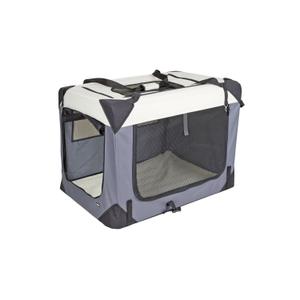
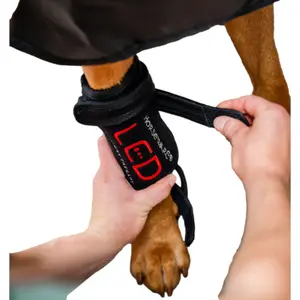

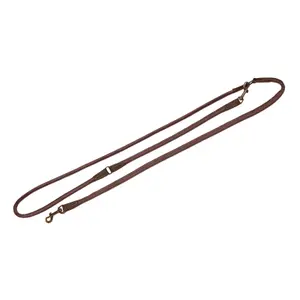
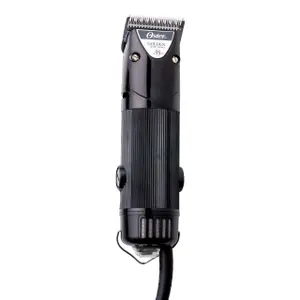
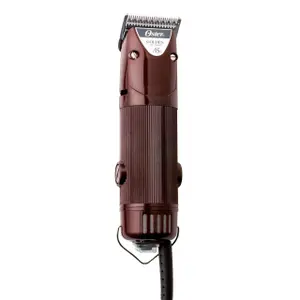
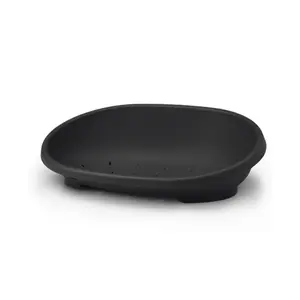
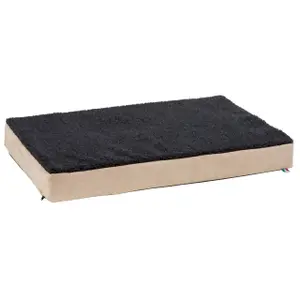
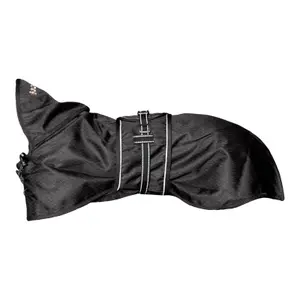
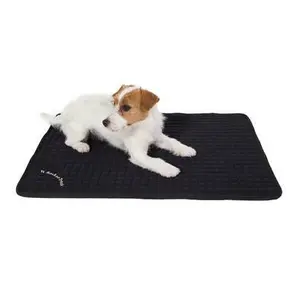
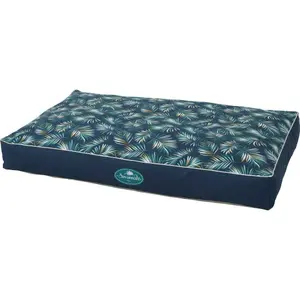
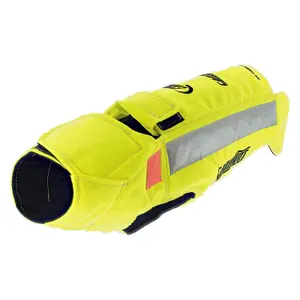
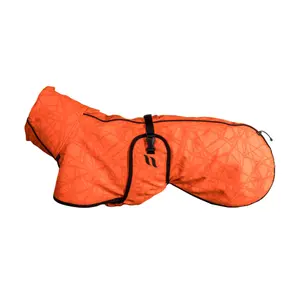
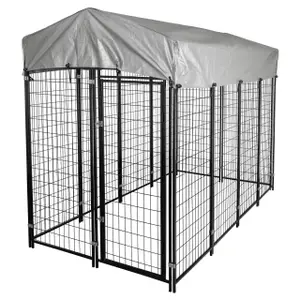
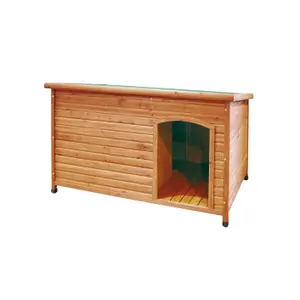
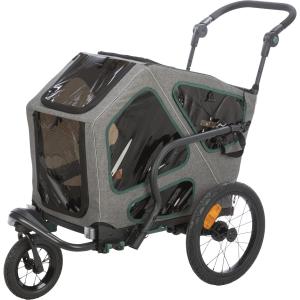
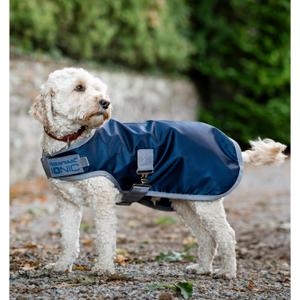
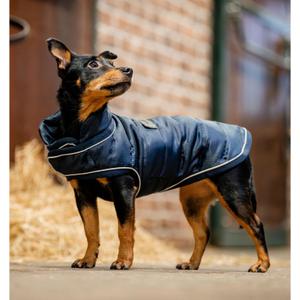
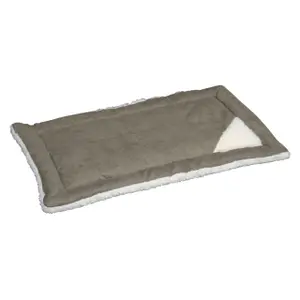
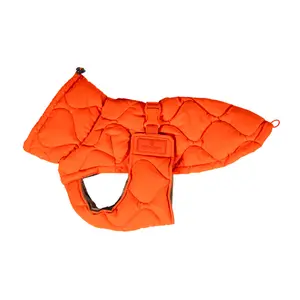
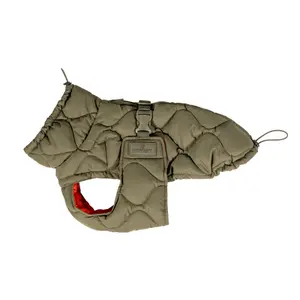
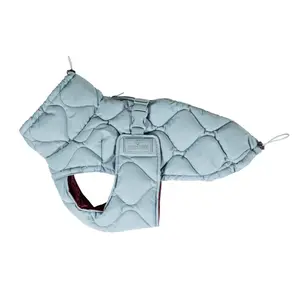
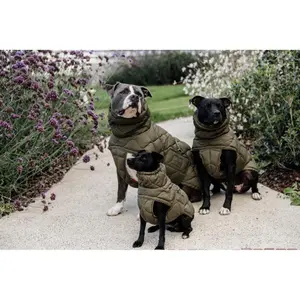
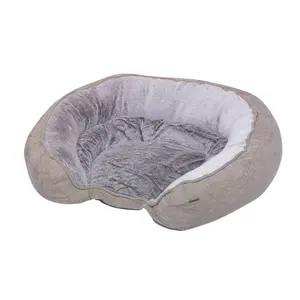
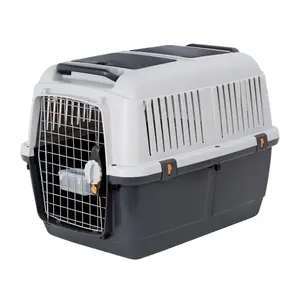
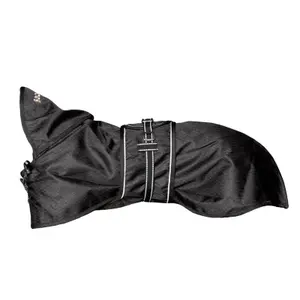
The Dog page is aimed at riders who bring their companion to the stables: collars, leads, and harnesses to keep them close, baskets and mats to wait during sessions, waterproof coats for cold days, brushes and hygiene products for after walks, food and bowls. Everything needed to gear up the stable dog as well as the house dog.
The loyal companion of the stables also deserves their own gear.
Getting your dog used to the stable life
A dog in the stable must first learn to stay calm near the horses. The first visits are done on a short lead, at a distance from the stalls, so it can discover the smells and sounds without going near the horses' backsides: a horse surprised by an animal that suddenly appears behind it may kick. The dog is then taught to wait on its bed or on a mat, placed away from the path of the horses and wheelbarrows, while we ride. A dog that barks or chases horses in the field remains tied up, as required by the rules of many stables.
The selection
The dog's equipment is organised by type:
- Collar and lead, including harness.
- Bed.
- Clothing, coats and waterproofs.
- Care, brushes and hygiene.
- Food.
- Pet shop, bowls and accessories.
Collar or harness: measuring and adjusting
The collar holds the tag and is suitable for dogs that walk nicely without pulling; when properly adjusted, it allows two fingers to fit between the strap and the neck. The harness transfers the pull to the chest and protects the trachea of dogs that pull, as well as smaller breeds with delicate necks. To choose one, measure the chest just behind the front legs, at the widest point, then measure the neck at its base. A Y-shaped harness, which clears the shoulder, allows for more free movement than a horizontal strap model. Reflective bands make the dog visible on the way back, as night falls.
The equestrian world
The equestrian world also includes equipment for the rider, young rider, horse, shoes, accessories, stable equipment, on the equestrian page.
Coat, grooming, and care after the outing
A dog coat is chosen based on the length of the back, measured from the base of the neck to the base of the tail. Short-haired breeds, small dogs, and older dogs benefit in winter when waiting at the edge of the ride is prolonged in the rain or wind. Upon returning from the field, brushing removes mud and allows you to check the coat for grass seeds that can get stuck between the toes or in the ears, and ticks, which should be removed with a suitable hook without squeezing their bodies. An absorbent towel and a gentle shampoo complete the care kit.
New arrivals and good deals
The new arrivals showcase the latest collections, special offers highlight discounted products, and clearance and sales feature end-of-line items. Items shipped in 24h are prepared and sent out within 24 hours.
Frequently asked questions
How do you choose the right size for a dog bed?
You measure the dog curled up, from the tip of the nose to the base of the tail, and add about twenty centimetres. For the stable, a removable bed or mat is easy to wash after muddy days.
What bowl should you take for a day at the stable or in competition?
A foldable silicone bowl fits into a pocket and unfolds for water or kibble. A bottle of fresh water prevents the dog from drinking from the horses' troughs.
What food is suitable for a very active dog?
A dog that follows on walks expends a lot of energy: a diet suitable for its activity level, higher in protein, meets its needs. It's best to avoid feeding it right before exercise, especially for larger breeds.
Can a dog accompany a ride?
Yes, if it responds to recall and is familiar with horses. Start with short, slow outings on quiet paths and adjust the duration based on its physical condition, as it covers much more ground than the horse.
How often should you wash your dog?
About one bath a month is sufficient for most dogs, using a shampoo formulated for them, as human shampoo can irritate their skin. Between baths, regular brushing and rinsing muddy paws keep the coat clean.






