
Boots, riding boots and equestrian footwear
Equestrian Footwear includes tall boots, ankle boots and half-chaps, western boots and stable shoes, from Ariat, Horze, QHP, Horka, Harry's Horse, Black Fox or Sergio Grasso.
A boot is chosen based on the discipline, the season, and the shape of the leg.
Dressage, jumping and laces: three types
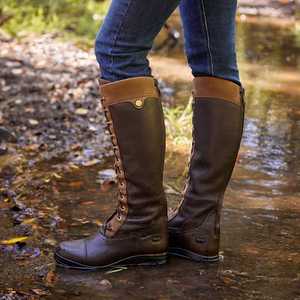
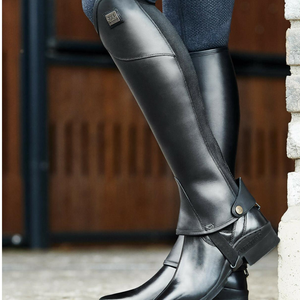
High boots come in various styles. The dressing boot has a rigid and straight shaft, which keeps the leg extended along the horse and hardly crumples at the ankle. The jumping boot, which is more flexible, bends more at the ankle to accommodate lower heels and a balanced position. The lace-up boot over the instep, known as a field boot, like the Ariat Palisade Field or some models from Horze, adds an adjustment at the ankle and suits high insteps.
The height is measured from the ground to the bend of the knee, and the calf circumference at its widest point. A new leather boot seems high behind the knee: it drops slightly over time as the leather creases at the ankle. The wide models, like the Q-essentials Jessy, accommodate larger calves.
Leather or synthetic, summer or winter
Leather moulds to the leg over time, breathes and lasts long if maintained, making it the choice of regular riders. Boots made of synthtic or rubber are lighter, waterproof and easy to rinse, making them suitable for beginners and children who grow quickly. Italian master bootmaker Sergio Grasso represents the other end of the spectrum, with high-quality leather boots.
In winter, lined boots like the Horka Thermo or the Horka Highlander, and outdoor boots QHP Daan keep feet warm during stable care and lessons in the outdoor arena. A lined pair should be chosen with a bit of room for a warm sock, without the foot floating.
Boots and mini chaps
The combination of jodhpur boots and mini chaps replaces the tall boot for many riders. The boots, such as the Harry's Horse Selina in leather, rise above the ankle and are comfortable for walking around the stable, while the leather or suede chaps, like the Horze Blake, protect the calf from the rubbing of stirrup leathers. The set adjusts more finely than a boot and can be replaced piece by piece. The mini chaps are gathered on the mini chaps page.
Western boots: toes and heels
Western boots Ariat are distinguished by the shape of their toe: the R Toe, narrow and oval, easily fits into the stirrup, the round toe leaves more space for the toes, and the J Toe or square toe offer the most comfort for walking. The high and angled heel prevents the foot from sliding through the stirrup. Most models incorporate the brand's ATS system, which translates the support of a sports shoe into a western construction, with gel cushioning and a stabilized arch.
Caring for your boots
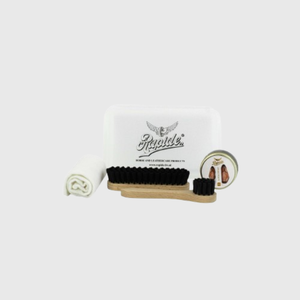
A leather boot should be brushed after each session to remove mud and sweat, which dry the leather. It should then be cleaned with glycerine soap and nourished with a cream or balm, in moderation, to maintain its suppleness at the creases. Finally, polishing restores shine before a competition.
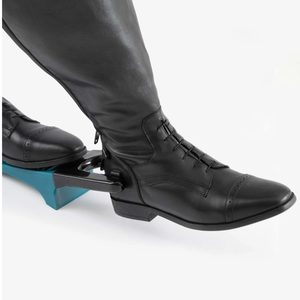
Boots should dry at room temperature, never near a radiator, and be stored with boot trees to keep the shaft straight. A boot puller makes removal easier without damaging the counter. The products are on the care page, and boot trees and pullers can be found in the accessories section.
All the rider's footwear
The selection is organized by type:
- Boots, dressage, jumping, lace-up, winter and western.
- Mini chaps, in leather or suede, to be paired with boots.
- Care, soaps, creams and polishes.
- Accessories, boot trees, pullers and boot bags.
The rider category brings together adult attire, the children's category includes young rider outfits, the accessories section offers gloves and protection, and the horse, the stable and field, and the dog have their pages, on the equestrian page.
New arrivals and good deals
The new arrivals showcase the latest collections, the special offers feature discounted items, and the clearance and the sales highlight end-of-line products. Items shipped within 24 hours are prepared and sent out in 24 hours. The Black Friday, the end-of-year holidays, winter sales, and the French Days in spring punctuate the year.
Frequently asked questions
How to measure your leg to choose high riding boots?
Measure the height from the ground to the bend of the knee, then the calf circumference at its widest point. A new leather boot should seem a bit high behind the knee: it drops as it creases at the ankle. Riders with strong calves should look for wide models, like the Q-essentials Jessy.
Should you choose a dressage boot or a jumping boot?
The dressage boot has a rigid and straight shaft that keeps the leg extended along the horse. The jumping boot, being more flexible, bends more at the ankle to accommodate lower heels and the rider's balanced position.
Leather or synthetic boots: which one to start with?
Synthetic or rubber boots, being lightweight, waterproof and easy to rinse, are suitable for beginners and children who grow quickly. Leather, which moulds to the leg over time, breathes and lasts long if maintained, is the choice of regular riders.
What toe shape to choose for western boots Ariat?
The R Toe, narrow and oval, easily fits into the stirrup, the round toe allows more room for the toes, and the J Toe or square toe provide the most comfort for walking. The high and slanted heel of these boots prevents the foot from slipping through the stirrup.
How to keep leather boots lasting between competitions?
Brush them after each session, clean them with glycerin soap and then nourish them with a cream, without excess. They should dry at room temperature, away from a radiator, and be stored with boot trees. A boot puller prevents damage to the counter when taking them off.






