
Care of rider's boots and footwear
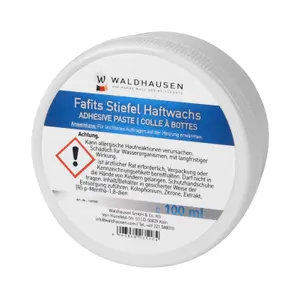
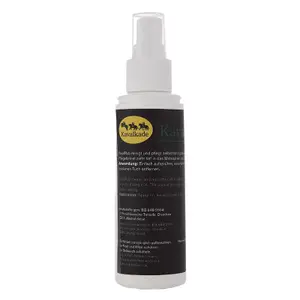
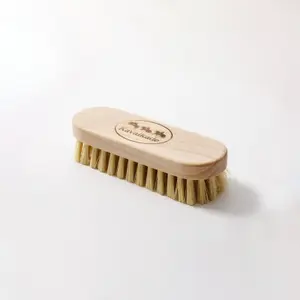
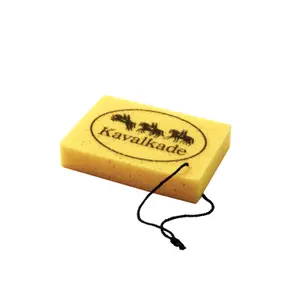
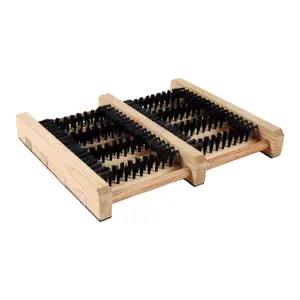
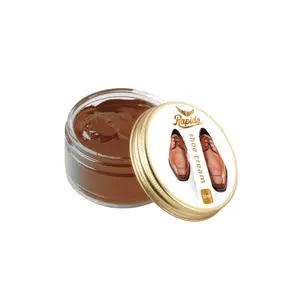
The Care page for the rider's shoes brings together products and the right actions to take care of boots, ankle boots, and mini chaps, from cleaning after the session to repairs, like the Fafits boot glue from Waldhausen, a company from Cologne established in 1836, which reattaches soles and reinforcements before the detachment spreads.
Well-maintained boots last for years.
Clean after each session
The mud, manure, and sweat from the horse can damage the leather if they dry on it. After each session, brush the boots to remove dirt, then wipe them with a barely damp sponge. A glycerin soap, used in small amounts, cleans the leather without drying it out. Focus on the inside of the calf, which is most affected by the horse's sweat and the rubbing of the stirrup leathers, and on the ankle, where the leather bends with each step. The soles should be cleaned with a stiff brush to maintain their grip on the stirrup, and the boots should be treated just like high boots.
Condition and protect the leather
Once clean and dry, the leather should be conditioned with a suitable balm or grease, applied in a thin layer with a cloth, to keep it supple and water-resistant. The frequency depends on use: a pair worn daily in the rain requires more care than a pair reserved for competitions. A polish in the colour of the boot restores its shine before an event. Synthetic leather boots only need a damp cloth, as the greases do not penetrate. The zippers, often located at the back of the boot, should be cleaned of dust and lubricated from time to time to prevent them from sticking.
Drying, storing, and repairing
Wet boots should dry in the open air, away from a radiator or fire, as that can crack and shrink the leather. Inserting newspaper inside, changed every few hours, speeds up the drying process. For storage, shoe trees or boot shapers keep the shaft straight and prevent creases from forming around the ankle; a boot bag then protects them from dust. The boot glue Fafits from Waldhausen repairs a detached sole or reinforcement: clean and dry both surfaces, apply the glue, then hold under pressure, before water seeps in and the damage worsens.
The rest of the footwear
Boots, mini-chaps, accessories can be found on the footwear page. The suede mini-chaps should be brushed dry, with a suede brush, instead of getting them wet.
New arrivals and good deals
The new arrivals feature the latest collections, the promotions show discounted items, and the clearance and sales highlight end-of-line products. Items shipped in 24h are prepared and dispatched within 24 hours.
Frequently asked questions
Should riding leather boots be waterproofed?
A waterproofing spray or grease, applied to clean and dry leather, helps the boot resist rain and dew from the arena. Repeat the process after a few cleanings, without saturating the leather, which needs to continue breathing.
Does glycerin soap damage the leather?
No, when used in small quantities, it cleans the leather without drying it out. However, excess can leave a sticky film: rinse the sponge and wring it out well before using it on the boot.
How to remove white marks from boots?
These stains come from the horse's sweat or hard water. Rub with a sponge dampened with slightly vinegar-infused warm water, let dry in the air, then condition the leather to restore its suppleness.
How to soften new riding boots?
Wear them first for a few hours while walking, then during short sessions, so the leather moulds to your ankle. A nourishing balm applied to the creases will soften the shaft; avoid water and heat, which can deform the leather.
How to care for suede or nubuck boots?
These velvet leathers should not be greased: brush them dry with a suede brush, remove stains with a special eraser, and protect them with a suitable waterproofing spray. Let mud dry before brushing it off.






