
adidas for young runners


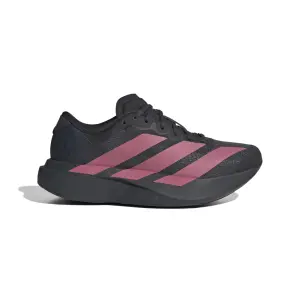
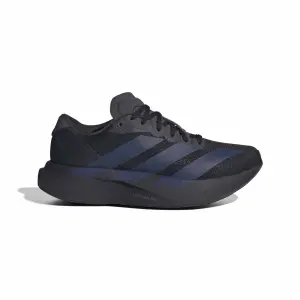
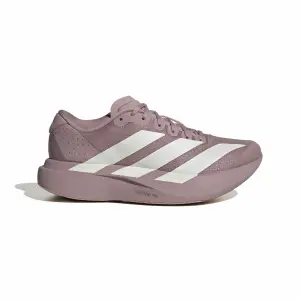
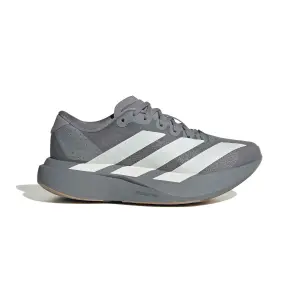
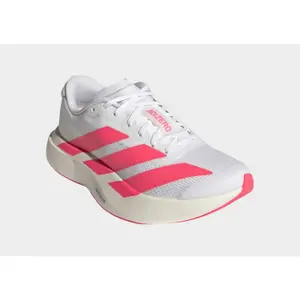


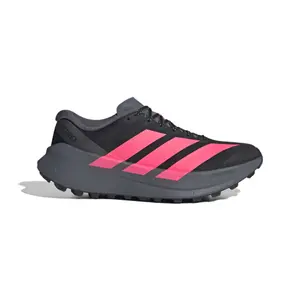

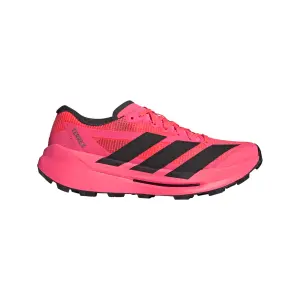


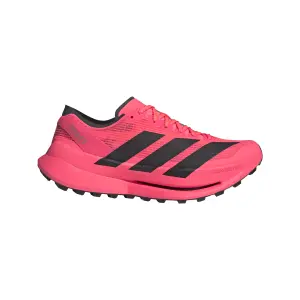


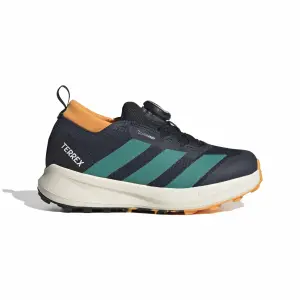
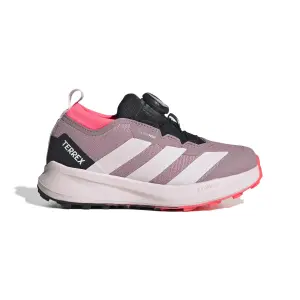
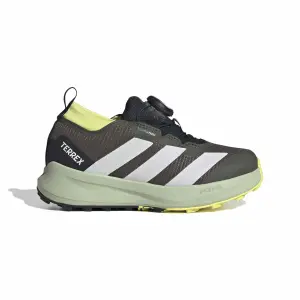
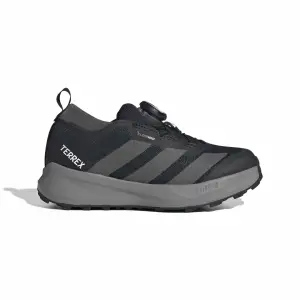

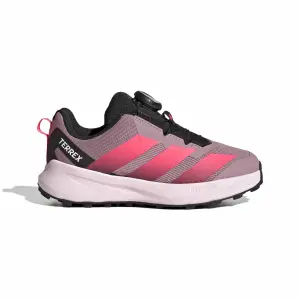
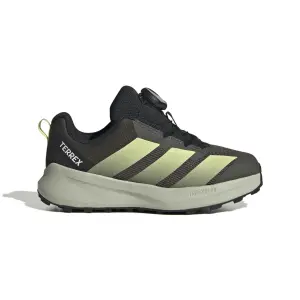
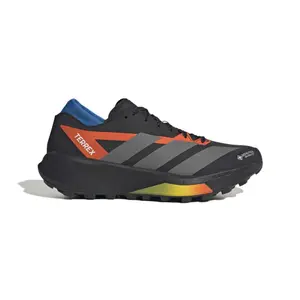


The adidas junior running page brings together the running shoes of the brand with the three stripes for children, from cross country to PE and including athletics clubs.
Lightweight and easy-to-slip-on shoes for running from a young age.
Shoes suitable for children
A child's foot is growing, more flexible and wider at the front than an adult's. Their running shoes should be light, flexible at the forefoot, and well-cushioned without being excessive. The kids' models from adidas, like the Duramo or the Runfalcon, are built on a suitable last, with a durable rubber sole for both the playground and the track.
Velcro, elastic laces or traditional laces
For the little ones, Velcro or elastic laces allow them to put their shoes on by themselves, which is a plus at school and in clubs. Older kids switch to traditional laces, which provide a better fit. Shoes should be chosen based on the foot's length measured while standing, leaving about a centimetre of space in front of the toes for growth, without going overboard: shoes that are too big can cause tripping.
When to change shoes
Children often change shoes due to size before wear and tear: check the size every three to six months for younger ones. A shoe with a crushed heel or a smooth sole also needs replacing. Adult carbon plate shoes are not suitable for children, as their stride and tendons are still developing.
The rest of junior running
Young runners can also find their running shoes, trail shoes, clothing, and selections from Asics, Puma, Under Armour, on the junior page.
New arrivals and good deals
The new arrivals feature the latest releases, the discounts showcase items at reduced prices, and the items shipped within 24 hours are prepared and dispatched in 24 hours. The good deals, the clearance, the sales, and the Black Friday have their running page.
Frequently asked questions
Which adidas shoe for cross-country or PE?
A light model, flexible at the forefoot and well-cushioned without being excessive, like the Duramo or the Runfalcon. Their durable rubber sole grips well both on the track and in the playground, and can withstand the heavy use by children.
Velcro or laces: which lacing for a child?
Velcro is suitable for the younger ones, who can put on their shoes by themselves in the changing room. Elastic laces keep a consistent tightness without knots coming undone. Traditional laces, around eight or nine years old, provide the most precise fit for running fast.
How to check a child's shoe size?
Measure the foot while standing, at the end of the day, and add about a centimetre of allowance for growth and activity. With a thumb placed at the front of the shoe, the space should be about the width of an adult's finger.
Every how often should a child change their running shoes?
A child's foot grows quickly: check the size every three to four months. A worn sole on one side or a misshapen upper also warrants a change, even if the size still fits.
Can you pass down an older sibling's running shoes to a younger sibling?
It's not recommended if they have been worn a lot: the sole and cushioning have compressed according to the older child's gait. However, a pair that has been lightly used and is in good condition is still quite usable.






