
Running news
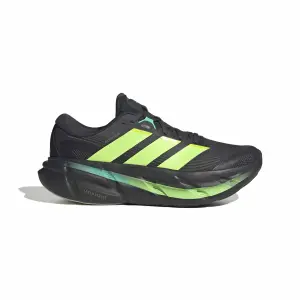


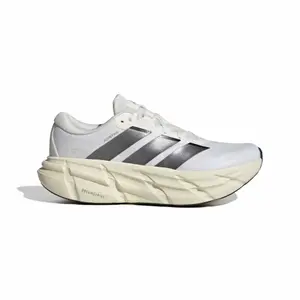
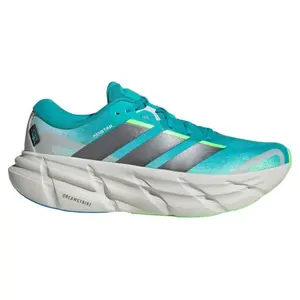
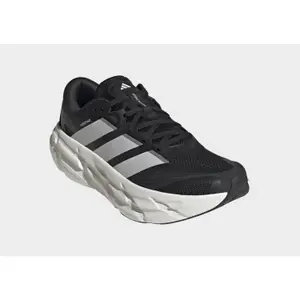
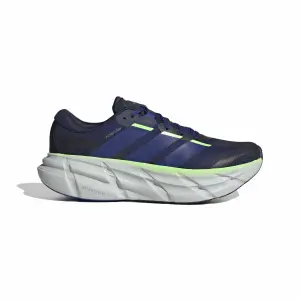
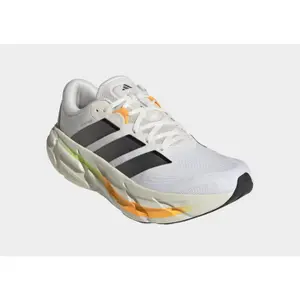
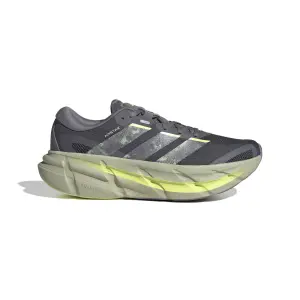
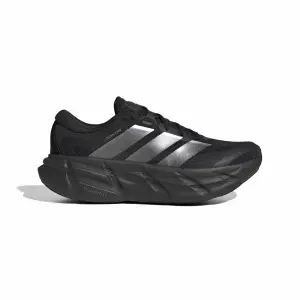
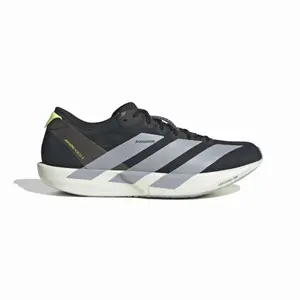

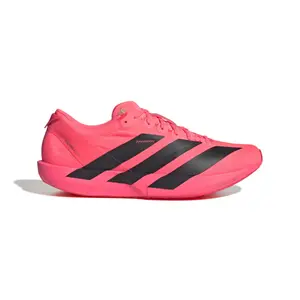
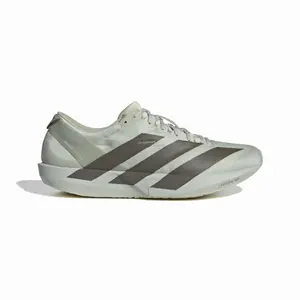

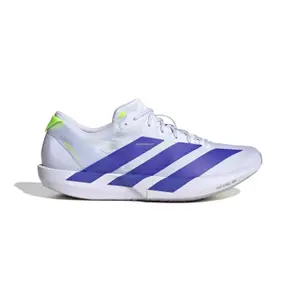

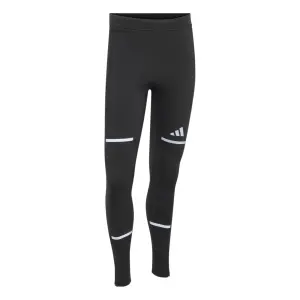
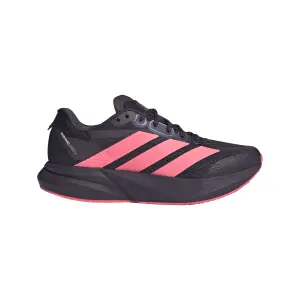


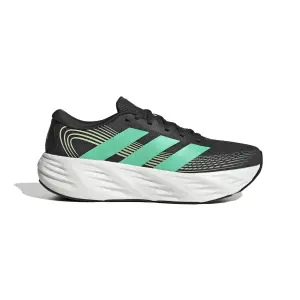
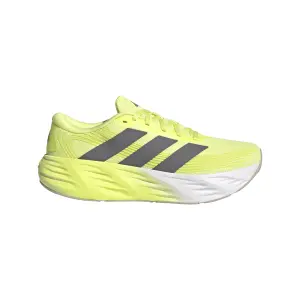
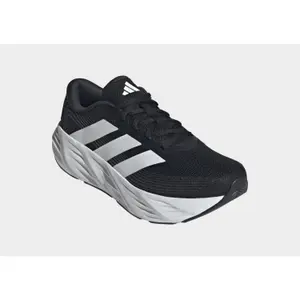
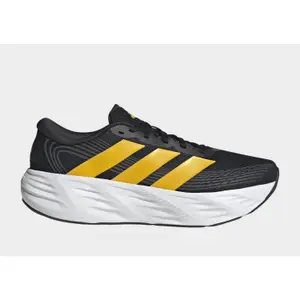
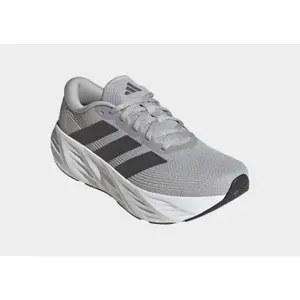
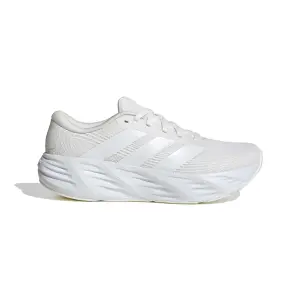
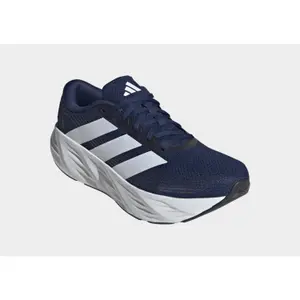
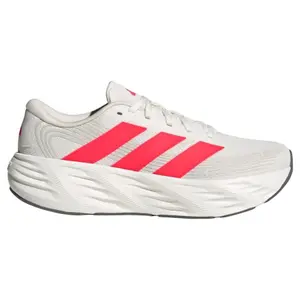
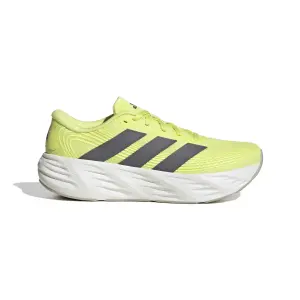
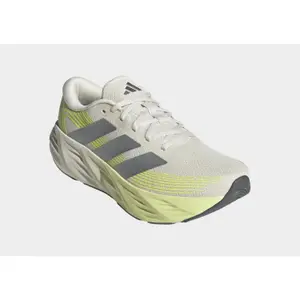
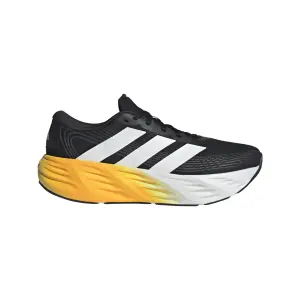
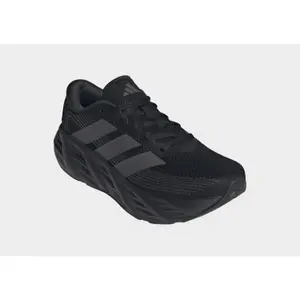
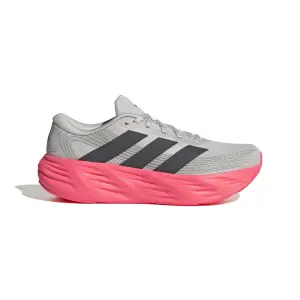
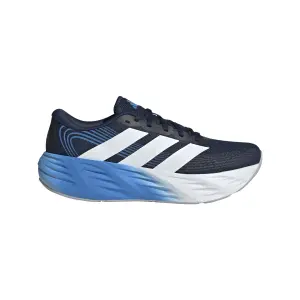
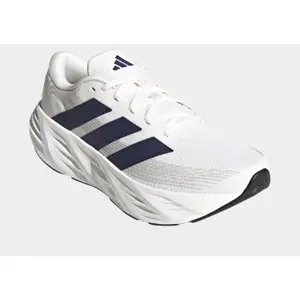
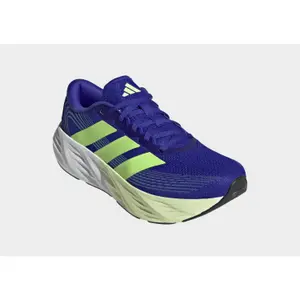
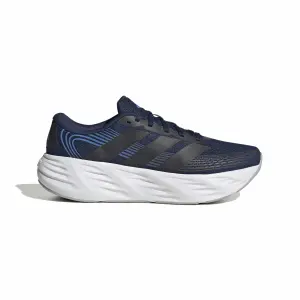
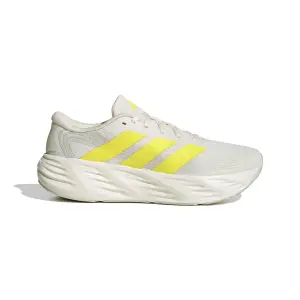
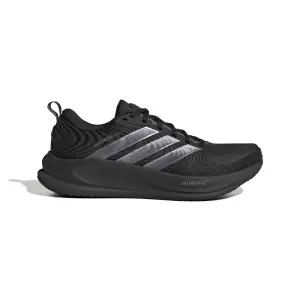
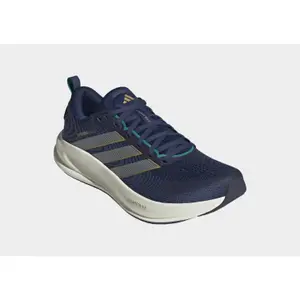
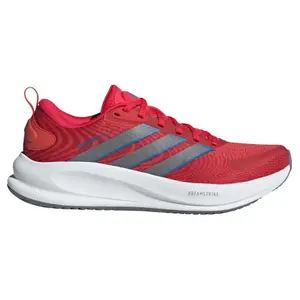
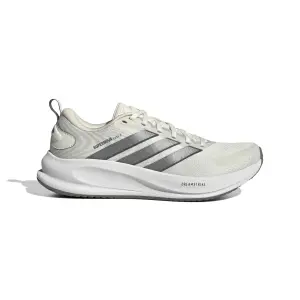


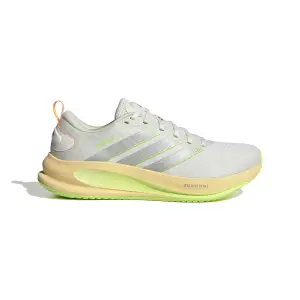
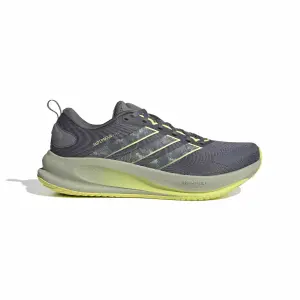
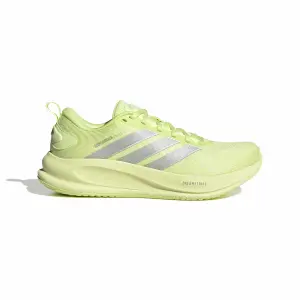

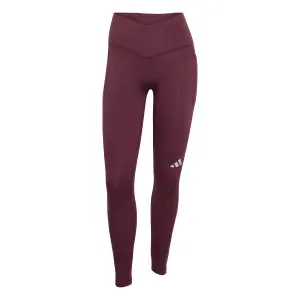
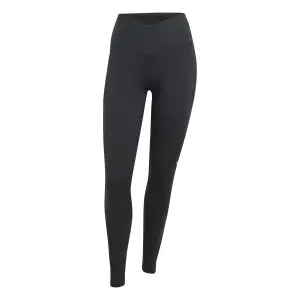
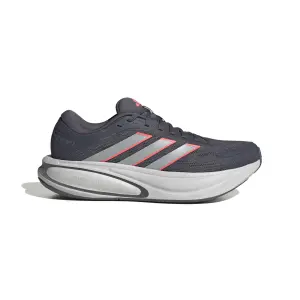


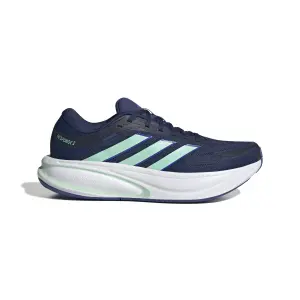
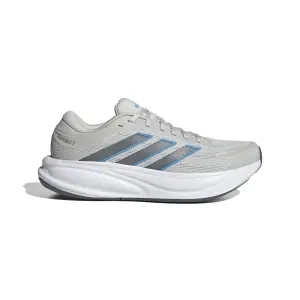

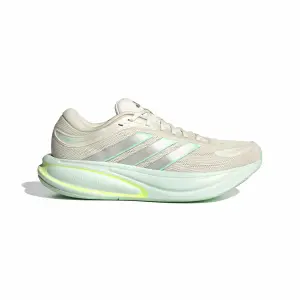


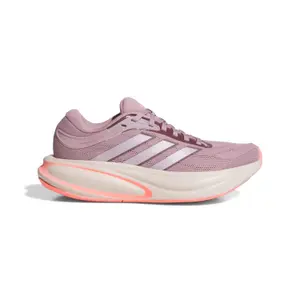


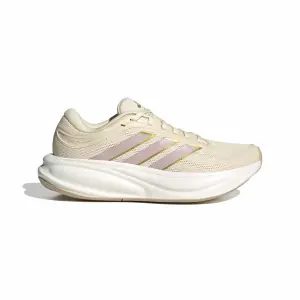

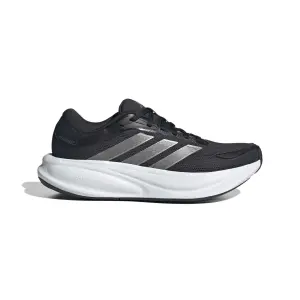
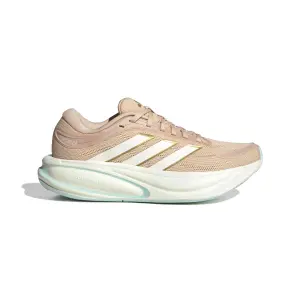
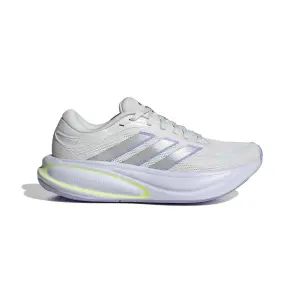


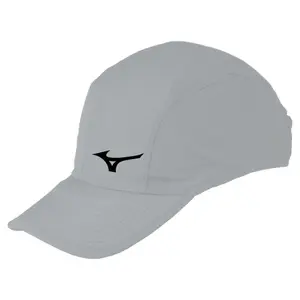
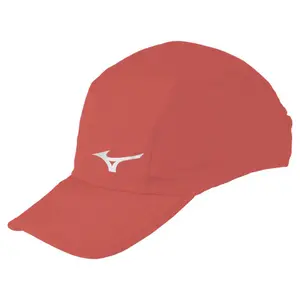


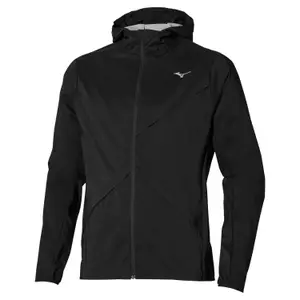
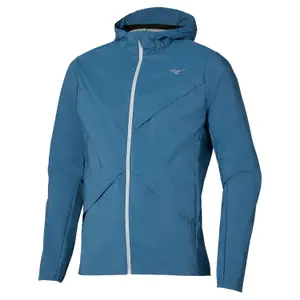
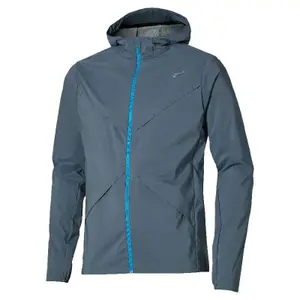
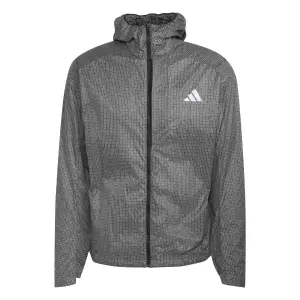
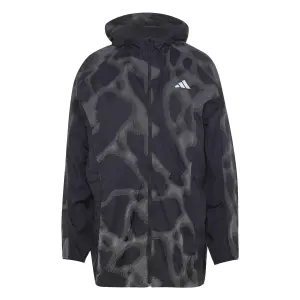
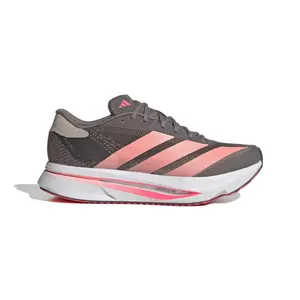


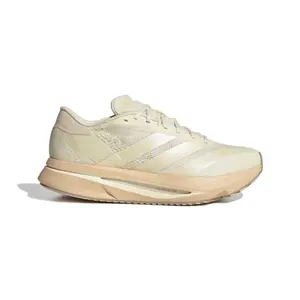


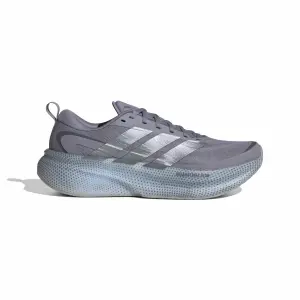

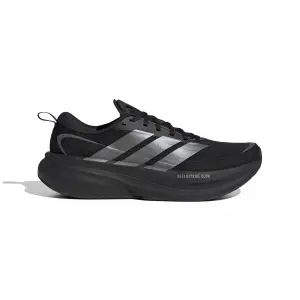
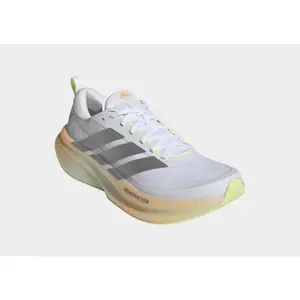
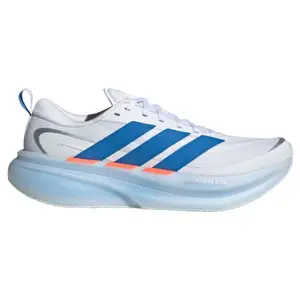
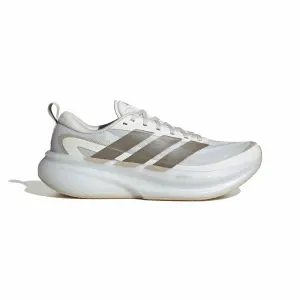


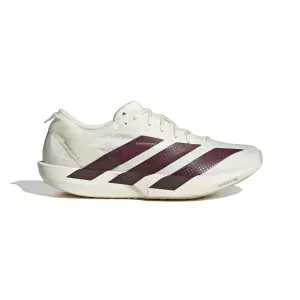
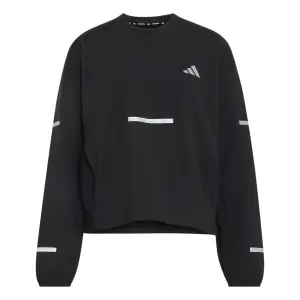
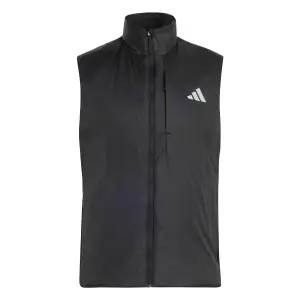
The Latest running items showcase the newest road and trail shoes, clothing and running accessories as they arrive.
A new version isn't always just a colour change: here's how to understand what's different.
What changes from one version to another
Running shoes evolve through successive versions, often each year, keeping the same name. The changes focus on three elements. The foam of the midsole first, which determines cushioning and responsiveness. The geometry next: sole height, drop, width of the platform, and curvature of the forefoot, which alter the feel of the roll. The upper finally, where the mesh, heel support, and shape of the forefoot affect the fit.
A version can thus be just a tweak of the upper or a complete overhaul of the sole. A runner loyal to a model should check the drop and weight stated before ordering the new version, as a change in drop of just a few millimetres can alter the sensations and engage the calves differently.
Foams and plates: the evolution of cushioning
For decades, soles relied on EVA, a reliable foam that compresses over the kilometres. Recent foams, made from TPU or PEBA, are lighter and return more energy with each stride. Initially reserved for competition shoes, they now equip training models, sometimes coupled with a firmer foam for added durability.
Plates made of carbon or composite materials have also spread from marathon shoes to faster training models quick. They stiffen the sole and guide the roll, at the cost of increased engagement of the calves. The shoes can be found in both men's shoes and women's shoes.
Running textiles and accessories
Running textiles are evolving too: finer and more breathable meshes, heat-sealed seams that reduce friction, and recycled materials. GPS watches are gaining autonomy and training features from one generation to the next. Textiles are available in men's textiles and women's textiles, accessories can be found in equipment, and youth gear is in the junior category.
Other running entries
The brands help you find a manufacturer whose sizes you know, the promotions offer previous versions at discounted prices, and the items shipped in 24h are prepared and dispatched within 24 hours. The good deals, the clearance, the sales, and the Black Friday all have their running page, and the entire universe is on the running page.
Frequently asked questions
Should I buy the latest version of my running shoe?
Not necessarily: the new version may change the foam, geometry, or upper of a model that suits you. Try it before adopting it, or enjoy the previous version as long as it is available.
What does a plate do in a running shoe?
A rigid plate, made of carbon or composite, stiffens the sole and guides the foot's roll. Paired with a very responsive foam, it returns energy at a quick pace and is especially suited for races and speed sessions.
What is the drop of a running shoe?
The drop is the height difference between the heel and forefoot. A high drop relieves the calves, a low drop encourages a mid-foot strike, and any change in drop should be gradual.
How do I choose my first pair of trail shoes?
A trail shoe is distinguished by more pronounced lugs, a reinforced upper, and often a toe protection. To start on varied trails, a versatile model with cushioning and medium lugs is suitable.
How do I break in new running shoes?
Current running shoes require little break-in, but avoid debuting them on an important race. Two or three short outings are enough to check the fit and identify any potential friction points.






