
Runner's electronics
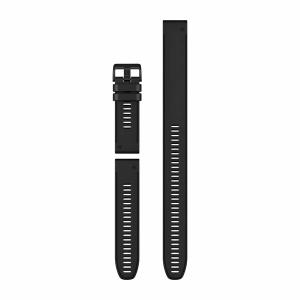
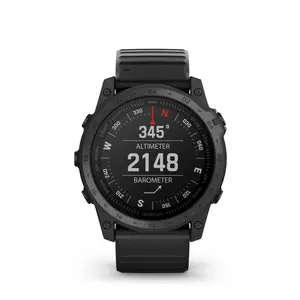
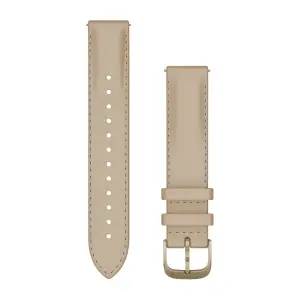
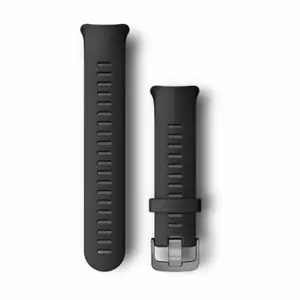
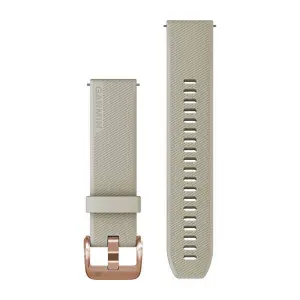
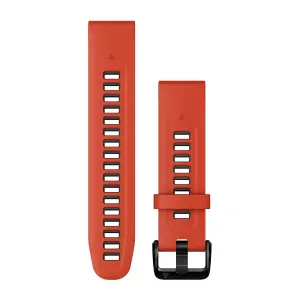
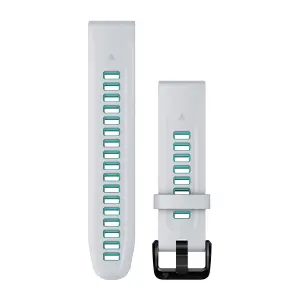
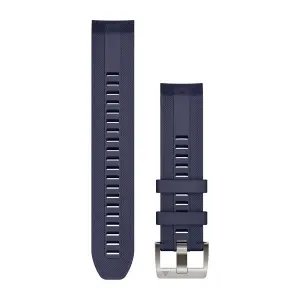
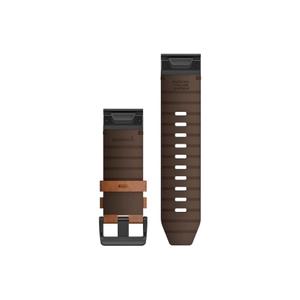
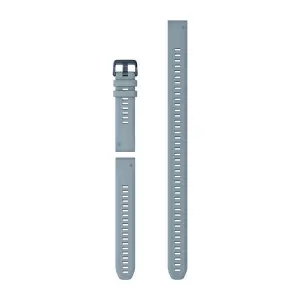
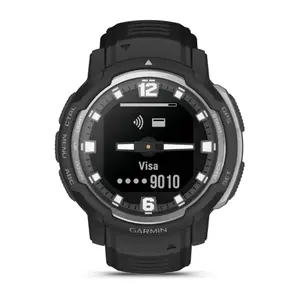
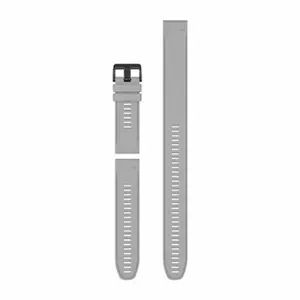

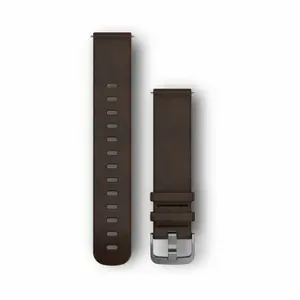
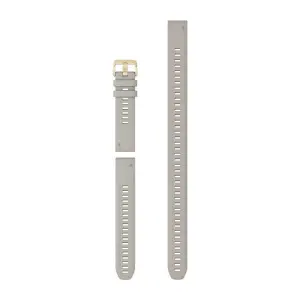
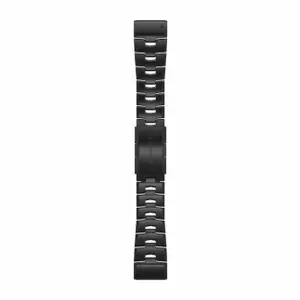
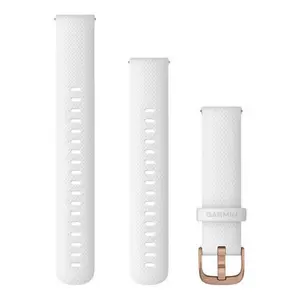
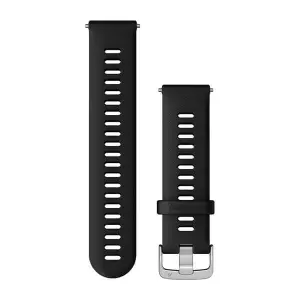
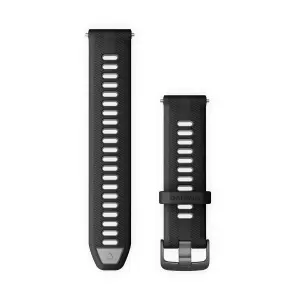
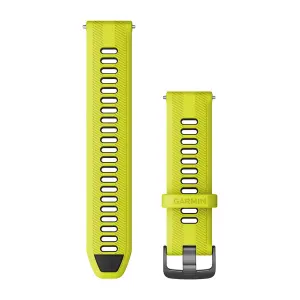
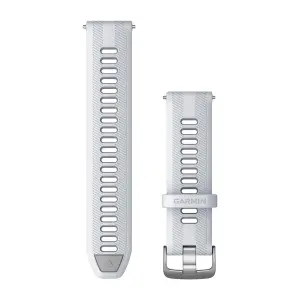
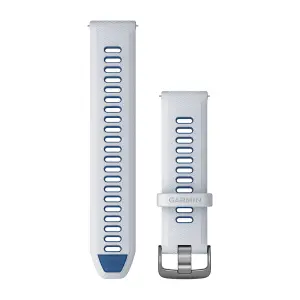
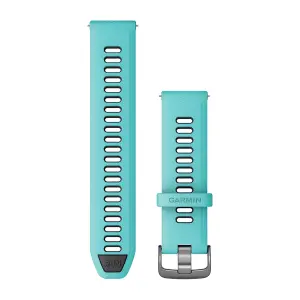

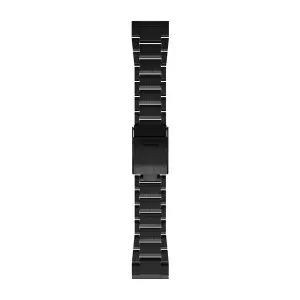


The Electronics page for running brings together GPS and connected watches Garmin, their bands and charging cables, as well as bone conduction headphones for running and swimming. Forerunner for road running, Instinct for the outdoors, fēnix and Enduro for ultra and mountain, Vívoactive for everyday use: each range caters to different activities and battery lives.
Screen, heart rate monitoring, battery life: the criteria that really set one watch apart from another.
Forerunner, Instinct, fēnix, Enduro: which Garmin range for which runner
Garmin, founded in 1989 in Kansas, launched the first GPS running watch in 2003 with the Forerunner range, which is still for road runners: pace, training plans, load and recovery measurement. The Instinct, introduced in 2018, features a reinforced polymer case tested to US military standards, designed for trails and outdoor outings. The fēnix, born in 2012, adds mapping and high-end materials like sapphire glass, while the Enduro focuses on extreme battery life for ultra-trail. The Vívoactive, slimmer, targets everyday sports tracking.
AMOLED or transflective screen: readability and battery life
An AMOLED screen displays vibrant colours and high contrast, very readable indoors or under a headlamp; it consumes more, especially when set to permanent display. A transflective memory-in-pixel screen reflects ambient light: the sunnier it is, the better it reads, and its very low consumption allows weeks of battery life in watch mode. Coupled with the Power Glass from the Solar versions, which captures light to recharge the battery, it allows the Instinct and some fēnix models to last a long time between charges.
Wrist optical sensor or chest strap
The optical sensor in Garmin watches measures heart rate through the skin using light diodes: it’s enough for endurance, sleep tracking and heart rate variability. It loses accuracy when the rate changes suddenly, during short intervals or uphill, and when the watch moves on a wet wrist. The chest strap detects the electrical activity of the heart without delay, transmitting the measurement via ANT+ or Bluetooth: it remains the reference for threshold training. For the optical sensor to work well, the watch should be worn snugly, one finger above the wrist bone.
Music, bone conduction and QuickFit bands
The Music versions of the Forerunner store tracks and podcasts for running without a phone, using Bluetooth headphones. The bone conduction Shokz OpenSwim Pro headphones transmit sound through the cheekbones, keeping the ears open: waterproof to IP68 standards, they feature thirty-two gigabytes of memory and thus also work in the pool, where Bluetooth does not function underwater. Regarding bands, the QuickFit system from Garmin comes in widths of 20, 22 and 26 millimetres and can be changed without tools, as long as you choose the width that matches your case.
New arrivals and good deals
The new arrivals showcase the latest releases, the discounts feature previous models at reduced prices, and the articles shipped in 24h are prepared and sent within 24 hours. The good deals, clearance, sales, and Black Friday have their own running page.
Frequently asked questions
Which Garmin watch for starting running?
A basic Forerunner will suffice: it measures pace, distance and heart rate, and offers guided training plans. Advanced features, mapping or solar charging, only become useful with long outings or in the mountains.
How long does the battery of a GPS Garmin watch last?
This varies from a few days of intensive use for an AMOLED screen to several weeks in watch mode for a solar transflective screen. Continuous GPS, music and permanent display are the functions that drain the battery the fastest.
Can you swim with a Garmin watch?
Most running and multisport models are water-resistant and offer a swimming mode, both in the pool and open water. Check the waterproof rating of your model and avoid pressing the buttons underwater.
Does a GPS watch work without a phone?
Yes, the watch captures the satellite signal itself and records the outing without a phone. The smartphone is then used to sync the data in the app and receive notifications, but it’s not necessary for running.
Which Garmin watch for triathlon?
You need a multisport mode that combines swimming, cycling and running in the same session, including transitions. The high-end Forerunners and fēnix offer this, with tracking for swimming in both pool and open water.






