
Men's trail shoes


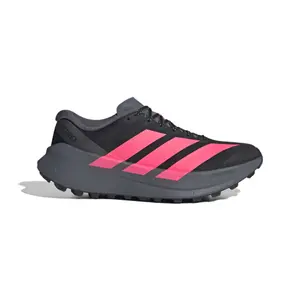
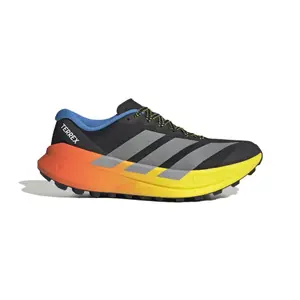
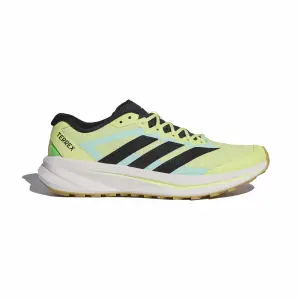


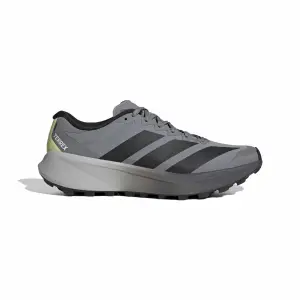


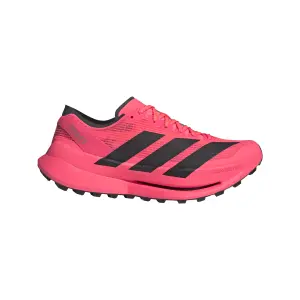


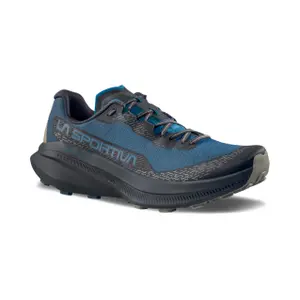
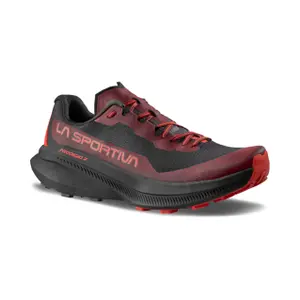
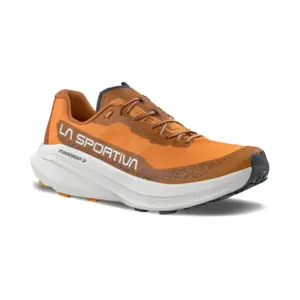
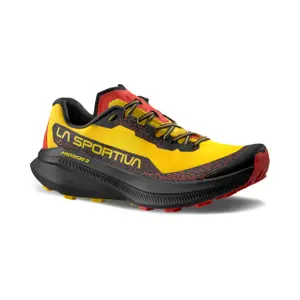
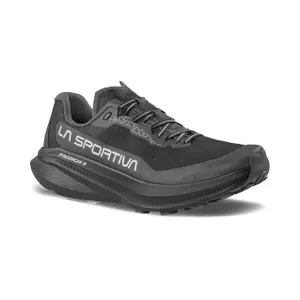


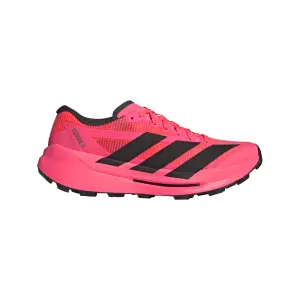


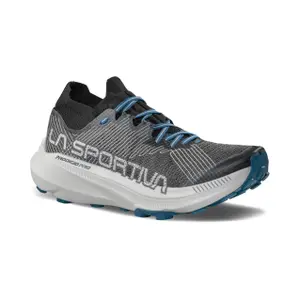
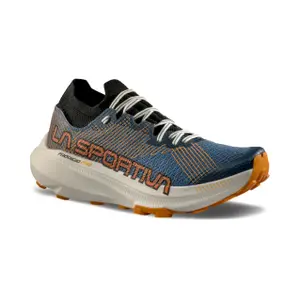


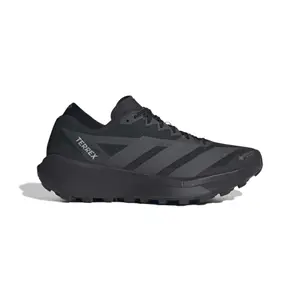

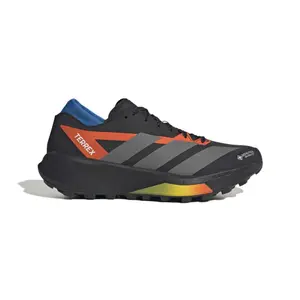
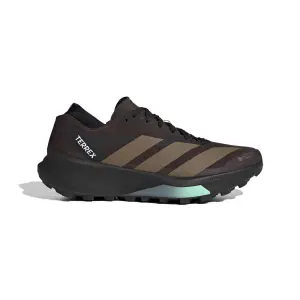
The men's trail running shoes page brings together running shoes nature designed for trails, mountain paths, and long distances off the road. Grippy soles for mud or rock, protective plates, draining or waterproof uppers: each model is tailored for specific terrain and duration of effort, from a one-hour outing in the woods to ultra-trail.
Traction, protection, and support: what sets a trail shoe apart from a road shoe.
Depth and shape of lugs according to the terrain
The sole is the first criterion of a trail shoe, as it determines the grip. On dry paths and rolling trails, lugs of three to four millimetres, numerous and close together, provide a large contact surface and remain comfortable on road sections. In mud and thick grass, lugs of five millimetres or more, spaced apart and in a chevron shape, bite into the ground and shed dirt with every step. The rubber is just as important as the design: a soft mix grips on wet rock but wears out faster, while a hard mix lasts longer and has less grip on damp surfaces.
Rock plate and cushioning: protecting the foot for the long haul
On a rocky trail, the sole of the foot absorbs each sharp stone. A rock plate, a thin flexible sheet placed between the sole and the foam, distributes these pressures and prevents bruising, at the cost of some ground feel. The front of the upper features a toe cap made of rubber that absorbs shocks against roots. The level of cushioning is chosen based on duration: a low, firm sole keeps the foot stable and precise on technical trails of less than two hours, while a thick sole reduces muscle fatigue beyond four or five hours of running.
Waterproof membrane or draining upper: the choice depending on the weather
A waterproof membrane upper is justified for winter outings, in slushy snow, dew, and shallow puddles: the foot stays dry and warm as long as water doesn't enter through the collar. As soon as you need to cross a stream or run in steady rain, this protection works against the runner, as the water that has entered cannot escape and the shoe becomes heavier. A draining upper made of open mesh allows water to escape and dries within a few kilometres, making it more comfortable from late spring to autumn. The membrane also makes the shoe warmer, which is a disadvantage in the height of summer.
Sizing and lacing for descents
During descents, the foot slides forward with each step: a shoe that is too tight causes toes to hit the front and can make nails turn dark. The correct size leaves about one centimetre between the big toe and the toe box, with the heel remaining locked at the back. The fitting should preferably be done at the end of the day when the foot has swollen, with running socks. The lacing is tightened especially at the instep, and the last eyelet allows a locking knot that prevents the heel from lifting. Men's shapes are bulkier: a narrow foot will look for a model with a precise fit, while a wide foot will need a version with a wider forefoot.
Drop and weight: two figures to check before buying
The drop measures the height difference between the heel and the forefoot. Between eight and ten millimetres, it relieves the Achilles tendon and is suitable for runners used to road shoes; between zero and four millimetres, it encourages midfoot striking but requires gradual adaptation from the calves. The weight of a men's trail shoe varies from around two hundred and fifty grams for a fast running model to over three hundred and fifty grams for a highly protective shoe. A lightweight model is suited for short distances, while a heavier but sturdier model is better for long days in the mountains.
New products and good deals
The new products showcase the latest releases, the special offers feature previous versions at reduced prices, and items shipped in 24h are prepared and dispatched within 24 hours. The good deals, clearance, sales, and the Black Friday all have their running page.
Frequently Asked Questions
Which trail shoe should I choose to get started?
A versatile shoe, with medium lugs and generous cushioning, covers most first outings, from forest paths to hill trails. Very technical models, firm and heavily lugged, should be reserved for mountains or muddy terrains.
Can you run on roads with trail shoes?
Yes, to reach a trail or for a few kilometres, but asphalt quickly wears out lugs and soft rubbers. The cushioning, often firmer than in road shoes, also becomes less comfortable on long tarmac runs.
How many kilometres do trail shoes last?
They generally last between six hundred and a thousand kilometres, depending on the runner's weight, the hardness of the rubber, and the terrains used. Rounded lugs, compressed foam, or a perforated upper indicate it's time for a replacement.
Which trail shoes for an ultra?
To run for more than ten hours, you need thick cushioning, a wide enough forefoot to accommodate a swelling foot, and solid protection against stones. A slightly higher weight is the price of this comfort, which is most noticeable towards the end of the race.
How to clean muddy trail shoes?
Let the mud dry, then brush it off, or rinse the upper with warm water using a soft brush. Remove the insoles, stuff the shoe with newspaper, and let it dry in the air, never in a tumble dryer or against a radiator.






