
Men's running shoes


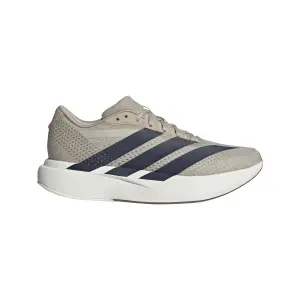
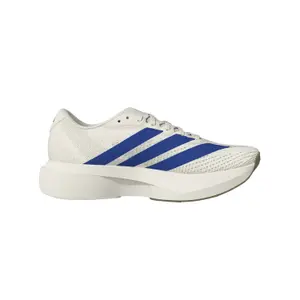


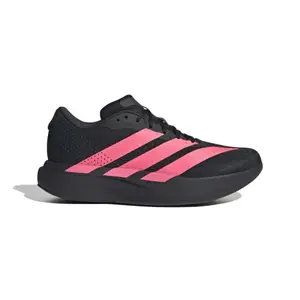
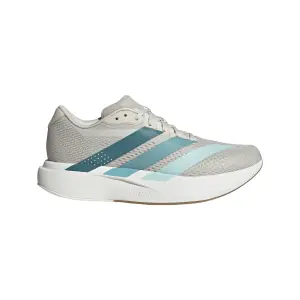
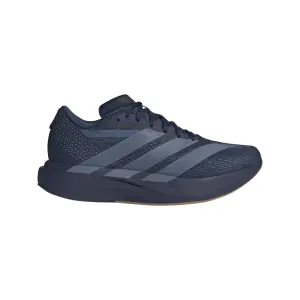


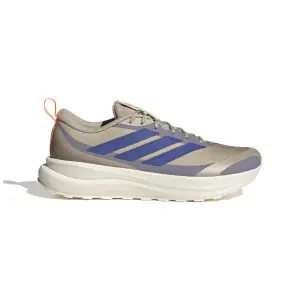


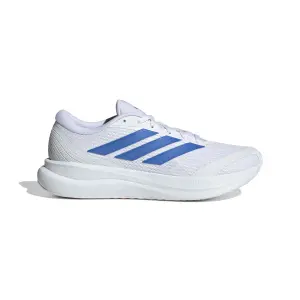
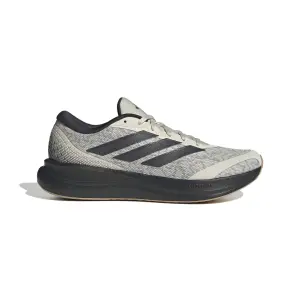

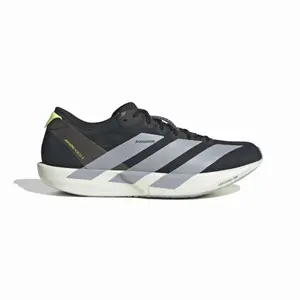
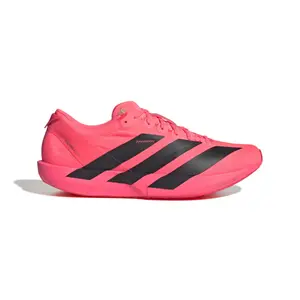
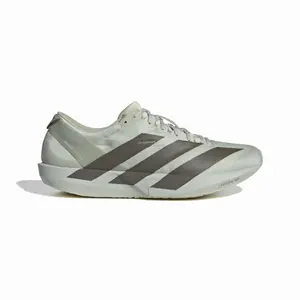

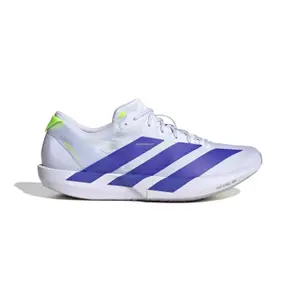


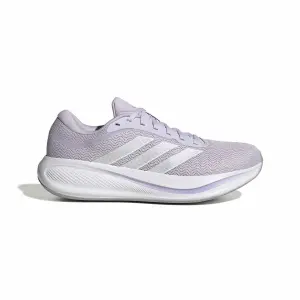


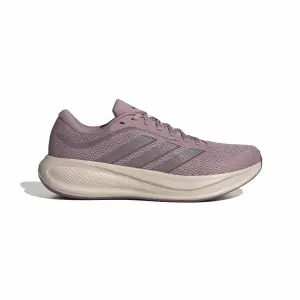
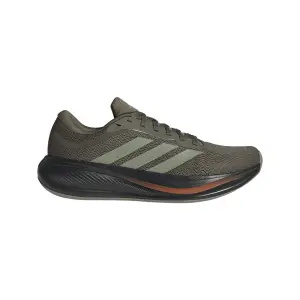

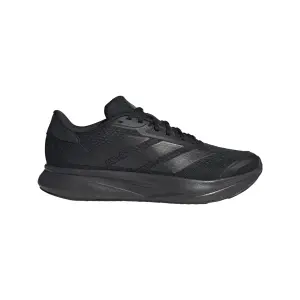
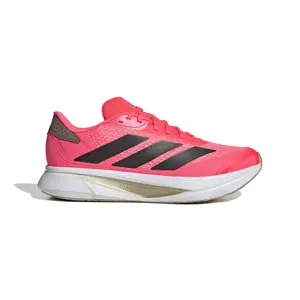


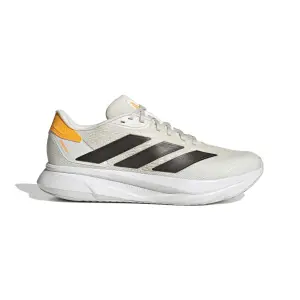


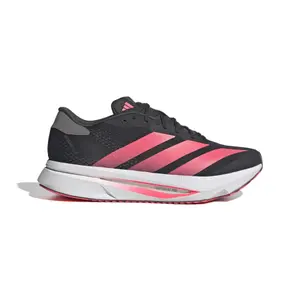


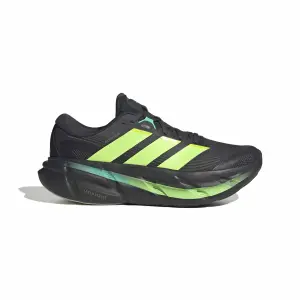

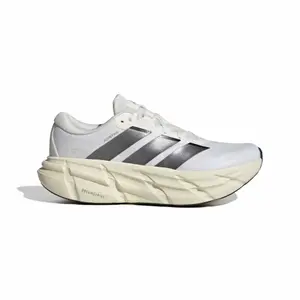
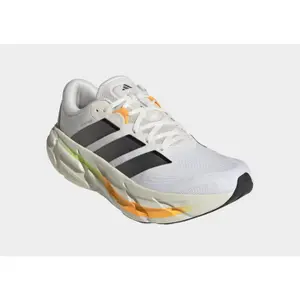
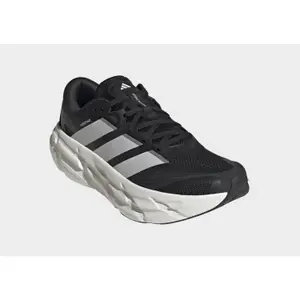
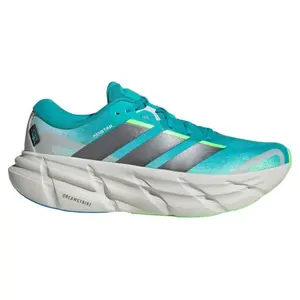
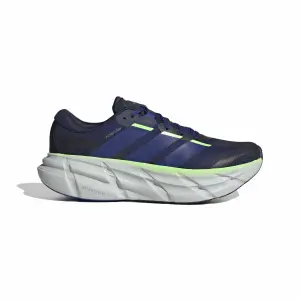
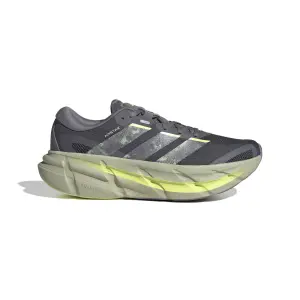
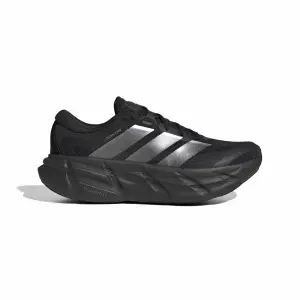

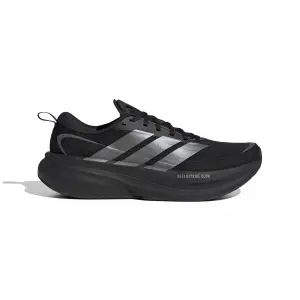
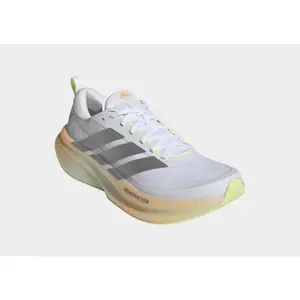
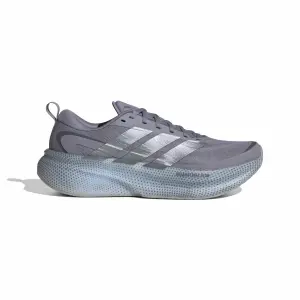
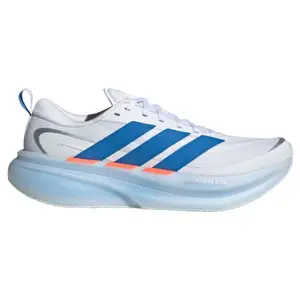
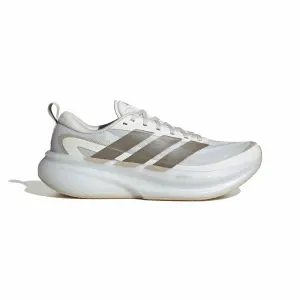


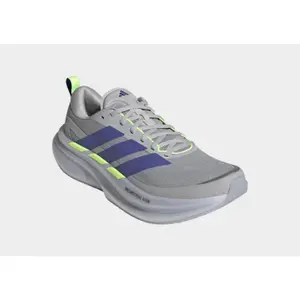
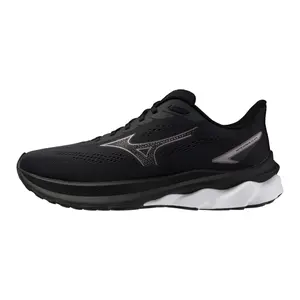
The Men's Running Shoes include road, trail and off-road models, from adidas, Asics, Nike, Puma, Mizuno, Topo Athletic or Skechers, ranging from recovery shoes to marathon models.
A running shoe is first chosen based on its purpose: training, speed sessions, competitions or trails.
Four families based on use
The first family is that of everyday training shoes, versatile and durable, built to handle the essential miles: the adidas Runfalcon, Duramo, Galaxy, or Questar are the accessible versions, suitable for getting back into running and casual jogs. The second includes maximalist shoes, with very thick soles, like the Nike Vomero, the adidas Hyperboost, or the Skechers Max Cushioning, designed for the comfort of long outings.
The third family, more recent, is that of super trainers: training shoes that incorporate the very responsive foams from running models, without a rigid plate. The Asics Superblast, with its FF Turbo foam, and the adidas Adizero Evo SL are examples that can handle both casual runs and quick sessions. Finally, the fourth group includes competition shoes with plates, such as the adidas Adizero Adios Pro or the Puma Deviate Nitro, lightweight and very dynamic, meant for races and key sessions.
Stride, stability, and width
Most runners do well in a so-called neutral shoe, without specific support. Stability models add a wider sole or elements that limit the collapsing of the arch, which are helpful for runners whose feet collapse inward at the end of a run. The comfort felt at the first try is the best indicator, much more reliable than a sole stride diagnosis.
Width is just as important as length. Topo Athletic, for instance, builds its shoes on a wide last at the forefoot, allowing the toes to splay naturally upon impact, with a moderate drop. Runners with wide feet, or those suffering from bunions or toe compressions, often find a comfort that no larger size in a narrow last can provide.
Shoe size and fitting
A running shoe is generally taken a half size to a full size larger than the casual shoe size, to leave the equivalent of an inch of space in front of the longest toe. The foot swells during exercise, and toes that hit the end of the shoe on descents can end up with bruised nails. The fitting should be done at the end of the day, with running socks.
The heel should remain secure without rubbing, and the lacing should be snug without constricting the instep. The so-called loop lacing, using the last eyelet, better secures the heel for narrow feet. A new shoe should be broken in over two or three runs before a race.
Road, path, or trail
Road shoes have a smooth or slightly textured sole, optimized for asphalt. Road and path models, like the ATR or TR versions of the Runfalcon, add shallow lugs that grip on stabilized trails and parks without hindering performance on pavement. Trail shoes take it further, with deeper lugs, stone protection, and often a more durable upper.
A shoe lasts on average between 600 and 800 kilometers for a training model, less for a competition shoe. Keeping track of the mileage helps to replace it before the cushioning breaks down.
All men's shoes
The selection is organized by terrain and by brand:
- Road and path, for asphalt, parks, and easy trails.
- Trail, for technical trails and mountainous terrain.
- adidas, from the Runfalcon to the Adizero Adios Pro.
- Mizuno, with its wavy plate soles.
- Under Armour, for versatile training models.
- Puma, featuring the Deviate Nitro range.
- Asics, from the Novablast to the Superblast.
The women's shoes, men's textiles, women's textiles, the junior category, equipment, and brands complete the universe, on the running page.
New arrivals and good deals
The new arrivals showcase the latest versions, the promotions feature previous versions at reduced prices, and items shipped in 24h are prepared and dispatched within 24 hours. The good deals, clearance, sales, and Black Friday have their running page, and the year follows a consistent order: Black Friday, year-end holidays, winter sales, then French Days in spring.
Frequently asked questions
What shoe size should I get for a men's running shoe?
Generally, a half size to a full size larger than the casual shoe size, to keep about an inch of space in front of the longest toe. The foot swells during exercise: the fitting should take place at the end of the day, with running socks, and the heel should be well anchored.
Which running shoe should I choose if I weigh 90 kilos or more?
A heavier runner compresses the foam more: it's better to choose a thick and firm sole that doesn't crush, like the Nike Vomero or the adidas Hyperboost, and to monitor wear more closely. Alternating between two pairs also allows the foam to regain its thickness.
What is a super trainer and who is it for?
It's a training shoe that incorporates the very responsive foams from racing models, without a rigid plate, like the Asics Superblast and its FF Turbo foam or the adidas Adizero Evo SL. It can handle casual runs and quick sessions with just one pair.
How many kilometers does a running shoe last?
A training model lasts on average between 600 and 800 kilometers, while a competition shoe lasts less. Keeping track of the mileage helps replace it before the cushioning fails and the legs take on more impact.
What running shoe is best for a wide foot?
A wide last at the forefoot, like that of Topo Athletic, allows the toes to spread upon impact, with a moderate drop. Runners with bunions or compressed toes often find a comfort that no larger size provides in a narrow shape.






