
Rugs / Pads for the horse
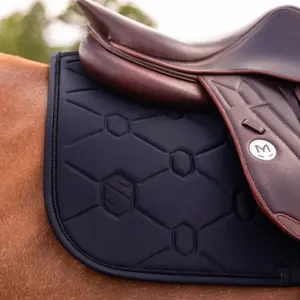

Starting at €122.00
€102.94
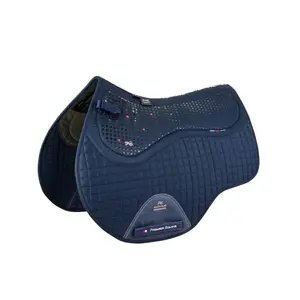
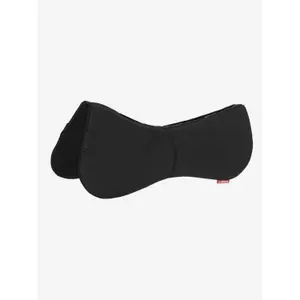
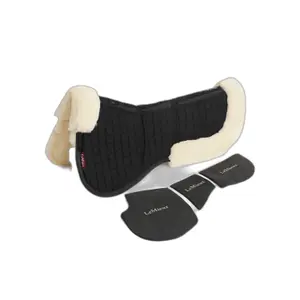
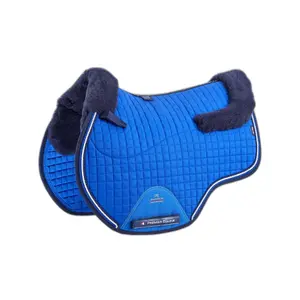
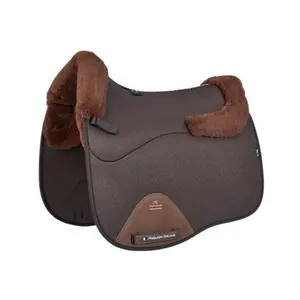
Starting at €124.00
€111.35
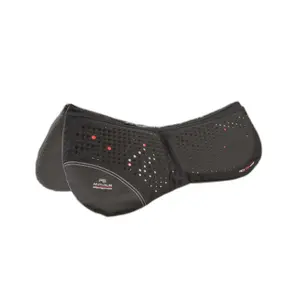
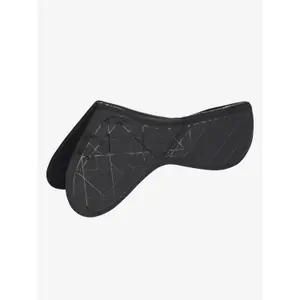
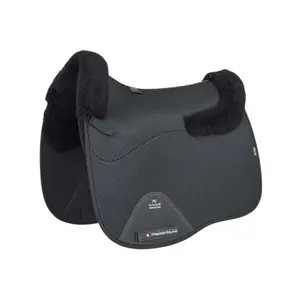
Starting at €124.00
€111.35
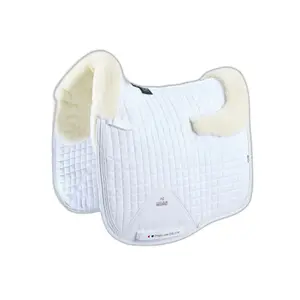
Starting at €122.00
€102.94
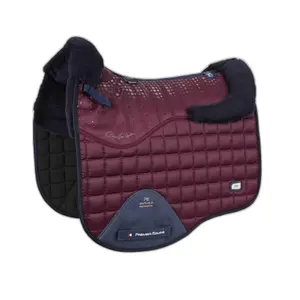
Starting at €139.00
€123.31
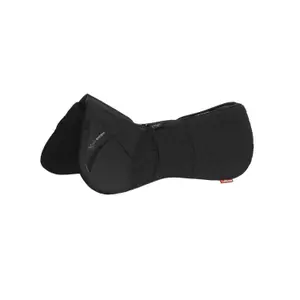
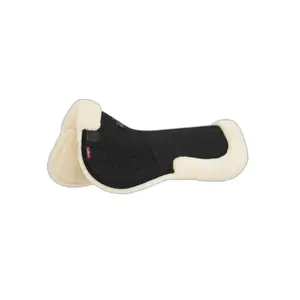
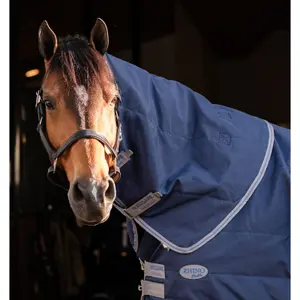
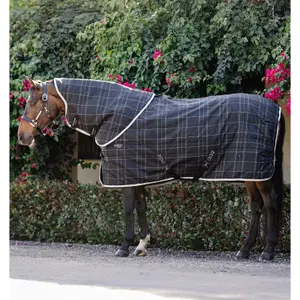
The Blankets / Shock Absorbers page brings together what sits between the saddle and the horse's back: dressage pads, show jumping pads and mixed pads, western pads and endurance pads, gel, foam or sheepskin shock absorbers, from LeMieux, PS of Sweden, Kentucky, BR Equitation, HKM, Burioni or Westride. Each cut is designed to fit a saddle and a discipline.
Between the saddle and the horse's back, the pad protects, absorbs and distributes pressure.
Dressage, show jumping or all-purpose: the pad follows the saddle
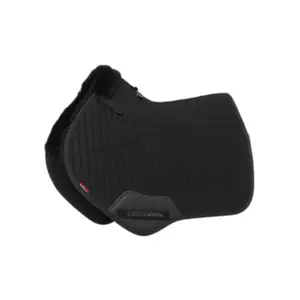
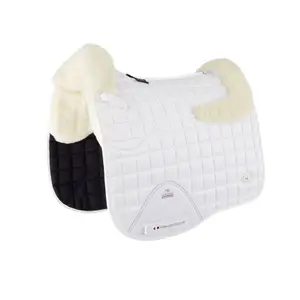
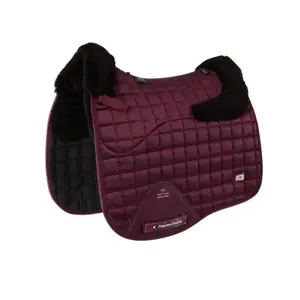
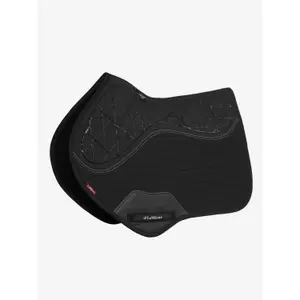
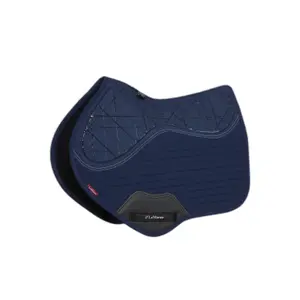
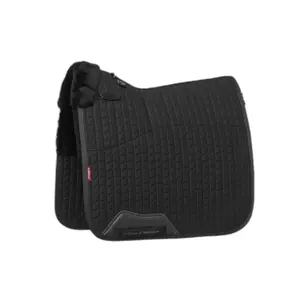
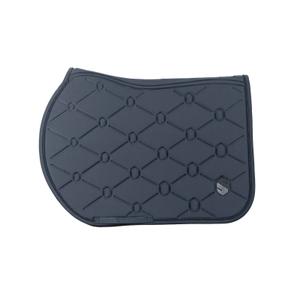
A pad is chosen primarily based on the saddle it accompanies. The dressing pad, like the LeMieux Soft Shell, the HKM Rosegold Glamour or the PS of Sweden Crystal, is long and straight to follow the vertical flaps of the dressage saddle without extending under the rider's leg. The show jumping pad, like the Kentucky Velvet or the BR Equitation June, is shorter and cut forward, in line with the forward flaps of a jumping saddle.
The all-purpose pad, like the BR Equitation Majeur, is suitable for versatile saddles and riders who alternate flatwork and jumping. In all cases, the pad extends a few centimetres beyond the saddle all around, without forming folds under the panels.
Western pads, endurance and materials: mesh, velvet, non-slip
The western saddle, heavy and wide, rests on a thick rectangular pad, like the Westride quilted Navajo, which distributes its weight over a large area of the back; it even comes in shetland size. The endurance pad, like the Burioni Tech Sympa, prioritises lightness and sweat wicking during hours of exertion.
The materials complete the picture. The airy mesh of the PS of Sweden Airflow allows air to circulate under the saddle, the non-slip underside of the LeMieux Soft Shell prevents the pad from sliding backwards, and the velvet of the Kentucky Velvet provides a neat finish for competition days. A pad is often washed since dried sweat irritates the skin on the back.
Gel, foam or sheepskin pad: what it's for
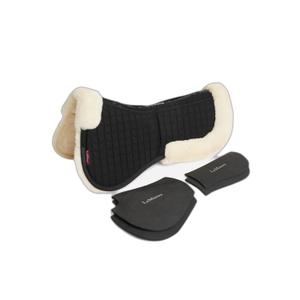
The pad is placed on the pad, under the saddle, to distribute pressure and absorb some of the shocks transmitted to the back. Gel models, like the BR Equitation Dri-Lex, contour the back and remain stable, the memory foam slowly returns to its original shape, and the natural sheepskin adds soft cushioning while allowing the skin to breathe. Some wedge pads help raise the front or back of a slightly unbalanced saddle.
The pad remains an aid: it does not correct a poorly fitted saddle, which should be checked by a saddler, especially when the horse's back changes with age or training.
The complete horse gear
Around the pad, the horse's gear is divided across several pages: covers for the stable and the paddock, saddles and girths that sit on top, bits and bridles for the head, halters and lunges for handling the horse on the ground, and protection gear for its legs.
New products and good deals
The new products showcase the latest collections, promotions highlight discounted items, and the clearance and sales feature end-of-line stocks. Items shipped within 24 hours are prepared and sent out in 24 hours.
Frequently asked questions
What size pad should I get for a pony or cob?
Pads come in pony, cob, and full sizes, sometimes shetland: choose one that extends a few centimetres beyond the saddle all around. If too big, the pad floats and overheats; if too small, it allows the leather to rub against the back.
How to place a pad without compressing the withers?
Place it slightly forward on the withers, then slide it back in the direction of the hair. Once the saddle is in place, lift the pad at the front of the saddle before girthing, so that it doesn’t press on the withers.
At what temperature should I wash a saddle pad?
Remove hairs with a brush, then machine wash the pad at thirty degrees in a large mesh bag, with a gentle detergent and no fabric softener. Let it air dry, flat or over a bar: dryer heat compresses the padding.
How many pads do I need for a horse?
Two or three pads allow for one to always be clean and dry while the others are drying. Competition riders often reserve one pad for events, white or in stable colours, to keep it looking pristine.
Is a pad necessary with a thick pad?
Not necessarily: a well-padded pad is sufficient for a horse with a healthy back ridden with an appropriately fitted saddle. The pad is justified for a sensitive back, a horse that has changed in muscle structure, or a saddle shared among multiple horses.






