
Saddles / Girths for the horse

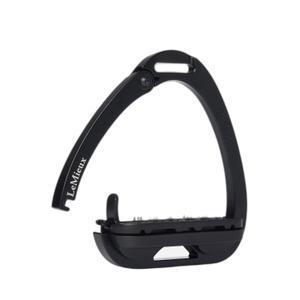

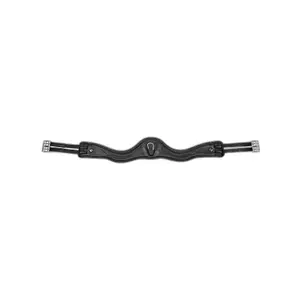
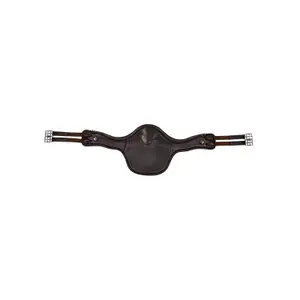
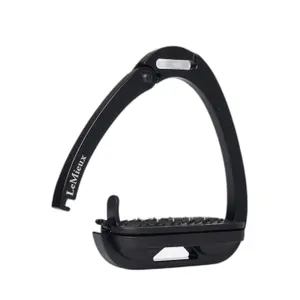
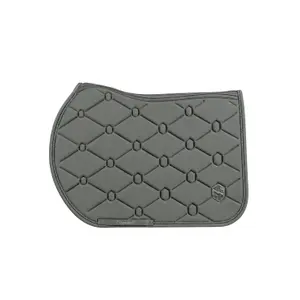
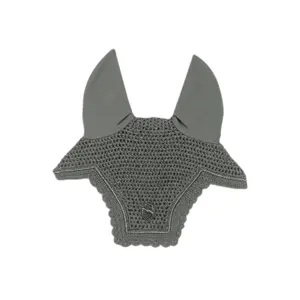
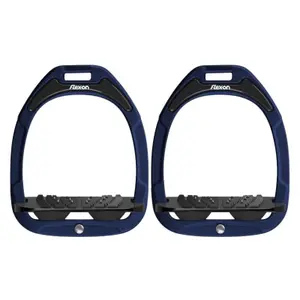
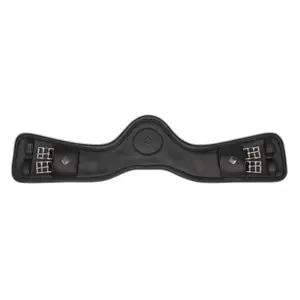
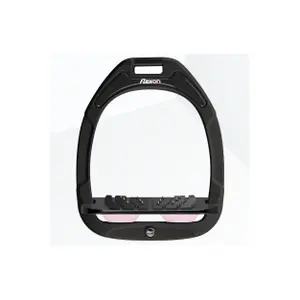
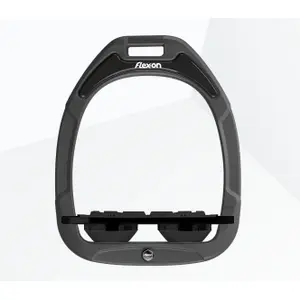
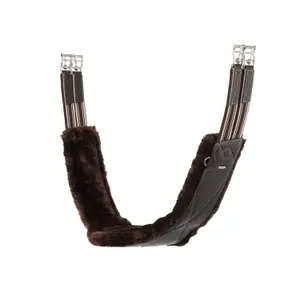
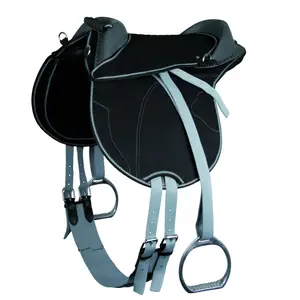
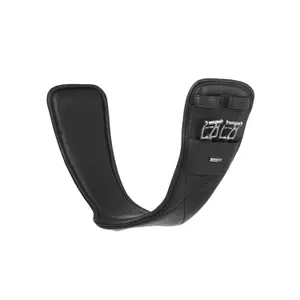
The Saddles / Girths page brings together all-purpose saddles, pony saddles, and saddles with interchangeable tree, long or dressage girths made of leather, mohair, neoprene, or sheepskin, western girths, back girths, and saddle covers, from Norton, HKM, Daslö, Pool's, Umbria Equitazione, BR Equitation, Horze, Lakota, or QHP.
Equipment that connects the rider to the horse, to be chosen with care.
Choosing a saddle: discipline, tree and size
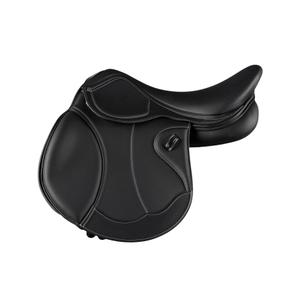
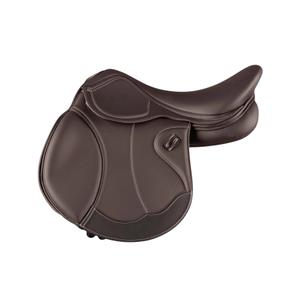
A saddle is chosen based on the discipline and, above all, the horse's back. The general-purpose saddle, like the Norton Progress made of synthetic material, is suitable for riders who alternate flat work and small jumps; lightweight and easy to maintain, it is often used by riding schools. Saddles with a changeable tree, like the Daslö in suede, allow for changing the gullet to adapt the width to the withers of a different horse or to the changes in its musculature.
For young riders, the pony saddle, like the HKM Starter, offers a shorter seat and flaps suitable for small legs. Seat size is measured in inches, typically from fifteen to ten-eight depending on the rider's build.
Girth with belly guard, dressage girth: shape and materials
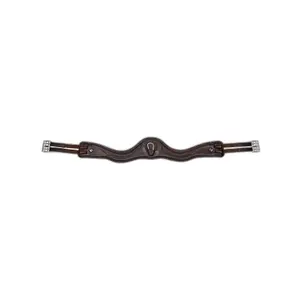
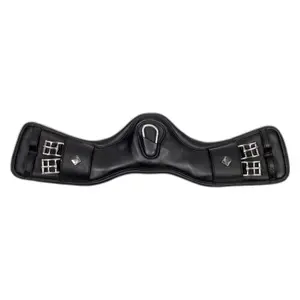
The belly guard girth, like the Norton Magnet, has a wide chest piece under the belly to protect it from the hooves of the front legs when the horse tucks its legs during a jump. The dressage girth, shorter in length, fastens to long billets under the flaps, leaving no thickness under the rider's leg; the Horsenjoy Equi-Memo and the Horze Harleigh in sheepskin are two examples.
The material affects comfort: the mohair from the Pool's allows the skin to breathe and reduces overheating, sheepskin is gentle on sensitive horses, while the neoprene of the Umbria Equitazione and the elastic leather of the HKM Anatomic move with the thoracic cage.
Billetts, western girth and saddle covers
The billetts, these leather straps stitched under the flap, bear all the tension of the girth: cracked leather or stretched holes require their replacement, and a replacement billet, like the one from Premiere, must be fitted by a saddler. In western riding, the girth is called cinch and is attached to the latigo by a knot or a buckle; the Lakota Western is an example, with its belly guard.
The saddle covers complete the set: the sheepskin version from Umbria Equitazione adds comfort to the seat, while the cover QHP super soft protects the leather from dust in the stable and during transport in a trailer.
The horse's equipment
The equipment is complemented with blankets, pads and shock absorbers, bits and bridle, headcollars and lunge lines, protection gear, all gathered on the horse page.
New arrivals and good deals
The new arrivals showcase the latest collections, promotions feature discounted items, and clearance and sales highlight end-of-line items. The items shipped within 24 hours are prepared and dispatched in 24 hours.
Frequently asked questions
How to measure the length of a girth?
With the saddle on the pad, measure the gap between the billets under the belly, at the level of the middle hole on each side. The girth should fasten at mid-height, leaving a few holes free on each side to tighten.
When to re-girth during a session?
Girth moderately at first, then tighten by one or two holes after a few minutes of walking, when the horse has relaxed its belly. Check again before trotting or jumping: a saddle that moves at the mounting block can cause a fall.
How to know if a saddle fits your horse's back?
With the rider in the saddle, several fingers should fit between the pommel and the withers, and the channel should not touch the spine. The saddle stays stable at a trot without tipping, and the horse's back shows neither broken hairs nor dry areas after work.
How to maintain a leather or mohair girth?
Brush off sweat after each session. Clean leather with glycerin soap and then nourish it with a balm to keep it supple; wash mohair in lukewarm water and air dry, away from sunlight. A clean girth irritates less the skin behind the elbows.
What is the difference between a general-purpose saddle and a jumping saddle?
The jumping saddle has very forward flaps and a flat seat that supports the rider in suspension during a jump. The general-purpose saddle, more versatile, has less advanced flaps and a slightly deeper seat, suitable for both flat work and small courses.






