
Women's running shoes


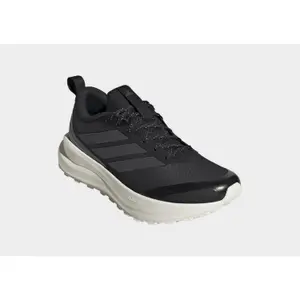
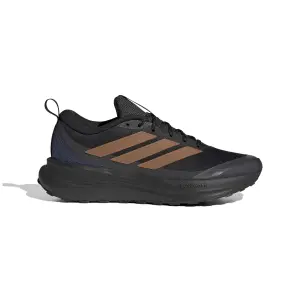
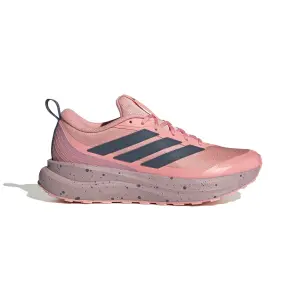

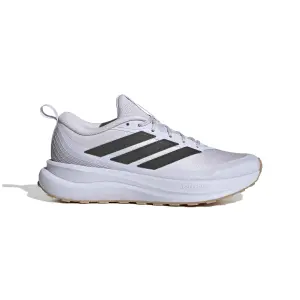


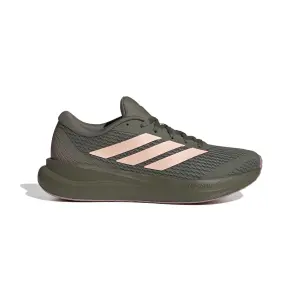


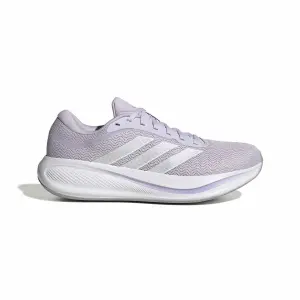


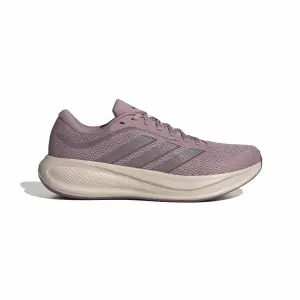
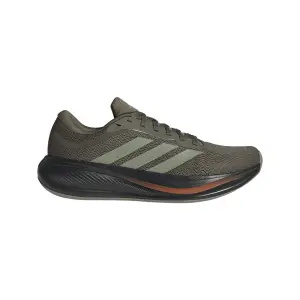


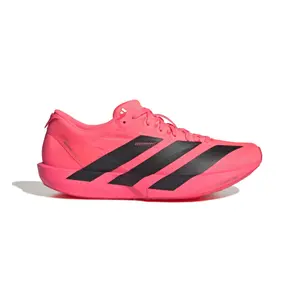


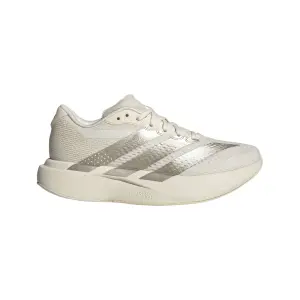

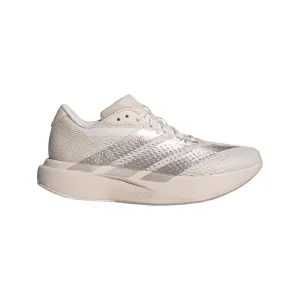


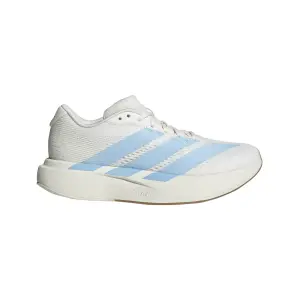
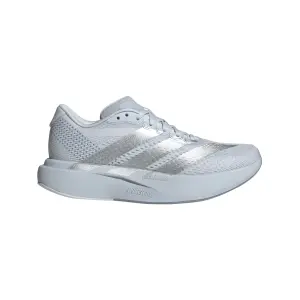
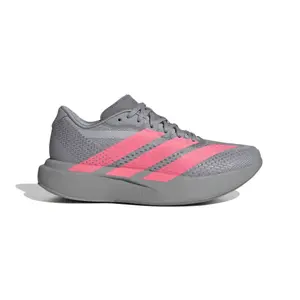


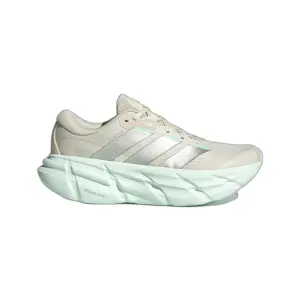
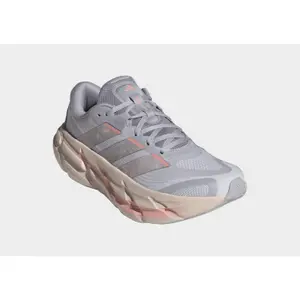
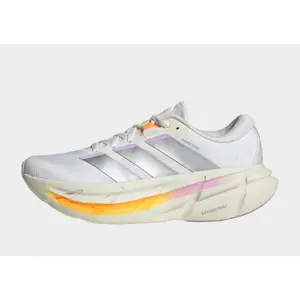
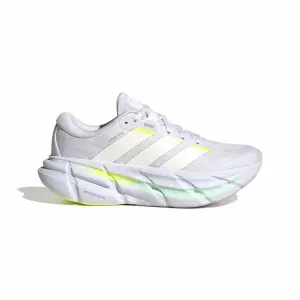
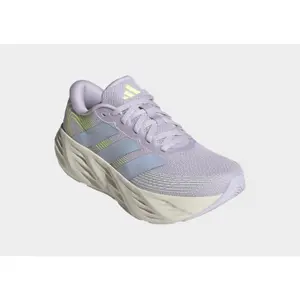
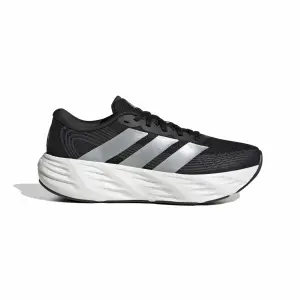
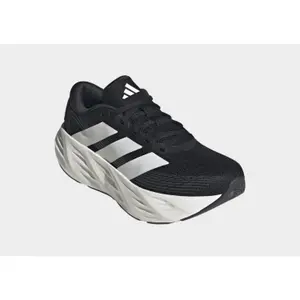
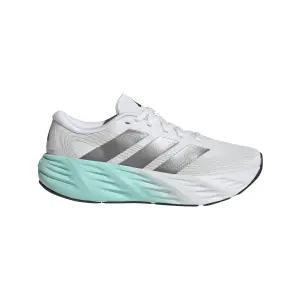
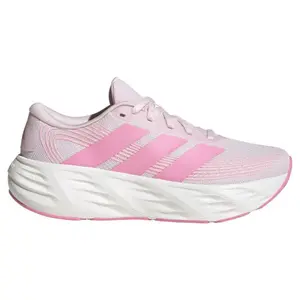
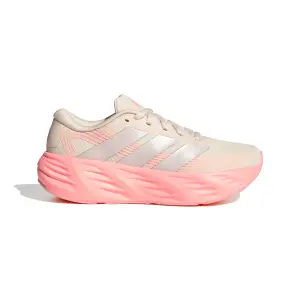
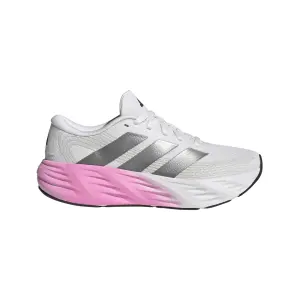
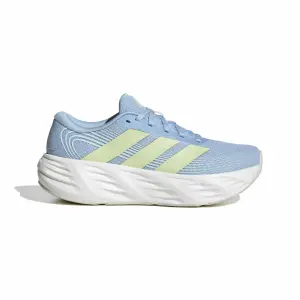
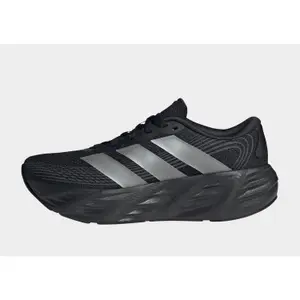
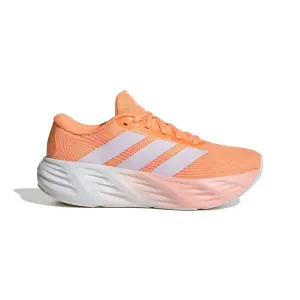
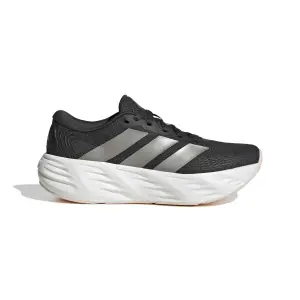
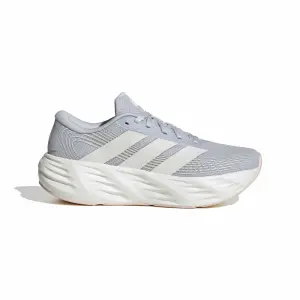
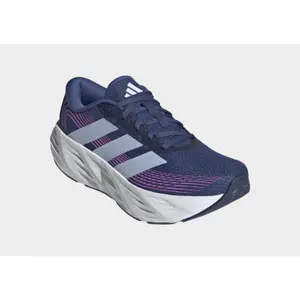
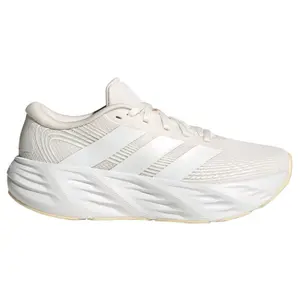


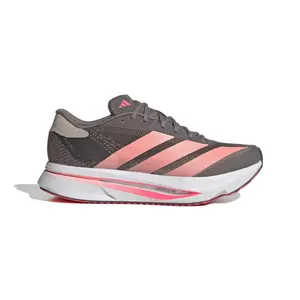

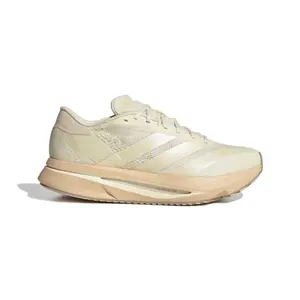


The Women's Running Shoes include road, trail and cross-country models from adidas, Asics, Puma, Nike, Craft or 361°, from recovery shoes to competition models.
A women's shoe is not just about color: the shape and design of the sole are often tailored.
A shape designed for the female foot
Brands don't just offer their models in smaller sizes. Women's running shoes are usually built on shapes with a narrower heel and less volume on the midfoot, to prevent the foot from floating at the back. The forefoot, however, has enough space for the toes to spread upon impact.
Some brands also adjust the firmness of the foam, as a lighter female runner compresses the sole less than a male runner of the same size. A unisex shoe can work well, but a woman with a slender heel often finds less precise support. Trying them on, with the heel snug at the back and the lacing tight, is still the best judge.
Dynamic cushioning or maximum comfort
Two cushioning philosophies coexist. The Asics Novablast illustrates the first: a thick, bouncy foam that gives a sense of dynamism with every stride, versatile between easy runs and faster sessions. The adidas Supernova and Hyperboost focus more on plush comfort, while the Nike Vomero, which is very thick, emphasises maximum cushioning for long runs.
For beginner or returning female runners, the adidas Runfalcon, Galaxy, Duramo, or Questar provide simple cushioning and good durability. The adidas Ultrarun extends this logic for larger volumes.
Plate shoes: who and when
Competition shoes with plates, like the adidas Adizero Adios Pro or the Puma Deviate Nitro, combine very responsive foam with a rigid plate that guides the foot’s movement. They improve running efficiency at fast paces, but strongly engage the calves and Achilles tendons, and their foams wear out more quickly. The Deviate Pure Nitro, without a plate, keeps the Nitro foam in a more forgiving construction for training.
The general rule applies to all: a shoe with a plate is reserved for races and key sessions, after a few adaptation runs, and the bulk of training should be done in a training shoe.
Road, path, and trail
Road models have a sole optimized for asphalt. Road and path versions, like ATR models, add shallow lugs for stable trails. Trail shoes, with their deep lugs and protections, take over as soon as the terrain becomes technical.
Typically, the size is chosen half a size to a size larger than the street shoe size, to leave a thumb's width in front of the longest toe, and fitting should be done at the end of the day, with running socks. A training shoe needs replacing on average between 600 and 800 kilometres.
All women's shoes
The selection is organised by terrain and by brand:
- Road and path, for asphalt, parks, and easy trails.
- Trail, for technical paths and mountains.
- adidas, from the Runfalcon to the Adizero Adios Pro.
- Mizuno, with its wavy plate soles.
- Under Armour, for versatile training models.
- Puma, featuring the Deviate Nitro and Deviate Pure Nitro.
- Asics, from the Novablast to the Superblast.
The men's shoes, the women's clothing, the men's clothing, the junior category, gear, and brands round out the collection on the running page.
News and good deals
The new arrivals showcase the latest versions, the promotions feature previous versions at reduced prices, and items shipped in 24h are prepared and dispatched within 24 hours. The good deals, clearance, sales, and the Black Friday have their running page, and the year follows a steady order: Black Friday, year-end holidays, winter sales, then French Days in spring.
Frequently asked questions
Can a woman run in a unisex running shoe?
Yes, a unisex shoe can be suitable. However, women's models are built on a narrower heel and less volume in the midfoot so that the foot does not float at the back. A woman with a slender heel gains more precise support.
Which shoe should I choose to start or return to running?
A simple and durable training shoe is sufficient, like the adidas Runfalcon, Galaxy, Duramo, or Questar, with easy cushioning. Plate models are not suitable at this stage as they put a lot of strain on the calves and Achilles tendons.
Novablast or Vomero: which cushioning for long runs?
The Asics Novablast offers thick, bouncy foam, versatile between easy runs and faster sessions. The Nike Vomero, which is very thick, focuses on maximum cushioning for long, easy-paced runs. The adidas Supernova and Hyperboost provide plush comfort.
When to reserve a plate shoe like the Adizero Adios Pro?
For races and key sessions after a few adaptation runs. Plate shoes, like the adidas Adizero Adios Pro or the Puma Deviate Nitro, improve running efficiency at fast paces, but their foam wears out more quickly than that of a training model.
How do I choose the size of a women's running shoe?
A half size to a full size larger than the street shoe size leaves enough room in front of the longest toe. The heel, which is narrower in women's shapes, should stay snug without rubbing. Try them on at the end of the day with your running socks.






