
Running Brands


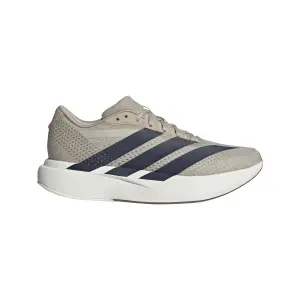
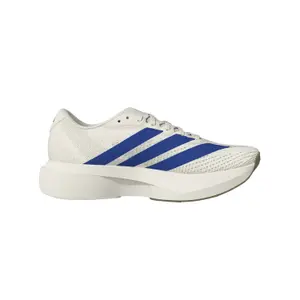


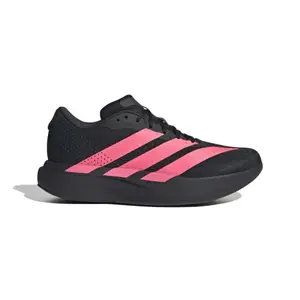
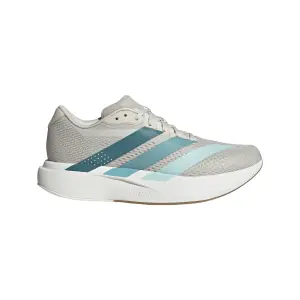
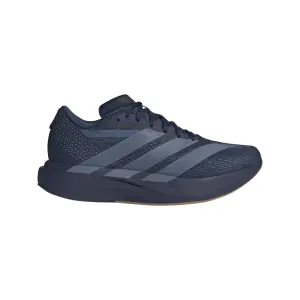


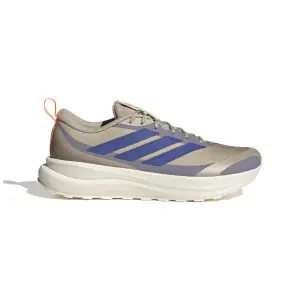


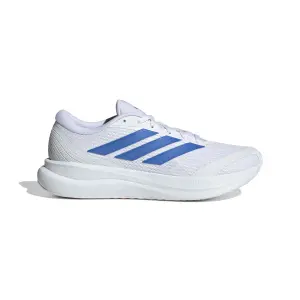
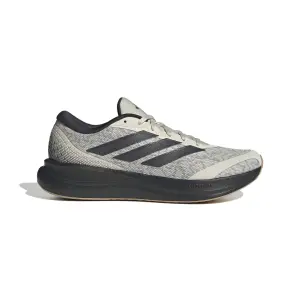


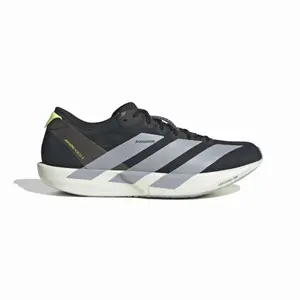
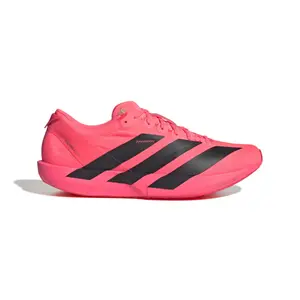
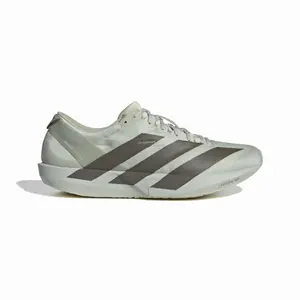

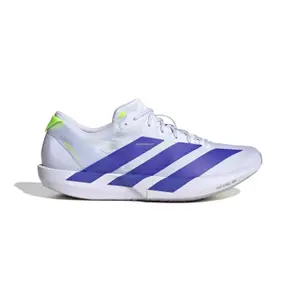


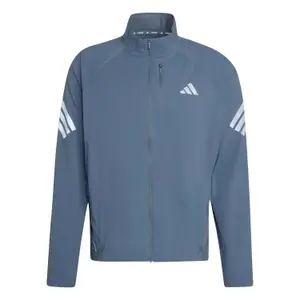

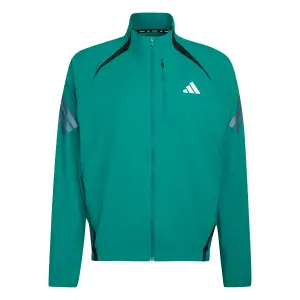


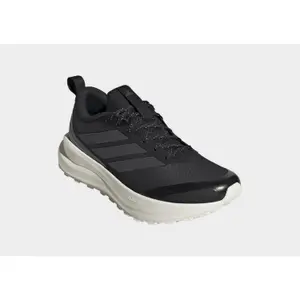
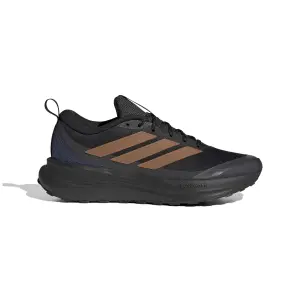
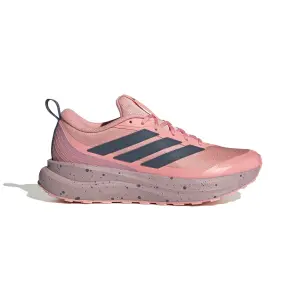

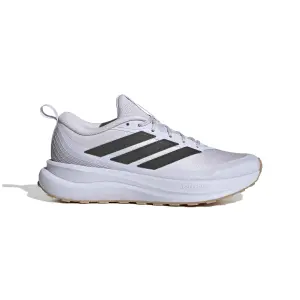


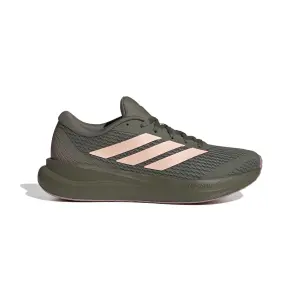


The Brands page for running brings together the major names in running shoes: Asics, Nike, adidas, New Balance, Mizuno, Puma, and Reebok for shoes, Gore, Odlo, and Craft for clothing, Garmin for GPS watches, and specialists like Topo Athletic, 361° or Noene. Enough to compare technologies, fits, and specialties before making your choice.
Each brand has its own fit, cushioning, and philosophy.
Gel, Wave, Nitro : the cushioning technologies of each brand
Each major brand has built its reputation on a cushioning technology. Asics launched its gel in 1986, housed in the sole to absorb shocks upon impact, while Mizuno introduced its Wave plate in 1997, a wavy blade that distributes shocks and stabilises the foot. Puma relies on Nitro foam, nitrogen-infused for lightweight performance, while Nike and adidas use very responsive foams, paired with carbon plates in their competition models, like the Adizero Adios Pro, to enhance propulsion. New Balance, founded in Boston in 1906 as a maker of arch support insoles, offers numerous models in various widths.
By brand
The running brands:
Choosing your brand
The fit matters more than the logo: some brands are narrow, others wide, and the shape of your foot makes a difference. Try them on at the end of the day, with your running socks, and leave half a centimetre to a centimetre in front of your big toe. Running also caters to different audiences and types: men's shoes, women's shoes, men's clothing, women's clothing, junior, equipment.
Great running deals
The new arrivals showcase the latest releases, promotions feature discounted items, and items shipped within 24 hours are prepared and dispatched in 24 hours. The great deals, clearance, sales and the Black Friday have their own running pages.
Watches, socks and insoles: the accessory brands
Around the shoe, other brands have specialised. Garmin, with its Forerunner watches for the road and Instinct, more robust, for trail running, measure pace, distance via GPS and heart rate, and offer training plans. The socks Sums made of merino wool regulate temperature and limit odour on long runs. The insoles Noene, very thin, slip into the shoe to absorb some of the vibrations with each stride. In textiles, the Swedish brand Craft, founded in 1977 around an undershirt that moves sweat away from the skin, developed the principle of three layers.
Topo Athletic, 361°, Reebok : niche brands
Alongside the leaders, several brands take a unique approach. Topo Athletic, founded in 2013 by Tony Post known for his work with Vibram on toe shoes, designs models with a wider toe box that allows toes to splay, featuring a low drop that promotes a midfoot strike. 361°, established in China in 2003, entered Europe in 2015 with its road and trail shoes. Skechers, with its Max Cushioning range, relies on very thick soles for comfort during long, slow outings. Reebok, finally, draws its origins from running spikes stitched by Joseph William Foster in Bolton, England, at the end of the nineteenth century.
Frequently asked questions
What is the best running brand?
There isn't a single best brand: the right shoe is one that fits your foot shape and cushioning needs. Trying on several brands before buying remains the most reliable test.
Which brands are good for trail running?
The major road brands almost all offer a trail range, featuring more pronounced lugs, a reinforced upper, and sometimes a plate that protects against stones. Asics, adidas or Puma offer options for trails.
Is a carbon plate shoe worth it for a casual runner?
It makes sense for competition and fast paces, where the plate and responsive foam improve stride efficiency. For slow runs and daily training, a cushioned and stable model is more comfortable and durable.
Which brand for a running jacket in the rain?
Gore, from the company that created the Gore-Tex membrane, and Odlo, founded in Norway, are references for running jackets. A waterproof jacket must also be breathable, otherwise, you'll end up soaked from the inside.
Are sizes for Nike and adidas the same?
Not always: there are differences from one brand to another and sometimes from one model to another, with some runners taking half a size larger depending on the shape. Measure your foot in centimetres and compare it to the sizing guides of each manufacturer.






