
Nike, a running story

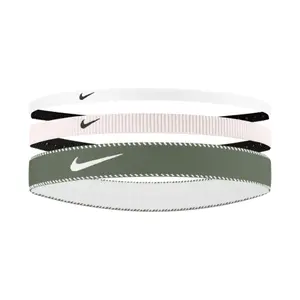

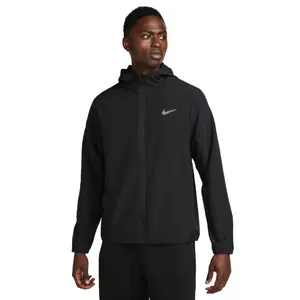

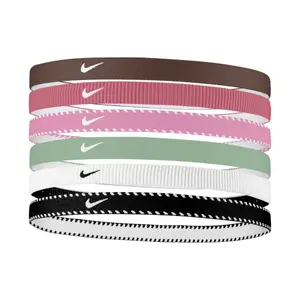
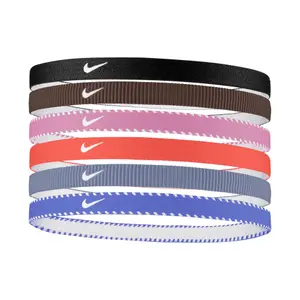

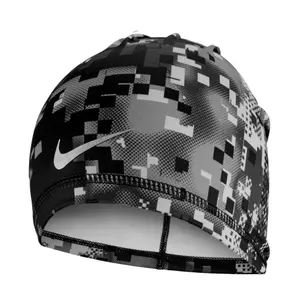
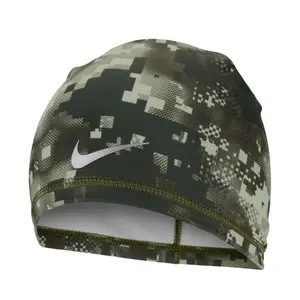
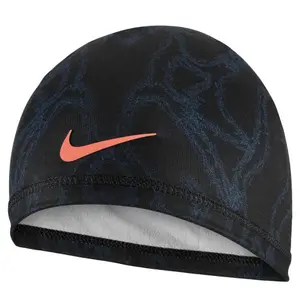
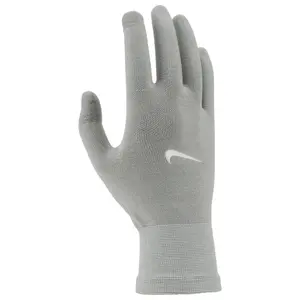

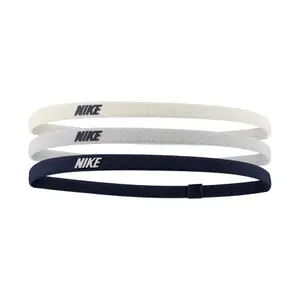

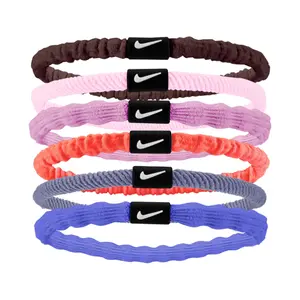

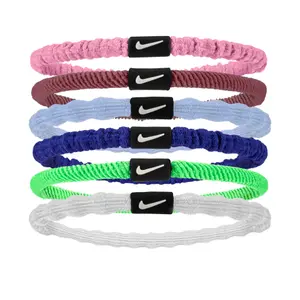


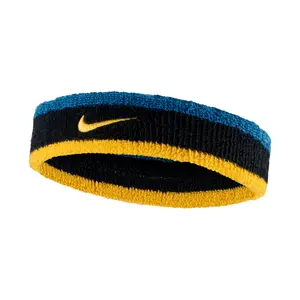
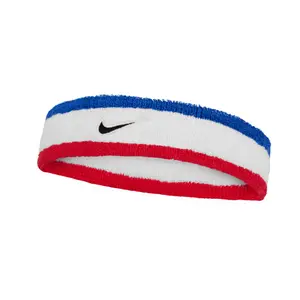
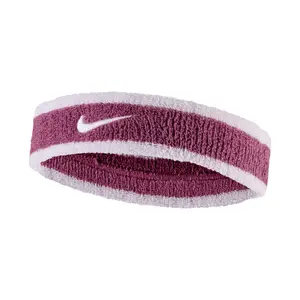
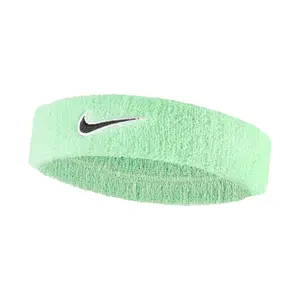
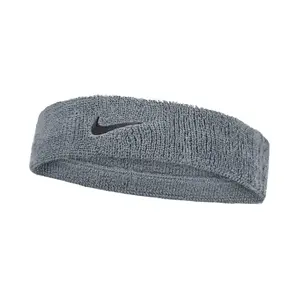
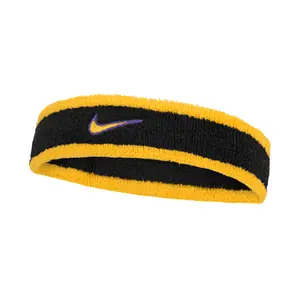
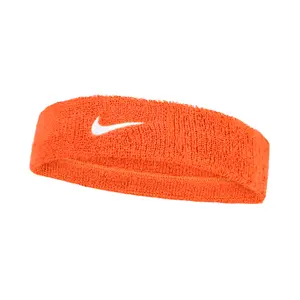
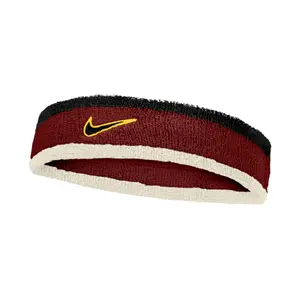
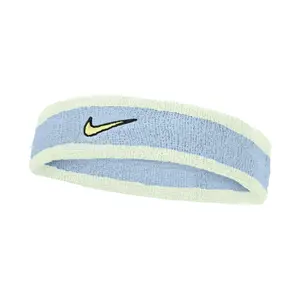






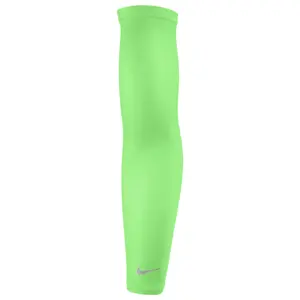

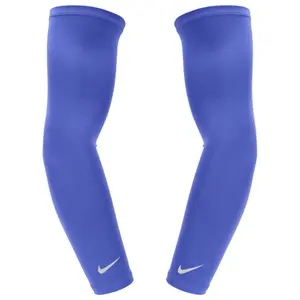

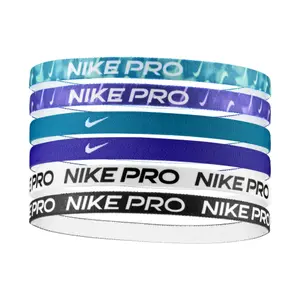
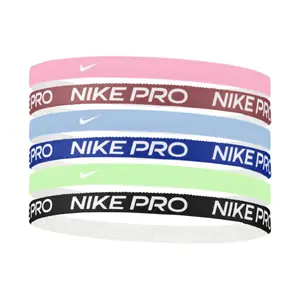
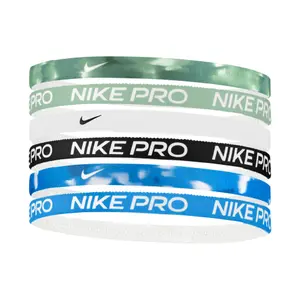
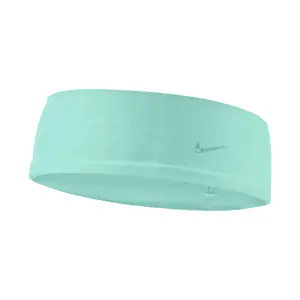


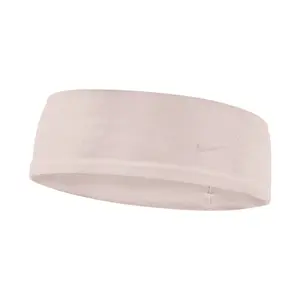
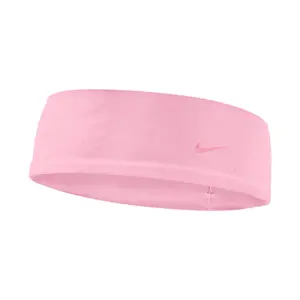
The Nike running page brings together the running shoes and clothing from the American brand, from the Vomero, which is well-cushioned for long runs, to training and competition models. Born on the track at the University of Oregon, Nike designs its shoes for everyone, from the beginner runner to the marathoner aiming for a personal best.
A brand born on the track, at the service of runners.
From Blue Ribbon Sports to Nike: a story of runners
The adventure begins in 1964, when Phil Knight, a former middle-distance runner from the University of Oregon, and his coach Bill Bowerman founded Blue Ribbon Sports to import Japanese shoes. The Nike brand, named after the Greek goddess of Victory, appeared in 1971. Bowerman was then looking for a light, grippy sole: by pouring rubber into the family waffle maker, he developed the waffle sole, which featured on the Waffle Trainer in 1974. This spirit of experimentation, born on the track, remains the hallmark of Nike.
Other running brands
Running is also classified by brand:
All brands are gathered on the brands page.
Pegasus, Vomero, Vaporfly: three uses
Launched in 1983, the Pegasus is the all-purpose shoe: cushioned enough for endurance, and dynamic enough for interval training. The Vomero, which appeared in 2006, adds a thick layer of foam to protect the legs on long runs and recovery jogs. The Vaporfly, with its very light ZoomX foam and carbon-fibre plate, changed road running in the late 2010s and paved the way for competition shoes with plates. These three lines cover daily training, comfort, and performance.
What size to choose for Nike running?
Nike running shoes are known to fit snug and a bit short. Many runners go for a half size up from their normal size, especially for long runs where the foot swells. The most reliable method is to measure your foot in centimetres, standing up and at the end of the day, then compare with the brand’s guide while leaving about a centimetre in front of the big toe. For clothing, the Nike running fits, which are often snug, are chosen based on chest and waist measurements; if you're between two sizes, go for the larger one for a jacket or windbreaker.
Good deals
Good deals can also be found in the good plans, promotions, clearance, sales, Black Friday. The new arrivals showcase the latest collections, and items shipped within 24 hours are prepared and sent out in 24 hours. The highlights of the year follow a stable order: Black Friday at the end of autumn, the holiday season, winter sales, the French Days in spring, then summer sales and back to school.
Frequently asked questions
Who designed the Swoosh logo for Nike?
The Swoosh was created by Carolyn Davidson, a graphic design student in Portland, who designed it in 1971. Its curve suggests movement and speed, and it now adorns all the brand's running shoes.
How to wash a Nike running jacket?
Close the zips, turn the jacket inside out and machine wash at thirty degrees on a delicate cycle, using little detergent and no fabric softener. It should air dry; tumble dryers and irons damage the membranes and reflective prints.
How to tighten Nike running shoes?
Use the last eyelet, often left free, to make a locking loop: the heel stays secured without compressing the top of the foot. A gradual tightening, softer towards the forefoot, prevents numbness towards the end of the run.
When should you replace your running shoes?
The foam loses its cushioning ability over the kilometers, generally between six hundred and a thousand kilometers depending on the model and the runner’s weight. Unusual pain or a very worn sole on one side are also warning signs.
Is a carbon plate shoe suitable for a beginner?
It is designed for competition and fast paces, where its propulsive effect is felt. At a slow pace, it offers little and puts more strain on the calves and Achilles tendons: a beginner progresses better with a versatile training shoe.






