
Reebok, born on the track


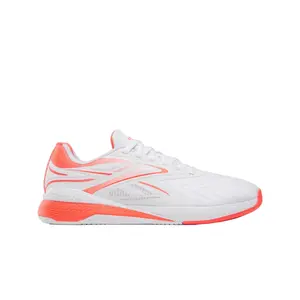

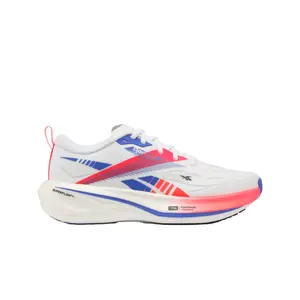
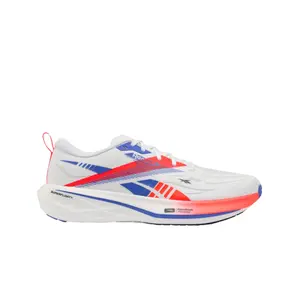
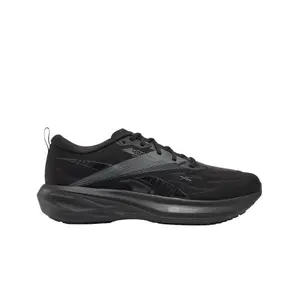
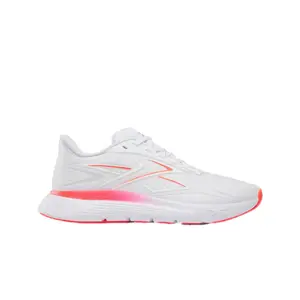


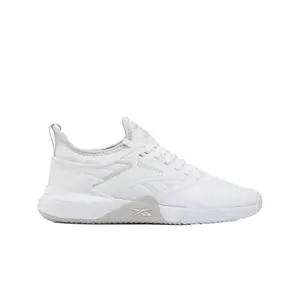
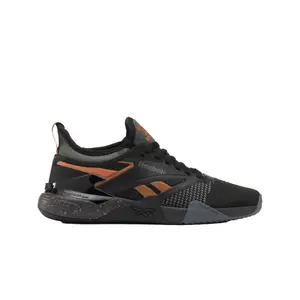
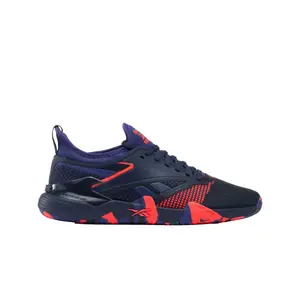
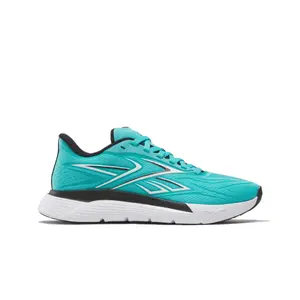
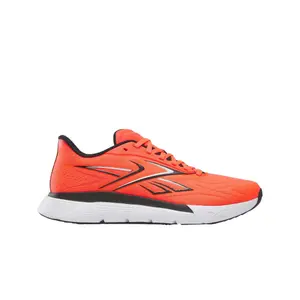


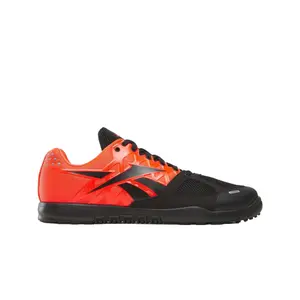
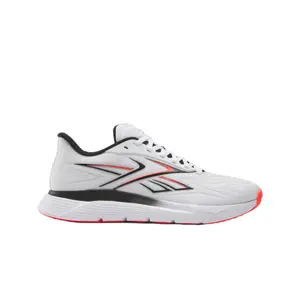
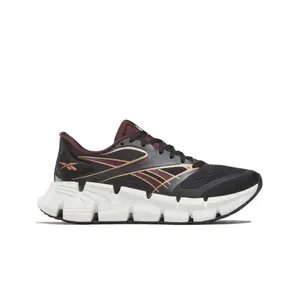
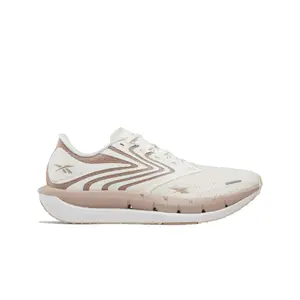
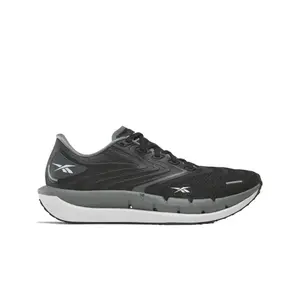

The Reebok running page is dedicated to the brand's running shoes that originated in Bolton, England, and are the heirs of the spikes made by J.W. Foster for sprinters. Over a century of running on the track and then on the road, now extended by Floatride foams, suitable for daily training as well as for fast sessions.
Over a century of running, from leather spikes to modern foam.
From Bolton Spikes to the Paris Games
It all started in 1895 in Bolton, in the north of England: at the age of fourteen, Joseph William Foster made some of the very first spiked shoes for running in his bedroom above his family’s sweet shop. His company, J.W. Foster and Sons, supplies the best British athletes. Harold Abrahams, crowned Olympic champion of the hundred metres at the 1924 Paris Games, runs in his spikes, a victory later told in the film Chariots of Fire. The Bolton workshop remains a long-standing reference for athletic footwear, tailored and adjusted for each runner.
The Reebok Name and Floatride Foam
In 1958, two grandsons of the founder, Joe and Jeff Foster, created a new brand in Bolton and named it Reebok, after the name of a fast African antelope found in a dictionary that Joe had won as a child in a race. The brand then went global, bought by adidas in 2006 and then sold to American group Authentic Brands Group in 2022. On the running side, Reebok launched the Floatride foam in 2017, pressure-moulded to achieve a regular cell structure, followed by the Floatride Energy version, designed for everyday training models.
Choosing Your Pair of Reebok Based on Your Activity
The choice starts with the usage: for logging miles in training runs, a cushioned and stable shoe with a wide sole is preferred; for intervals and road races, a lighter and more dynamic pair. Reebok tends to fit true to size: keep half to a centimetre of space in front of the big toe and try them preferably at the end of the day, when the foot has swollen. Running shoes should typically be replaced every six hundred to eight hundred kilometres, or as soon as the foam loses its bounce and the sole becomes worn under the forefoot.
The Other Brands
The other brands, adidas, Asics, Nike, New Balance, Puma, Mizuno, Gore, Odlo, are all gathered on the brands page.
New Arrivals and Good Deals
The new arrivals showcase the latest releases, the deals feature items at discounted prices, and the 24-hour shipping items are prepared and dispatched within 24 hours. The good deals, clearance, sales, and the Black Friday have their own running page.
Frequently Asked Questions
Where does the Reebok brand come from?
Reebok was born in Bolton, England. It descends from J.W. Foster and Sons, a manufacturer of athletic spikes since the late nineteenth century, whose two grandsons founded the brand in 1958.
Are Reebok Classics running shoes?
Originally, yes: the Classic Leather was released in the early 1980s as a soft leather running shoe. Its comfort later led to it being adopted in the city, where it became an everyday sneaker.
Which Reebok shoe is best for starting running?
A versatile model, well-cushioned and designed for the road, is suitable for initial outings. Make sure the heel stays secured and that there’s room in the forefoot, as the foot swells during exercise.
How to care for Reebok running shoes?
After a run in the rain, remove the insoles and stuff the shoes with newspaper to let them dry out. Avoid using a washing machine and radiator: they detach the soles and damage the foam.
Does Reebok offer running clothing?
Yes, the brand also has t-shirts, shorts, and technical bras made from breathable fabric, designed to wick away sweat. Their flat seams and fitted cuts minimise chafing on long runs.






