
Men's adidas running shoes


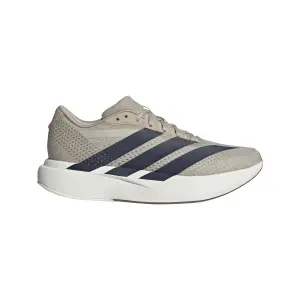
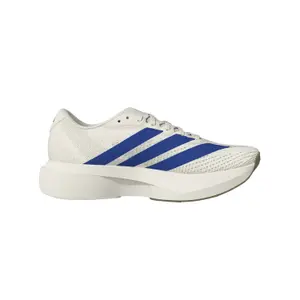


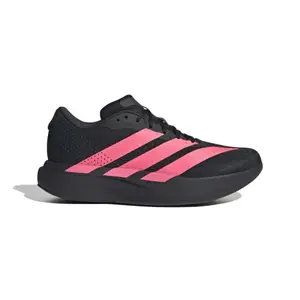
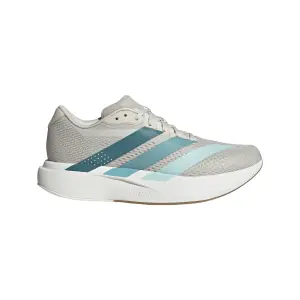
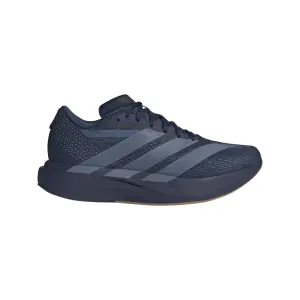


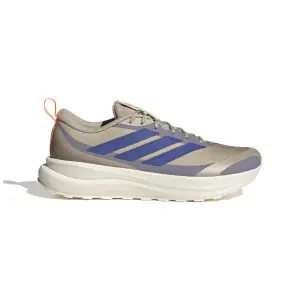


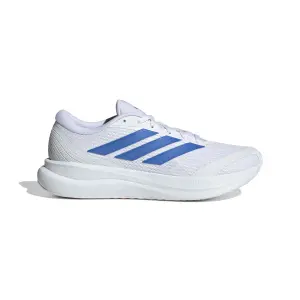
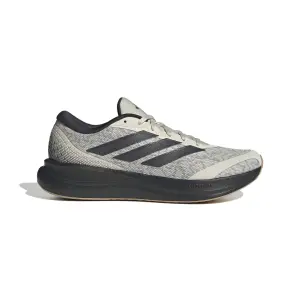

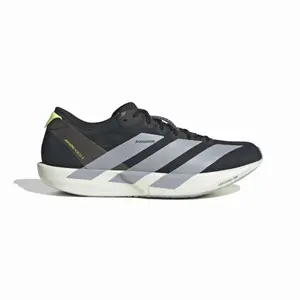
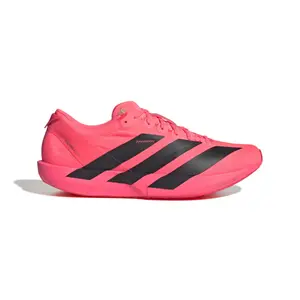
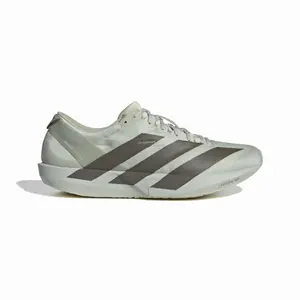

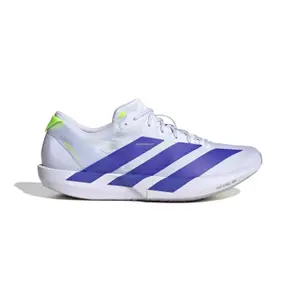


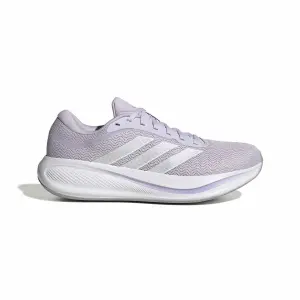


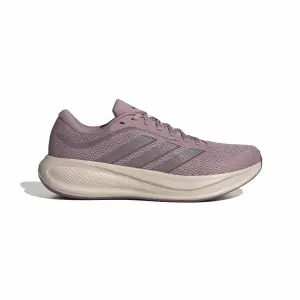
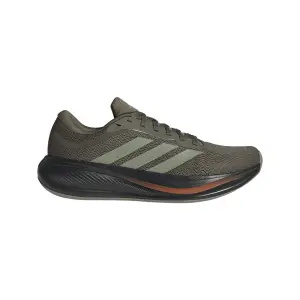

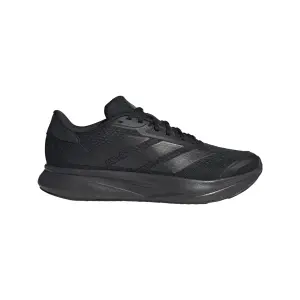
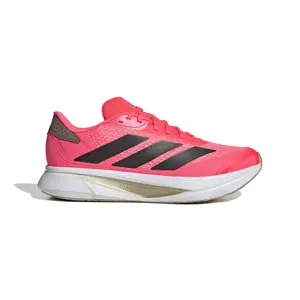


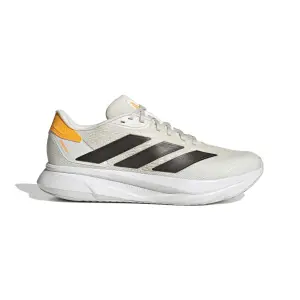


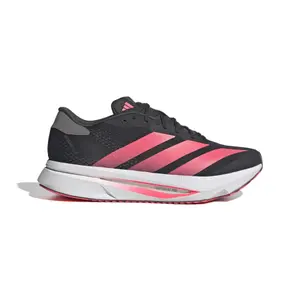


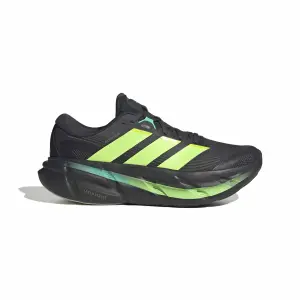

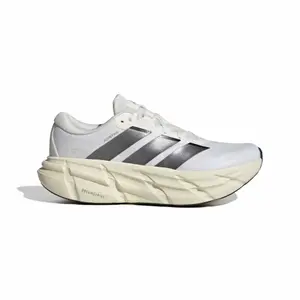
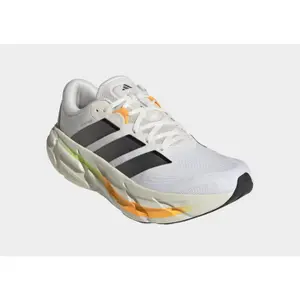
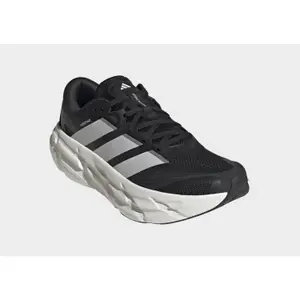
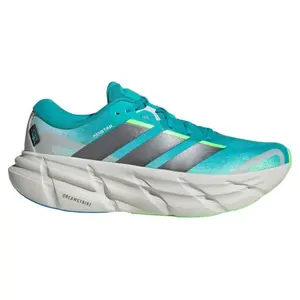
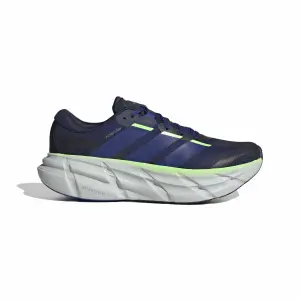
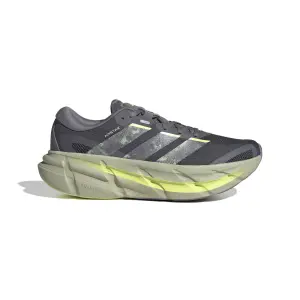
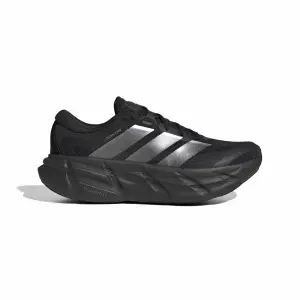

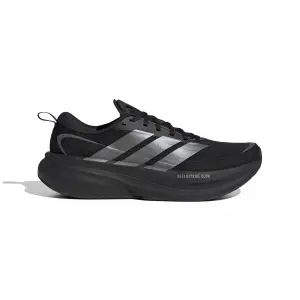
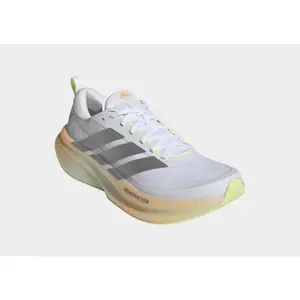
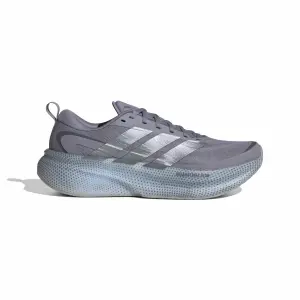
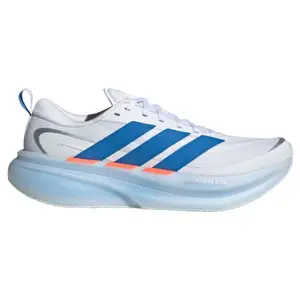
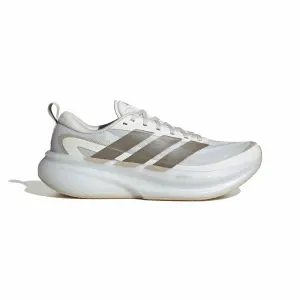


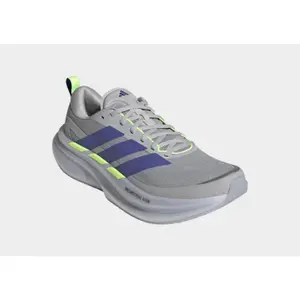
The adidas men's running shoes page brings together models from the brand with the three stripes designed for the road, from versatile training shoes to competition shoes. The Adizero SL is a perfect example: a Lightstrike Pro foam, without a plate, to run fast during training without sacrificing comfort on easy runs.
Three main categories, depending on the pace and distance.
Adizero SL: the fast shoe for everyday
The Adizero SL brings running shoe technology into a training pair. Its sole combines the brand's lightest and most responsive foam, Lightstrike Pro, with a firmer Lightstrike foam that stabilizes the whole and extends its lifespan. Without plates or stiff rods, it remains flexible and natural: it is suitable for a gentle jog as well as for interval training or a ten-kilometre run. Its breathable mesh upper and Continental rubber outsole, which grips on wet roads, complete a shoe designed for the runner who wants just one dynamic pair.
Boost, Lightstrike Pro, and EnergyRods: adidas' technologies
Three innovations structure adidas' running range. The Boost foam, developed with chemist BASF and launched in 2013, opened the era of high bounce soles with its thousands of small expanded beads. The Lightstrike Pro, introduced in 2020 on the Adizero Adios Pro, is an even lighter foam, initially reserved for competition and then extended to training models. The EnergyRods, five carbon-infused rods set in the sole of the Adios Pro, mimic the arrangement of the metatarsal bones to stiffen the forefoot and maintain running economy until the end of the race.
Choosing your adidas shoe by pace and distance
For a runner, the choice follows the goal. To log miles at a moderate pace, the Supernova, with its Dreamstrike+ foam combining Boost's cushioning with Lightstrike Pro's lightness, handles long runs. To vary paces, the Adizero SL or the Adizero Evo SL, entirely made of Lightstrike Pro, provide a solid bounce without plates. On race day, from half-marathons to marathons, the Adizero Adios Pro embodies all the brand's technology. A regular runner often alternates between two pairs, one for endurance and the other for speed, allowing the foam to regain its shape between runs.
Other men's shoes
Other brands and terrains are gathered in the pages road and path, trail, Mizuno, Under Armour, Puma, Asics, on the page men's shoes.
New arrivals and good deals
The new arrivals showcase the latest releases, the discounts show previous versions at reduced prices, and items shipped within 24h are prepared and sent within 24 hours. The good deals, clearance, sales, and Black Friday have their own running page.
Frequently asked questions
Do adidas running shoes fit true to size?
They generally fit your usual size. Try them on at the end of the day, with your running socks, and leave about a thumb's width between your big toe and the front of the shoe.
Do you need a carbon plate shoe to run a marathon?
No, it mainly helps runners aiming for a fast time. For a first marathon, a cushioned and stable shoe, well broken in during training, is gentler on the calves and the Achilles tendon.
When should you replace your running shoes?
Most pairs last between six hundred and a thousand kilometres depending on body type and terrain. A compressed foam, a smooth worn sole, or new knee pains indicate it's time for a change.
Are adidas shoes suitable for heavier runners?
Yes, by choosing the most cushioned and stable models, like the Supernova, rather than very light competition shoes. A thick sole and wide base absorb impacts better.
Can you run on trails with the Adizero SL?
On stabilized and dry trails, yes, thanks to the Continental rubber that grips well. For mud, roots, or rocks, a trail shoe with deep lugs and a reinforced upper remains safer.






